
Table of Contents
- Understanding Natural Anxiety Relief Options
- Herbal Supplements for Anxiety: What Works and What to Watch
- Lifestyle Changes for Anxiety Management: A Holistic Approach
- Chiropractic Care for Nervous System Regulation
- Mindfulness, Meditation, and Somatic Experiencing
- Building Your Implementation Roadmap
- When to Seek Professional Medical Help
- Frequently Asked Questions
Last Updated: September 27, 2026
Understanding Natural Anxiety Relief Options
Natural alternatives to prescription anxiety medication are non-pharmaceutical approaches, herbal supplements, lifestyle changes, mind-body practices, and nervous system therapies, that aim to reduce anxiety symptoms with fewer side effects. This guide from Holistic & Wellness Medicine sorts the evidence into tiers, flags the safety risks most articles skip, and gives you a roadmap.
Evidence-Based Efficacy Tiers for Natural Remedies
Natural remedies fall into three tiers by clinical evidence. Tier 1 has solid research backing: cognitive behavioral therapy, mindfulness-based stress reduction, and structured breathing protocols. Tier 2 includes herbs with moderate but mixed evidence, such as kava and valerian root. Tier 3 covers popular remedies with limited support, like lavender aromatherapy for diagnosed anxiety disorders. Knowing the tier sets realistic expectations.
Herbal Supplements for Anxiety: What Works and What to Watch
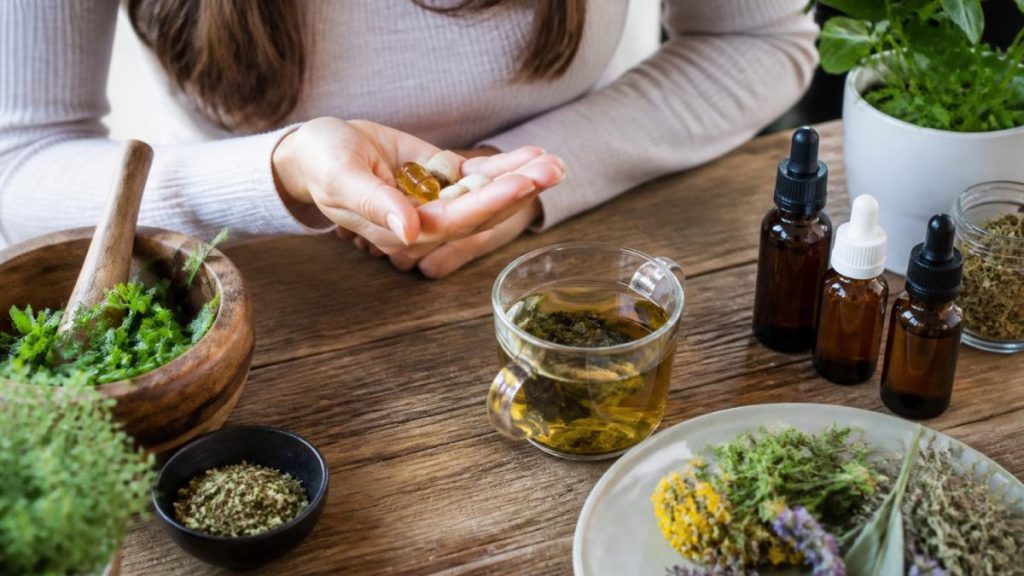
Herbal supplements for anxiety range from well-studied options like kava to milder nervine herbs such as chamomile. They can support symptom management, but they are not interchangeable with prescription treatment, or with each other. They differ in mechanism, onset, dose, and how each behaves alongside a prescription.
Common Herbs and Their Anxiolytic Properties
Each herb works through a different pathway, which determines what it helps with and what it collides with:
- Chamomile: Contains apigenin, a flavonoid that binds to benzodiazepine-adjacent sites on GABA-A receptors. Gentle onset (30-60 minutes). Best for mild, situational anxiety and evening wind-down; effects are modest.
- Valerian root: A mild sedative, likely via GABA reuptake modulation and valerenic acid. Slow onset, some need 1-2 weeks of consistent use. Best for sleep-onset difficulty; daytime drowsiness is the most common complaint.
- Kava kava: Contains kavalactones that modulate GABA-A receptors more directly than chamomile or valerian. Fast onset (30-60 minutes), often used for occasional social stress. It carries the most serious safety profile here, see the interaction table below.
- Lemon balm: A gentler mint-family nervine, often combined with chamomile or valerian. Evidence is modest and mostly short-term.
- Passionflower: Traditionally used for restlessness and mild anxiety; small trials suggest it helps pre-procedure or situational nervousness.
- Magnesium glycinate: A mineral (not an herb) supporting GABA signaling and muscle relaxation. The glycinate form absorbs better and is less likely to cause the digestive upset magnesium oxide can trigger. Helps most when intake is low.
- Vitamin B6: Supports serotonin and GABA synthesis, but only helps if you are deficient. High doses over long periods can cause nerve symptoms.
| Remedy | Evidence Tier | Typical Onset | Best For | Main Watch-Out |
|---|---|---|---|---|
| Chamomile tea | Tier 2 | 30-60 min | Mild, situational anxiety | Mild effects; rare allergy in ragweed-sensitive people |
| Valerian root | Tier 2 | 1-2 weeks | Sleep-related anxiety | Daytime drowsiness; additive with sedatives |
| Kava kava | Tier 2 | 30-60 min | Occasional social stress | Liver injury risk; additive with alcohol and sedatives |
| Lemon balm | Tier 3 | 30-60 min | Mild restlessness | Limited clinical evidence |
| Passionflower | Tier 3 | Gradual | Situational nervousness | Limited clinical evidence |
| Magnesium glycinate | Tier 2 | Days to weeks | General stress and tension | Digestive upset at high doses |
| Vitamin B6 | Tier 2 (if deficient) | Weeks | Deficiency-related anxiety | Nerve symptoms at high doses over time |
| Lavender aromatherapy | Tier 3 | Minutes (calming environment) | Calming environment | Limited clinical evidence for diagnosed anxiety disorders |
Drug-Supplement Interaction Reference: The Step Most People Skip
Most articles warn vaguely that “herbs can interact with medications.” That is not useful when you are holding a prescription bottle. The table below maps common prescription anxiety medication classes to the natural remedies people most often stack with them, a starting point for a pharmacist or prescriber conversation, not a substitute for one.
| Prescription Class | Examples | Interacts With | What Happens |
|---|---|---|---|
| Benzodiazepines | alprazolam, lorazepam, clonazepam | Kava, valerian, chamomile (high dose), passionflower | Additive sedation; slowed breathing risk at high combined doses |
| SSRIs / SNRIs | sertraline, escitalopram, venlafaxine | St. John’s wort | Reduces antidepressant blood levels; can trigger serotonin-related effects |
| Buspirone | buspirone | St. John’s wort | May reduce buspirone effectiveness |
| Beta blockers | propranolol, atenolol | Magnesium (high dose), kava | Additive blood pressure and heart-rate lowering |
| Sleep aids (Z-drugs) | zolpidem, eszopiclone | Valerian, kava, chamomile | Additive sedation; next-day grogginess |
| Anticoagulants | warfarin, apixaban | Chamomile, ginkgo, garlic | Altered bleeding risk |
| Thyroid medication | levothyroxine | Magnesium, calcium, iron | Reduced absorption if taken too close together |
| Liver-metabolized drugs (many) | varies | Kava, St. John’s wort | Increased liver strain or altered drug clearance |
Three rules follow from that table:
- St. John’s wort is the highest-risk herb here because it induces liver enzymes that clear many prescription drugs faster, quietly reducing their effectiveness. It is popular and is excluded from the herb list above for that reason.
- Kava is the second-highest-risk herb because of documented liver injury, especially with alcohol, sedatives, or other liver-metabolized medications.
- Timing matters for minerals. Magnesium, calcium, and iron should be separated from thyroid medication by at least four hours.
Never combine kava with alcohol, sedatives, or liver-metabolized prescriptions without talking to a clinician first. The consequence is not just drowsiness; it is potential liver strain that builds silently. Stop kava and call a provider if you notice yellowing of the eyes or skin, dark urine, or unexplained fatigue.
Bring this table to your pharmacist. Ask specifically: “Does this herb change how my prescription is metabolized, or add to its sedative effect?” That one question catches most of the risk.
Lifestyle Changes for Anxiety Management: A Holistic Approach
Lifestyle changes for anxiety management address the daily inputs that shape your stress response: what you eat, how you move, and how you sleep. These therapeutic lifestyle changes are the foundation every other remedy sits on. Skip them, and no supplement will carry the load alone.
Diet, Exercise, and Sleep Hygiene
Blood sugar swings, caffeine, and alcohol all push cortisol the wrong way. A few adjustments help most people:
- Eat protein with breakfast to steady morning cortisol
- Cut caffeine after midday
- Aim for consistent sleep and wake times, the core of sleep hygiene
- Get 20-30 minutes of movement most days
Track your caffeine and alcohol for one week before changing anything else. Most people find one of the two is doing more damage than they realized, and cutting it produces faster results than adding a supplement.
Chiropractic Care for Nervous System Regulation
Chiropractic care for nervous system regulation focuses on how spinal alignment and joint mobility affect the stress response. Many people carry neck and upper-back tension without realizing it feeds a constant low-grade stress signal. Correcting that mechanical strain can calm the nervous system alongside everything else you are doing.

Mindfulness, Meditation, and Somatic Experiencing
Mindfulness and meditation techniques train attention and reduce the reactivity that fuels anxiety. Mindfulness-based stress reduction, a structured eight-week program, remains one of the better-studied approaches. Somatic experiencing adds a body-first angle: it targets where stress is stored physically, not only in thought patterns.
The fastest-acting natural tools are breathing and grounding techniques. The slowest but most durable are meditation and therapy. Use the fast ones during a spike and the slow ones to raise your baseline.
Building Your Implementation Roadmap
Most guides hand you a list of remedies and leave the sequencing to you, which is why so many people try five things at once, feel worse, and quit by week two. The roadmap below is a 30-day structure: one change at a time, a decision rule for each, and a simple way to track whether it works.
The 30-Day Natural Anxiety Management Plan
Days 1-7, Stabilize the inputs. Change nothing herbal yet. Fix the three variables that move anxiety most:
-
Set a consistent wake time within 30 minutes, seven days a week. Wake time anchors your circadian rhythm more than bedtime.
-
Cut caffeine after midday. If you drink more than two cups daily, taper by half a cup every two days to avoid withdrawal headaches.
-
Get 20-30 minutes of movement most days; a brisk walk counts. Consistency, not intensity.
-
Track one number daily: anxiety on a 0-10 scale, logged at the same time each evening.
-
Try a 4-6 breath: inhale through the nose for a count of 4, exhale slowly for a count of 6. The longer exhale nudges the vagus nerve.
-
Practice at a calm moment, not only during anxiety. A tool used only in crisis is one you do not trust yet.
-
Keep if your average anxiety score dropped and side effects are tolerable.
-
Adjust if there was a partial effect, change dose timing or form before abandoning it.
-
Stop if there was no change after a fair trial or if any side effect appeared.
Decision Rules That Keep You From Quitting
- One variable at a time. Add two things in the same week and feel better, and you do not know which worked, or which is causing side effects.
- Give each change a fair trial. Breathing and grounding work in minutes; herbs need 1-2 weeks; lifestyle changes need 2-4 weeks. Do not judge a slow tool by a fast timeline.
- Track weekly, not daily, for trends. Daily scores are noisy; a weekly average shows whether something is working.
- Set a stop rule in advance. Decide now what would make you stop a remedy, a side effect, no change after three weeks, or a new prescription, so the decision is not made in a bad moment.
The order matters more than the ingredients. Stabilize sleep, caffeine, and movement first; add fast tools second; add supplements third; add structured therapy last. Skipping ahead to supplements is the most common reason people conclude “natural remedies don’t work for me.”
If you are working with a provider like Holistic & Wellness Medicine, this roadmap runs alongside your care rather than replacing it. Functional medicine testing can also reveal deficiencies, such as low B6 or magnesium, that worsen anxiety, worth checking before you spend months guessing at supplements.
When to Seek Professional Medical Help
Seek professional help if anxiety interferes with work, sleep, or relationships for more than a few weeks, or if you have thoughts of self-harm. Natural approaches support symptom management; they do not treat every case. Generalized anxiety disorder and panic disorder often need psychological therapy, cognitive behavioral therapy, or medication under clinical supervision.
Warning signs that warrant a call to a professional:
- Panic attacks that disrupt daily function
- Anxiety paired with depression or substance use
- Symptoms that worsen despite consistent self-care
- Any thoughts of harming yourself
Frequently Asked Questions
What is the best natural anti-anxiety med?
There is no single best natural remedy; effectiveness varies by individual. Herbal supplements like chamomile, valerian root, and kava kava have evidence for mild anxiety, while magnesium and B6 address deficiencies. Lifestyle changes such as yoga, mindfulness, and chiropractic care support nervous system regulation. Always consult a healthcare provider before starting any supplement, especially if you take prescription medications, to avoid interactions.
How to naturally get rid of anxiety without medication?
Natural anxiety relief involves a holistic approach: regular exercise, a balanced diet, adequate sleep, and stress-reduction techniques like deep breathing and meditation. Herbal supplements such as lavender aromatherapy or chamomile tea can ease mild symptoms. Chiropractic care and somatic experiencing help regulate the nervous system. For persistent anxiety, combine these with professional therapy like cognitive behavioral therapy (CBT).
Are there risks associated with using herbal supplements for anxiety?
Yes, herbal supplements can interact with prescription medications, causing side effects. For example, kava kava may affect liver function, and valerian root can increase drowsiness when combined with sedatives. Some herbs affect serotonin regulation, risking serotonin syndrome. Always check a drug-supplement interaction database and consult a doctor before use, especially if you have liver conditions or take antidepressants.
How does functional medicine approach anxiety treatment?
Functional medicine seeks root causes of anxiety, such as nutrient deficiencies, hormonal imbalances, or chronic stress. It uses comprehensive testing and personalized protocols, including diet changes, supplements, and lifestyle modifications. This holistic approach aims to restore balance rather than just mask symptoms, often complementing conventional therapies. Practitioners work with you to address underlying drivers like cortisol levels and nervous system dysregulation.
What should I discuss with my doctor before stopping prescription anxiety medication?
Never stop prescription anxiety medication abruptly, as it can cause withdrawal symptoms or rebound anxiety. Talk to your doctor about your interest in natural alternatives. They can help you taper safely, monitor for interactions with herbal supplements, and adjust your treatment plan. Discuss any lifestyle changes or supplements you plan to try, and ask about potential contraindications with your current medications.