

Last Updated: October 24, 2026
Quick Summary
Complementary therapies joint pain including acupuncture, turmeric, glucosamine, massage, tai chi, and yoga have research support for reducing pain intensity and improving joint function. Most people notice meaningful improvement within 8-12 weeks of consistent practice, though results typically reduce pain by 30-50% rather than eliminate it completely.
- Acupuncture for joint pain typically requires weekly or biweekly sessions over 8-12 weeks to assess effectiveness.
- Turmeric dosage for arthritis pain ranges from 500-2,000 mg daily and works best combined with black pepper extract for absorption.
- Tai chi and yoga improve pain, range of motion, and function when practiced 2-3 times weekly over 8-12 weeks.
- Glucosamine appears more effective when started earlier in osteoarthritis progression before significant cartilage loss occurs.
- Herbal supplements like turmeric, ginger, and devil’s claw can interact with blood thinners and medications, requiring discussion with your healthcare provider.
Table of Contents
- Why Complementary Therapies Matter for Joint Pain Management
- Acupuncture for Joint Pain: What Research Shows
- Herbal Remedies and Dietary Supplements for Arthritis
- Massage Therapy and Manual Therapies for Joint Mobility
- Tai Chi for Arthritis: Gentle Movement with Measurable Benefits
- Yoga, Pilates, and Mind-Body Practices for Pain Relief
- Safety, Interactions, and Realistic Expectations
- Building Your Personalized Complementary Therapy Plan
- Frequently Asked Questions
Why Complementary Therapies Matter for Joint Pain Management
Joint pain affects millions of people, limiting their ability to work, exercise, and enjoy daily activities. Many turn to conventional treatments first, medications, injections, surgery, but these approaches often mask symptoms rather than address what’s causing the pain in the first place.
The distinction matters. A pain reliever might get you through the day, but it doesn’t rebuild cartilage, reduce inflammation, or restore the movement patterns that protect your joints. That’s where complementary therapies come in. Acupuncture, herbal remedies, massage, tai chi, and yoga have decades of research behind them.
This guide covers the complementary therapies for joint pain that have the strongest evidence, how they work, realistic expectations for results, and how to build a personalized plan. We’ll also address safety and interactions, because combining therapies requires thoughtful integration with any medications or treatments you’re already using.
Acupuncture for Joint Pain: What Research Shows
Acupuncture involves inserting thin needles into specific points on the body to stimulate healing and reduce pain. For joint pain, particularly knee osteoarthritis and rheumatoid arthritis, acupuncture has shown measurable effects on pain intensity and function. Many practitioners find that acupuncture works best when combined with other therapies rather than as a standalone treatment.
The mechanism appears to involve multiple pathways: acupuncture triggers the release of endogenous opioids, reduces inflammatory cytokines, and modulates how the nervous system processes pain signals.
One common misconception is that acupuncture provides permanent relief. In practice, it’s better viewed as a tool that reduces pain intensity and improves function during the treatment period, with benefits often lasting weeks after sessions end. For chronic joint conditions, many people maintain acupuncture on a monthly or as-needed basis rather than stopping entirely.
Herbal Remedies and Dietary Supplements for Arthritis
Turmeric for Arthritis Pain: Evidence and Dosage
Turmeric contains curcumin, a compound that reduces inflammatory markers associated with joint pain and arthritis. For arthritis pain management, turmeric has accumulated substantial research showing effects on pain intensity and joint stiffness.
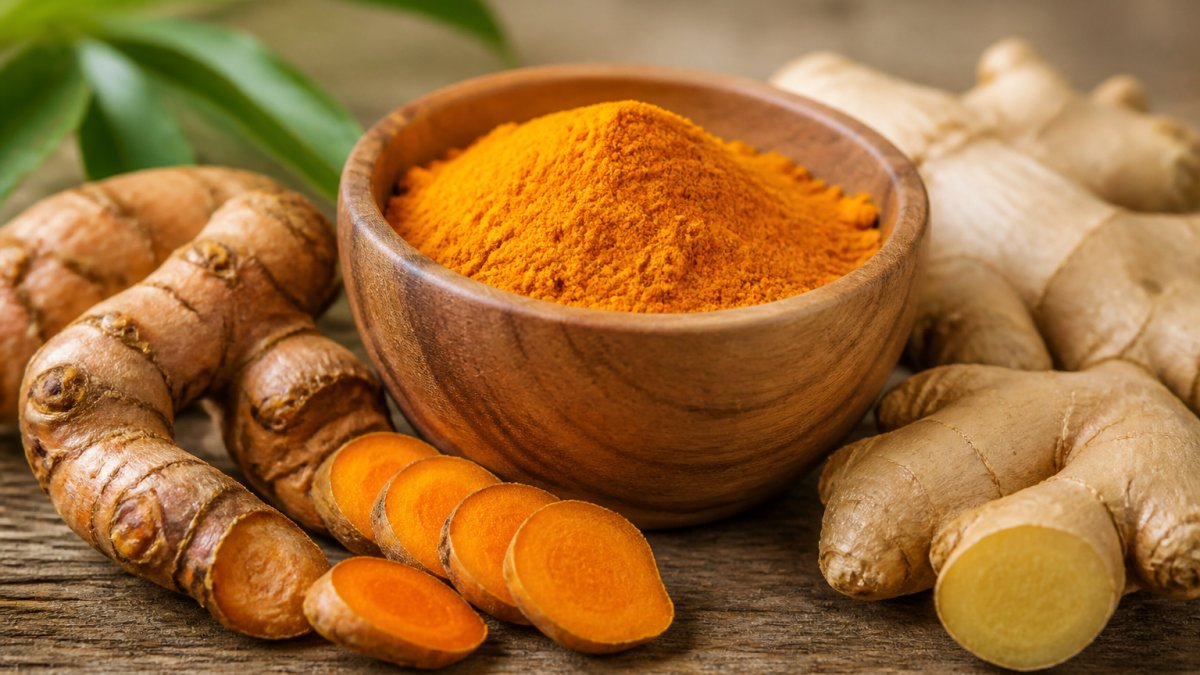
Dosage matters significantly. Research on curcumin for joint pain typically uses 500-2,000 mg daily, divided into multiple doses, often combined with meals containing fat to improve absorption. Many people notice effects within 2-4 weeks of consistent use, though some require 8-12 weeks. Watch out: turmeric can interact with blood thinners and may increase bleeding risk if you’re taking anticoagulants.
Quality varies dramatically among brands. Look for supplements that specify curcumin content and include standardized extracts, which ensure consistent dosing. Some people prefer whole turmeric powder in food, curries, golden milk, soups, though the curcumin concentration in food is much lower than in supplements.
Glucosamine for Joint Pain: What the Science Says
Glucosamine is an amino sugar that supports cartilage structure and may reduce cartilage breakdown in osteoarthritis. For knee joint pain specifically, glucosamine has shown mixed but generally positive results in research, with some studies showing benefit for pain and function and others showing minimal effect.
Most research uses glucosamine sulfate or glucosamine hydrochloride at doses of 1,500 mg daily, often combined with chondroitin sulfate (another cartilage-supporting compound). Results typically take 8-12 weeks to appear, and benefits are often modest, a reduction in pain intensity rather than elimination. For joint pain management, glucosamine works best as a longer-term approach rather than acute pain relief.
The timing of supplementation matters: glucosamine appears more effective when started earlier in osteoarthritis progression, before significant cartilage loss has occurred. If you have severe joint damage, glucosamine alone is unlikely to reverse it. It’s better viewed as a maintenance tool for mild-to-moderate joint pain and stiffness, particularly in the knees and hips.
Other Herbal Options: Ginger, Devil’s Claw, and Willow Bark
Ginger reduces inflammatory markers and has shown benefit for knee osteoarthritis pain in multiple studies. Fresh ginger in food, ginger tea, or ginger supplements (typically 1-2 grams daily) can complement other therapies. Ginger’s effect is generally mild to moderate, similar to glucosamine, and works best as part of a layered approach.
Devil’s claw, an African plant extract, contains compounds that reduce joint inflammation. For arthritis pain, devil’s claw has shown effects comparable to some anti-inflammatory medications in research, though individual response varies. Typical dosing is 1,500-3,000 mg daily, and effects usually appear within 2-4 weeks.
Willow bark contains salicin, a precursor to salicylic acid (the active compound in aspirin). For joint pain and arthritis, willow bark has demonstrated anti-inflammatory effects. Watch out: willow bark can interact with blood thinners and NSAIDs, and it may cause stomach upset in sensitive individuals.
| Herbal Remedy | Typical Dosage | Timeline for Effect | Best For |
|---|---|---|---|
| Turmeric (curcumin) | 500-2,000 mg daily | 2-4 weeks | Inflammation and pain |
| Glucosamine | 1,500 mg daily | 8-12 weeks | Cartilage support |
| Ginger | 1-2 grams daily | 2-4 weeks | Mild inflammation |
| Devil’s claw | 1,500-3,000 mg daily | 2-4 weeks | Arthritis pain |
| Willow bark | 1-2 grams daily | 1-2 weeks | Joint stiffness |
Massage Therapy and Manual Therapies for Joint Mobility
Massage therapy reduces muscle tension around painful joints, improves circulation, and can restore range of motion. For joint pain, particularly in the knees, hips, and shoulders, targeted massage addresses the muscles and fascia that support joint stability. Many people find that massage combined with other complementary therapies produces better results than massage alone.
The mechanism is straightforward: tight muscles restrict movement and increase stress on joints. By releasing muscle tension, massage restores normal movement patterns and reduces compensatory pain. For chronic joint pain, regular massage (weekly or biweekly) is often more effective than occasional sessions. A skilled massage therapist experienced with arthritis and joint conditions can target specific areas and avoid aggravating inflamed tissue.
Massage Therapy for Chronic Inflammation: How It Works provides deeper insight into how manual therapy addresses inflammation and joint mobility. At Holistic & Wellness Medicine, massage is integrated with other therapies because the combination addresses multiple aspects of joint pain: inflammation, muscle tension, and movement quality all improve together.
Start your wellness journey today! →
Tai Chi for Arthritis: Gentle Movement with Measurable Benefits
Tai chi is a low-impact movement practice that improves balance, flexibility, and joint stability while reducing pain intensity. For arthritis and joint pain, tai chi stands out because it combines gentle movement with mindfulness, addressing both the physical and stress-related aspects of chronic pain.
Research on tai chi for arthritis shows improvements in pain intensity, range of motion, and physical function. The benefits accumulate over time, most people notice changes within 4-8 weeks of regular practice (2-3 times weekly).
The key is consistency and proper form. Learning tai chi from an instructor experienced with arthritis ensures you’re using correct movement patterns that protect rather than stress your joints. Online videos can supplement in-person instruction, but starting with a qualified teacher prevents compensatory movements that could aggravate pain.
Yoga, Pilates, and Mind-Body Practices for Pain Relief
Yoga combines movement, breathing, and mindfulness to reduce pain intensity and improve joint function. For joint pain, gentle yoga styles (Yin, Hatha, restorative) are more appropriate than vigorous styles.
Research on yoga for arthritis and joint pain shows improvements in pain, stiffness, and physical function. Most people benefit from 2-3 sessions weekly over 8-12 weeks before fully assessing results. The mind-body connection matters, the breathing and meditation components of yoga reduce stress-related muscle tension and lower inflammatory markers.
Pilates emphasizes core strength and proper movement patterns, which reduce stress on joints. For joint pain, Pilates can rebuild stabilizer muscles that support painful joints, particularly in the knees and hips.
Meditation and progressive muscle relaxation reduce pain intensity by calming the nervous system. Chronic pain activates the stress response, which increases muscle tension and inflammation. Regular meditation (even 10-15 minutes daily) can interrupt this cycle. Many people combine meditation with other complementary therapies for joint pain to amplify results.
Safety, Interactions, and Realistic Expectations
Complementary therapies for joint pain are generally safe when used appropriately, but interactions and contraindications exist. Discover why functional medicine works for chronic pain and how it supports an evidence-based integrative approach. Herbal supplements interact with medications, turmeric with blood thinners, ginger with NSAIDs, devil’s claw with certain medications.
Why Functional Medicine Works for Chronic Pain explains how integrative approaches address root causes rather than masking symptoms, supporting the evidence-based framework behind combining complementary therapies.
Realistic expectations are essential. Complementary therapies for joint pain rarely provide complete elimination of pain, particularly in advanced arthritis. Instead, they typically reduce pain intensity by 30-50%, improve function and mobility, and enhance quality of life. For mild-to-moderate joint pain, complementary therapies alone may be sufficient.
Consistency matters more than intensity. A regular, moderate approach, weekly massage, daily tai chi, consistent supplementation, produces better long-term results than sporadic intensive efforts. Most people notice meaningful improvement within 8-12 weeks of consistent practice, though some changes take longer.
Building Your Personalized Complementary Therapy Plan
Start with an assessment of your specific joint pain: which joints hurt, what movements aggravate pain, what reduces it, and how pain affects your daily life. Different joints and different types of arthritis respond differently to complementary therapies.
How to Start a Personalized Wellness Plan guides you through creating a plan tailored to your condition. Begin with one or two complementary therapies rather than attempting everything simultaneously.
Layer therapies strategically. A practical starting plan might combine a herbal supplement (turmeric or glucosamine), one manual therapy (massage or acupuncture), and one movement practice (tai chi or yoga). Monitor your response over 8-12 weeks, then adjust.
Track your progress. Note pain intensity, range of motion, and how complementary therapies joint pain affects your daily activities. This objective tracking helps you distinguish between real improvement and placebo effect.
The path to managing joint pain without relying solely on medications or invasive procedures starts with understanding what actually works and why. Start your wellness journey today by beginning a personalized wellness plan that addresses the root causes of your joint pain rather than just the symptoms.
Frequently Asked Questions
What complementary therapies are evidence-based for joint pain?
Acupuncture, massage therapy, tai chi, yoga, and certain herbal supplements like turmeric and glucosamine have clinical research supporting their use for joint pain and arthritis. The strength of evidence varies by therapy and outcome, some reduce pain intensity, others improve range of motion or physical function. An integrated approach combining multiple therapies often yields better results than any single treatment alone.
Can acupuncture help with arthritis pain?
Research indicates acupuncture can reduce pain intensity and improve joint function in people with osteoarthritis and rheumatoid arthritis. It works by stimulating nerves and releasing endogenous pain-relieving substances. Results typically appear after 4-8 sessions, and benefits are often sustained with ongoing treatment. Acupuncture works best when combined with other therapies rather than used alone.
Are complementary therapies safe to use with arthritis medication?
Most complementary therapies are safe alongside standard arthritis medications, but some herbal supplements can interact with drugs like blood thinners or NSAIDs. Turmeric, for example, may increase bleeding risk if combined with anticoagulants. Always inform your healthcare provider about all supplements and therapies you are using so they can screen for interactions and adjust your overall treatment plan accordingly.
How long does it typically take to feel results from complementary therapies?
Timeline varies by therapy and individual response. Massage and acupuncture often provide noticeable pain relief within 1-4 sessions. Herbal supplements typically require 4-12 weeks of consistent use before measurable improvements appear. Tai chi and yoga show benefits in flexibility and pain reduction after 8-12 weeks of regular practice. Realistic expectations and patience are essential; complementary therapies address root causes rather than providing instant relief.






[…] of support, and the quality of that support varies widely by condition. For a direct breakdown of which complementary therapies hold up for joint pain, review the evidence for each option before […]