
Table of Contents
- Anti-Inflammatory Diet vs Keto for Gut Health: How the Two Approaches Differ
- How Ketosis and Carbohydrate Restriction Affect Inflammation
- Keto Diet and Gut Microbiome: What Research Shows About Microbial Diversity
- Is Keto Low in Fiber? The Trade-Off for Your Gut Bacteria
- Building an Anti-Inflammatory Diet Meal Plan That Supports Digestion
- Evidence-Graded Comparison: Keto vs Anti-Inflammatory Eating for Gut Conditions
- Who Should Avoid or Medically Supervise Each Diet
- Conclusion: Choosing Your Path to Better Gut Health
- Frequently Asked Questions
Last Updated: October 17, 2026
Anti-Inflammatory Diet vs Keto for Gut Health: How the Two Approaches Differ
The anti-inflammatory diet vs keto for gut health debate comes down to one core difference: an anti-inflammatory diet builds gut health through fiber and plant variety, while keto cuts carbohydrates and often cuts fiber with them.
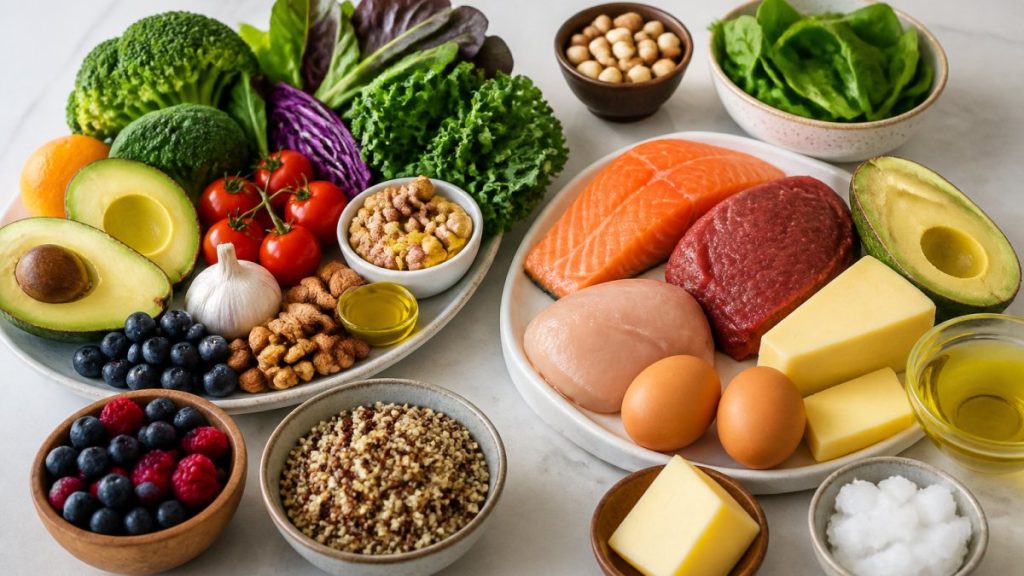
Here is the distinction that matters most. An anti-inflammatory diet is a way of eating built around foods that lower chronic inflammation and support a diverse gut microbiome, typically emphasizing vegetables, fruit, fatty fish, nuts, seeds, and olive oil while limiting refined sugar and ultra-processed food. A ketogenic diet is a very low-carbohydrate, high-fat eating pattern designed to push the body into ketosis. Both can reduce inflammation. They get there through different routes.
Below, we break down how each approach affects your gut, grade the evidence honestly, and give you a practical way to choose.
The anti-inflammatory diet vs keto question is not about which diet is “better.” It is about whether your gut tolerates a low-fiber, high-fat pattern or needs plant diversity to function well.
How Ketosis and Carbohydrate Restriction Affect Inflammation
Ketosis shifts your body’s fuel source, and that shift appears to calm some inflammatory pathways. When carbohydrate intake drops low enough, the liver produces ketone bodies such as beta-hydroxybutyrate. Research summarized by the National Institutes of Health suggests ketone bodies can influence immune activation and may help suppress certain inflammatory signals.
But the picture is not one-directional. A high-fat, low-carb pattern can also raise inflammatory markers in some people, especially when the fat comes mostly from processed sources. The type of fat matters as much as the amount.
A few things to keep in mind:
- Ketone bodies may reduce neuroinflammation in animal and early human studies
- Carbohydrate restriction can lower blood sugar spikes, which in turn may reduce insulin-driven inflammation
- Results vary widely by person and by diet quality
The honest summary: ketosis can reduce inflammation for some people, but the evidence is still developing and mostly comes from small studies.
Keto Diet and Gut Microbiome: What Research Shows About Microbial Diversity
The keto diet and gut microbiome relationship is where the trade-offs get real, and it is also where most comparisons stop too early. Very low-carbohydrate eating tends to reduce microbial diversity, the number and evenness of bacterial species in the colon, because the largest fuel source for those bacteria is fermentable carbohydrate that never arrives.
Here is the mechanism in plain terms. Colonic bacteria ferment dietary fiber and resistant starch into short-chain fatty acids (SCFAs), chiefly acetate, propionate, and butyrate. Butyrate is the preferred fuel for colon cells and helps maintain the gut barrier. When carbohydrate and fiber intake drop sharply, SCFA production generally falls, and bacterial groups that depend on fiber fermentation, including many butyrate producers, can decline.
Does that mean keto harms your gut? Not automatically. Three variables change the outcome more than the macronutrient ratio itself:
- Fiber quantity. A keto diet can deliver 25-30 g of fiber per day from avocado, chia, flax, almonds, leafy greens, broccoli, and cauliflower, close to general fiber recommendations, or it can deliver almost none.
- Fiber variety. Different fibers feed different bacteria. Rotating vegetables, seeds, and nuts supports more bacterial groups than eating the same two low-carb vegetables daily.
- Fat quality. A keto diet built on processed meats and cheese looks very different from one built on fish, olive oil, nuts, and leafy greens. The type of fat matters as much as the amount.
What most guides miss is that the anti-inflammatory diet and a well-constructed keto diet can converge on the same gut-supportive foods. The divergence is in the starchy and sugary carbohydrates, whole grains, legumes, fruit, that an anti-inflammatory pattern keeps and strict keto removes. Those foods are major fiber contributors for most people, which is why keto so often becomes a low-fiber diet in practice even when it is not designed to be.
The long-term effects on gut microbiota are not fully understood, and no one can tell you today what a decade of low-fiber ketosis does to microbial diversity. That uncertainty is a reason for monitoring and periodic reassessment, not a reason to assume harm or benefit.
Cutting fiber drastically while increasing saturated fat can worsen constipation and digestive discomfort in people who are sensitive. If that happens, the diet is not working for your gut, no matter what the scale says. A gradual transition and a fiber plan made before you start are safer than a sudden switch.
Is Keto Low in Fiber? The Trade-Off for Your Gut Bacteria
Yes, keto is often low in fiber, and that is the biggest gut health trade-off. Fiber feeds gut bacteria that produce protective compounds, and most Americans already fall short on it. The Dietary Guidelines for Americans recommend fiber intakes most adults do not meet.
The good news: you can protect your fiber on keto with careful choices.
- Low-carb, fiber-rich foods: avocado, chia seeds, flaxseed, almonds, leafy greens, broccoli, cauliflower
- Track fiber, not just carbs: aim for a steady daily intake from plant sources
- Prioritize variety: rotate vegetables rather than eating the same two every day
A common mistake is treating “low-carb” as “no vegetables.” That is the version of keto that hurts gut health. The version that includes plenty of low-starch plants looks much closer to an anti-inflammatory pattern.
Building an Anti-Inflammatory Diet Meal Plan That Supports Digestion
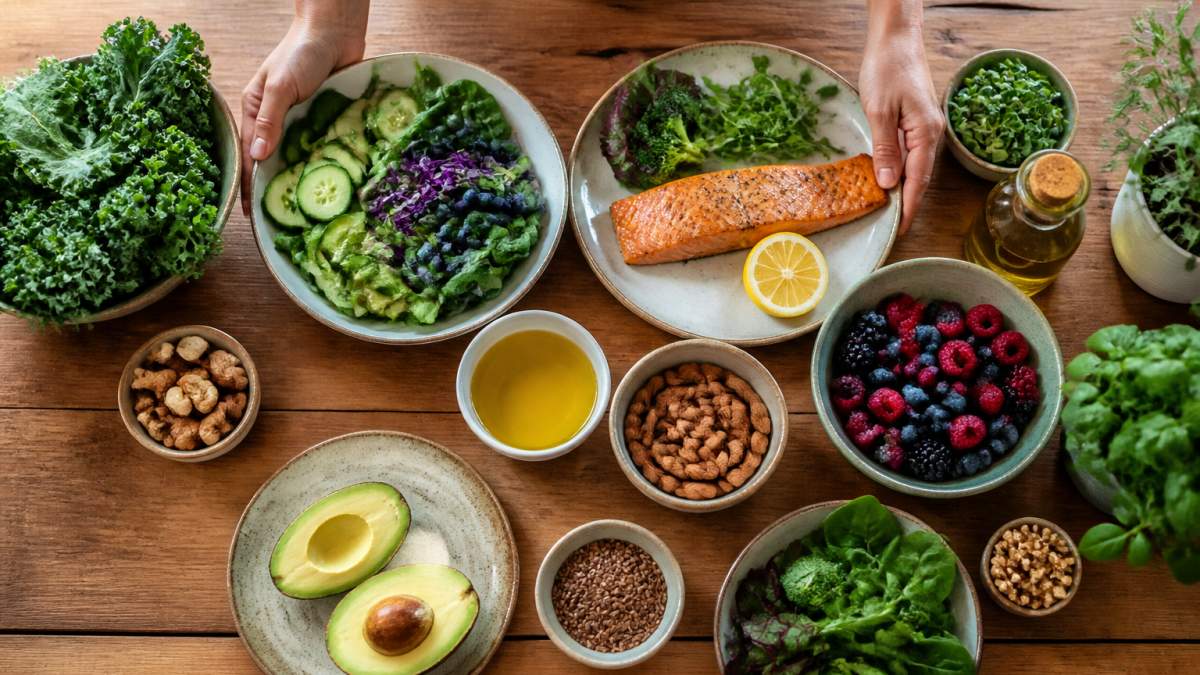
An anti-inflammatory diet meal plan starts with fiber and food variety, then adds fats that calm rather than provoke. Here is a simple framework:
Start your wellness journey today! →
- Fill half the plate with vegetables at lunch and dinner
- Add a palm-sized portion of fatty fish like salmon two to three times a week
- Choose olive oil as your main fat
- Snack on nuts, seeds, or berries instead of processed foods
- Limit refined sugar and ultra-processed food most days
This pattern supports microbial diversity because it feeds many types of gut bacteria. It also tends to be easier to sustain long term than strict keto, which matters for long-term adherence and nutritional adequacy.
If you want guidance tailored to your body, our team offers a diet program as part of an integrated care plan.
Evidence-Graded Comparison: Keto vs Anti-Inflammatory Eating for Gut Conditions
Here is our honest evidence summary. Certainty is graded low, moderate, or high based on study type, population size, and consistency across studies. This is the comparison most articles skip: a direct, side-by-side read of what each pattern is trying to do, what the evidence actually supports, and where each one falls short.
| Factor | Anti-Inflammatory Diet | Keto Diet |
|---|---|---|
| Primary goal | Lower chronic inflammation and support a diverse microbiome | Induce nutritional ketosis for metabolic and neurological effects |
| Core food pattern | Vegetables, fruit, fatty fish, nuts, seeds, olive oil, whole grains, legumes | Very low carbohydrate, high fat, moderate protein; low-starch vegetables, fish, oils, nuts |
| Fiber intake | High by design | Often low; can be protected with careful choices |
| Effect on microbial diversity | Generally supports it | Often reduces it, depending on fiber and food quality |
| Evidence type | Large observational studies plus some randomized trials | Small trials, animal studies, case reports |
| Certainty for gut conditions | Moderate | Low |
| Best studied for | General inflammation, cardiovascular risk, digestive health | Specific metabolic and neurological conditions |
| Long-term adherence | Easier for most people | Harder for many; restrictive and socially demanding |
For conditions like irritable bowel syndrome (IBS), inflammatory bowel disease (IBD), Crohn’s disease, and ulcerative colitis, the evidence for keto is thin. Most support comes from animal studies, small human studies, and isolated case reports. That does not make it useless, but it does mean claims should stay modest.
Keep one distinction clear: changes in gut symptoms, shifts in the microbiome, and diagnosed disease outcomes are three different things. A diet that improves how you feel is not the same as one proven to change disease course. A reduction in bloating or cramping is a symptom change. A measured increase in a bacterial species is a microbiome change.
A practical decision framework, based on goals and individual tolerance:
- If your main goal is broad gut support and you tolerate fiber: start with an anti-inflammatory pattern. It is the easier default, with more long-term adherence data and fewer nutrient gaps.
- If you have a specific metabolic or neurological reason to try keto: build a fiber plan before you start, track digestion, and reassess at 8-12 weeks rather than assuming it is working indefinitely.
- If you have IBS or IBD: do not start either diet during a flare, and do not stop prescribed medication to test a diet. Ask your clinician first.
- If you have tried both and felt better on one: that personal response is real data, but it is not proof of a disease-modifying effect. Pair how you feel with objective follow-up.
Long-term adherence and nutritional adequacy deserve their own line. Strict keto is restrictive and socially demanding, and it can fall short on fiber, certain vitamins, and mineral variety if it is not carefully built. An anti-inflammatory pattern is generally easier to sustain and more nutritionally varied, but it can also be done poorly with ultra-processed ‘anti-inflammatory’ products. Neither diet is self-executing.
If you have a diagnosed gut condition, ask your clinician before starting either diet. Sudden, large dietary shifts can trigger flares, and supervision changes the risk profile. A dietitian can help you protect fiber on keto or structure an anti-inflammatory plan around your triggers.
Who Should Avoid or Medically Supervise Each Diet
Neither diet is right for everyone, and both need medical supervision in certain cases. People who are pregnant, have kidney disease, diabetes managed with medication, a history of disordered eating, or a diagnosed digestive disease should not start either diet without a clinician’s guidance.
- Avoid unsupervised keto if you take diabetes medication, have kidney or gallbladder issues, or are pregnant
- Supervise anti-inflammatory eating if you have a condition requiring monitored nutrient intake
- Both diets warrant oversight if you have IBD, IBS, or are on multiple medications
This is general information, not individual medical advice. A consultation with a qualified professional is the right next step before major changes.
Conclusion: Choosing Your Path to Better Gut Health
The anti-inflammatory diet vs keto decision comes down to your goals and how your gut responds. If you want broad gut support and easier long-term adherence, an anti-inflammatory pattern is the safer default. If keto appeals to you, protect your fiber and watch how your digestion reacts.
At Holistic & Wellness Medicine, we combine functional medicine, chiropractic care, massage therapy, natural medicine, and yoga to address the root causes behind pain, stress, and inflammation. Our diet program fits into a personalized plan built around your body. Start your wellness journey today and get care that treats the whole you.
Frequently Asked Questions
Are keto and anti-inflammatory diets the same?
No, they differ in both composition and goal. An anti-inflammatory diet emphasizes fiber-rich foods, colorful vegetables, fatty fish, and healthy fats while limiting refined sugar and processed foods. Keto restricts carbohydrates to roughly 20-50 grams per day to reach ketosis, which often means eating more fat and animal protein. Some overlap exists, but keto’s low fiber intake can work against the gut-supporting aims of an anti-inflammatory diet.
How does keto affect gut bacteria?
Research on the keto diet and gut microbiome suggests that carbohydrate restriction reduces the diversity of gut bacteria, partly because fiber-rich foods feed beneficial microbes. Some studies show shifts in microbial composition rather than clear harm, and results vary between animal studies and human trials. If you try keto, adding low-carb fiber sources like chia seeds, flaxseed, and leafy greens may help preserve microbial diversity.
Can an anti-inflammatory diet help with gut inflammation?
An anti-inflammatory diet meal plan rich in fiber, omega-3 fatty acids, and plant polyphenols may support a healthier gut environment and reduce inflammatory markers in some people. Clinical evidence is strongest for overall dietary patterns rather than single foods. Anyone with diagnosed inflammatory bowel disease or irritable bowel syndrome should work with a qualified professional, since individual tolerance varies widely.
Who should avoid keto or seek medical supervision?
People with a history of disordered eating, kidney disease, gallbladder issues, or type 1 diabetes should talk to a clinician before starting keto. Those with inflammatory bowel disease or irritable bowel syndrome may find high-fat, low-fiber eating worsens symptoms. An anti-inflammatory diet is generally more flexible, but anyone with diagnosed digestive disease or on multiple medications should have a professional review their plan first.


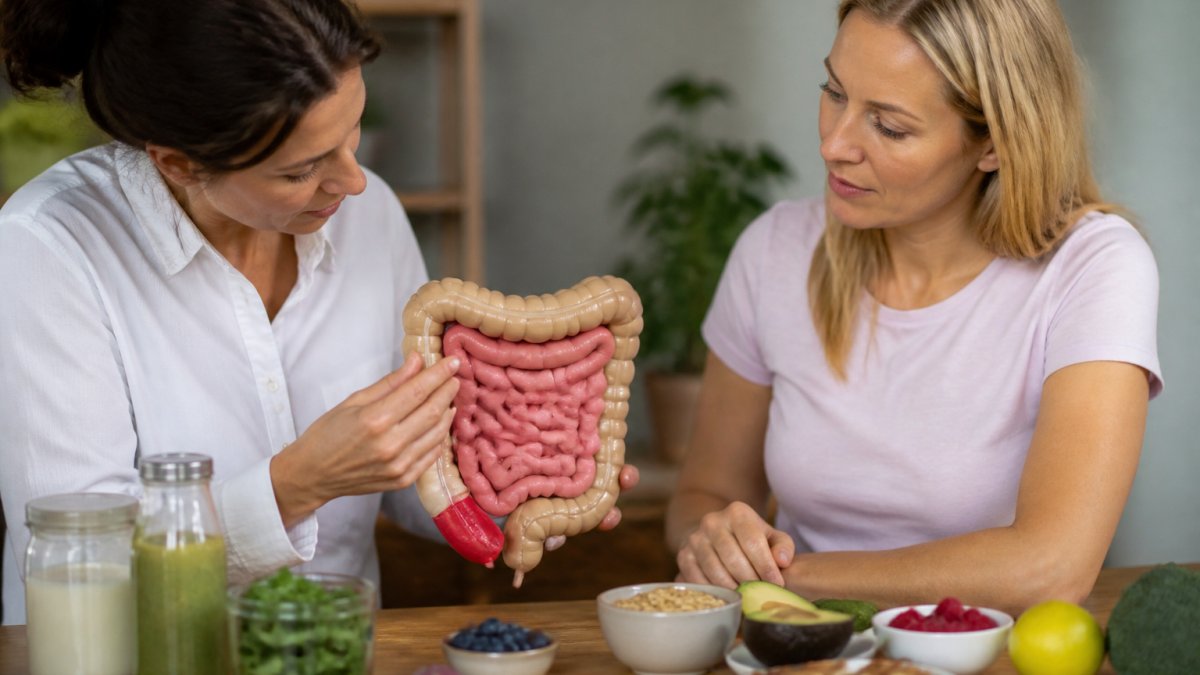


[…] is adding variety to your plate each week. If you are weighing diet options, this comparison of anti-inflammatory diet vs keto for gut health explains how the two approaches differ. Microbial diversity is widely linked to resilience, and […]