
Table of Contents
- What an Anti-Inflammatory Diet Actually Means (and Why It’s Not a Fad)
- Your Anti-Inflammatory Foods List: What to Eat and What to Limit
- A Realistic First-Week Transition Plan for Beginners
- 7-Day Anti-Inflammatory Meal Plan (with Simple Meals and Snacks)
- Anti-Inflammatory Meal Prep: Batch Cooking and Budget-Friendly Shopping
- How Long Does an Anti-Inflammatory Diet Take to Work?
- Medication, Allergies, and Condition-Specific Safety: What to Know Before You Start
- Frequently Asked Questions
Last Updated: October 12, 2026
What an Anti-Inflammatory Diet Actually Means (and Why It’s Not a Fad)
An anti-inflammatory diet is a way of eating that focuses on whole, unprocessed foods while limiting the foods that tend to drive chronic inflammation in the body. It is not a detox, a cleanse, or a short-term fix.
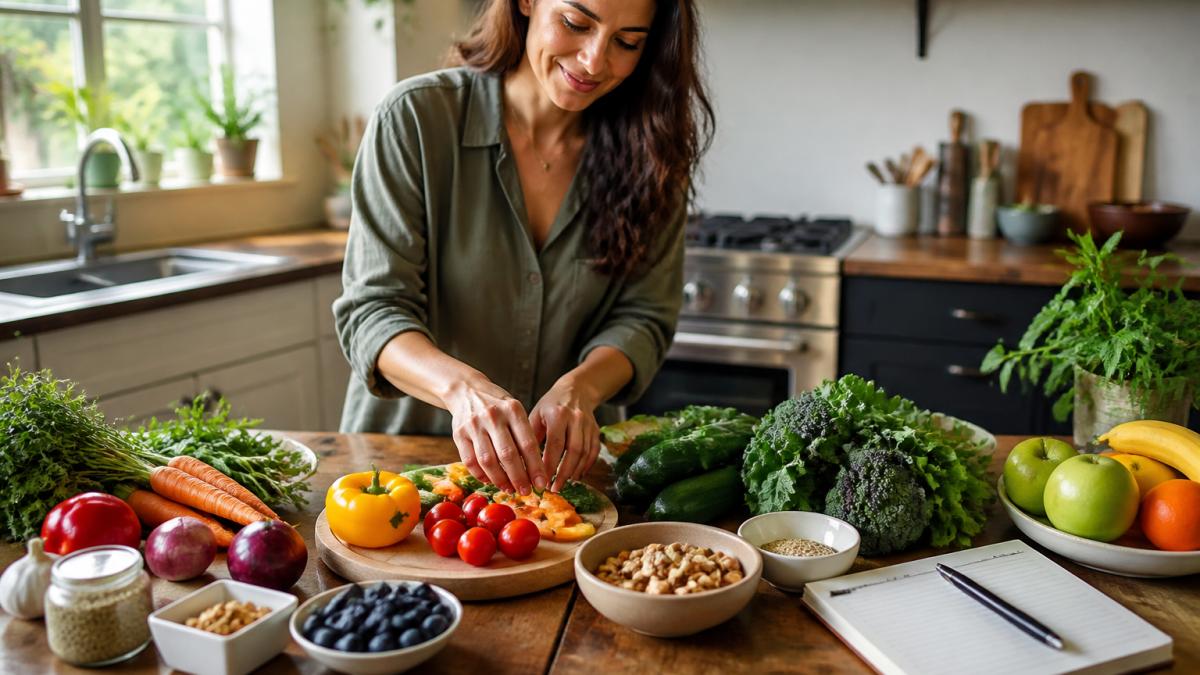
If you want to know how to start an anti-inflammatory diet for beginners, the short answer is this: you do not need powders, pills, or a strict 30-day challenge.
Food is one lever you control every single day.
The Core Principle: Whole Foods Over Processed Foods
The core principle is simple: eat foods close to their natural state, and cut back on foods that come in a box.
- Whole foods: fresh produce, plain meat and fish, beans, nuts, seeds
- Unprocessed foods: items with short ingredient lists you can read out loud
- Processed foods: packaged snacks, sugary drinks, refined grains, deli meats
This is a dietary pattern, not a diet you quit. The Harvard T.H. Chan School of Public Health guide to healthy eating plates offers a useful visual for building balanced meals.
Your Anti-Inflammatory Foods List: What to Eat and What to Limit
An anti-inflammatory foods list is your roadmap. It tells you what to fill your cart with and what to leave on the shelf.
You do not have to be perfect. Aim for mostly plants, some quality protein, and healthy fats.
Foods to Prioritize: Fruits, Vegetables, Whole Grains, Legumes, Fish, Nuts, and Seeds
Build most meals around these nutrient-dense foods:
- Fruits and vegetables: berries, leafy greens, broccoli, peppers, tomatoes
- Whole grains: oats, brown rice, quinoa, barley
- Legumes: beans, lentils, chickpeas
These foods deliver fiber, vitamin C, polyphenols, and antioxidants. That combination supports your body’s natural repair systems.
Foods to Limit or Avoid: Added Sugar, Processed Meats, and Refined Carbohydrates
You do not have to ban anything forever. But cutting back on these helps most people feel better:
- Added sugar in soda, candy, and sweetened coffee drinks
- Processed meats like hot dogs, bacon, and deli slices
- Refined carbohydrates: white bread, white pasta, pastries
A common mistake is trying to quit everything at once. Pick the one category you eat most often, usually added sugar or refined carbs, and cut that first. One change sticks better than ten.
A Realistic First-Week Transition Plan for Beginners
A realistic first week beats a perfect plan you abandon by day three. The goal is momentum, not perfection.
Days 1-3: Swap One Meal and Add One Vegetable
For the first three days, make just two changes:
- Swap one meal for a whole-food version (oatmeal instead of cereal, or a salad instead of a sandwich)
- Add one extra vegetable to any meal
That is it. No calorie counting. No cutting entire food groups.
Days 4-7: Build Your Plate Around the Anti-Inflammatory Foods List
Now build every plate with a simple structure:
- Half the plate: vegetables and fruits
- One quarter: whole grains or legumes
- One quarter: fish, poultry, or plant protein
The plate method removes the guesswork. If half your plate is plants and you added a healthy fat, you are already eating an anti-inflammatory diet.
7-Day Anti-Inflammatory Meal Plan (with Simple Meals and Snacks)
A 7-day anti-inflammatory meal plan takes the daily “what do I eat?” stress off your plate. Here is a beginner-friendly week you can repeat.
| Day | Breakfast | Lunch | Dinner | Snack |
|---|---|---|---|---|
| 1 | Oatmeal with berries and chia | Lentil soup with greens | Baked salmon, quinoa, broccoli | Apple with almond butter |
| 2 | Greek yogurt, walnuts, berries | Chickpea salad with olive oil | Grilled chicken, roasted peppers | Handful of almonds |
| 3 | Veggie omelet, avocado | Leftover chicken and greens | Bean chili with brown rice | Carrot sticks and hummus |
| 4 | Smoothie with spinach and flax | Tuna salad on whole grain | Baked cod, sweet potato, kale | Orange and walnuts |
| 5 | Oatmeal with banana and seeds | Quinoa bowl with beans | Turkey meatballs, zucchini | Chia pudding |
| 6 | Eggs with sautéed spinach | Lentil salad with tomatoes | Sardines on whole grain toast | Berries |
| 7 | Yogurt parfait with seeds | Leftover chili | Roasted chicken, barley, greens | Handful of walnuts |
Breakfast, Lunch, Dinner, and Snack Ideas for Each Day
Keep snacks simple: nuts, seeds, fruit, hummus, or plain yogurt. Portion matters less than quality when you are starting out.
Anti-Inflammatory Meal Prep: Batch Cooking and Budget-Friendly Shopping
Anti-inflammatory meal prep means cooking once and eating well all week. It saves time, money, and decision fatigue, and it is the single habit that keeps beginners from falling back on takeout by Wednesday.
How to Prep Once and Eat Well All Week
Set aside about two hours on a Sunday and work through this list in order, starting with the longest-cooking items:
Start your wellness journey today! →
- Cook a large batch of whole grains (quinoa, brown rice, or barley), one pot yields 4 to 6 servings
- Roast two trays of vegetables (broccoli, peppers, sweet potato, onion) at 425°F for 20 to 25 minutes
- Cook a pot of beans or lentils, or open two cans and rinse them
Store grains and proteins in separate containers so you can recombine them into different meals. A quinoa bowl on Monday, a grain-and-greens salad on Tuesday, and a grain-and-egg breakfast on Wednesday all come from the same prep.
Budget Swaps and Substitutions That Keep the Diet Affordable
You do not need expensive superfoods. The cheapest items in the store are often the most anti-inflammatory. Here is how to swap without losing the pattern:
| Instead of | Buy this | Why it works |
|---|---|---|
| Fresh berries | Frozen berries (no sugar added) | Same polyphenols, often half the price, no waste |
| Fresh salmon | Canned sardines or tuna in water | Omega-3s at a fraction of the cost |
| Dried beans | Canned beans, rinsed | Saves hours; rinse cuts added sodium |
| Specialty grains | Oats, brown rice, barley | Fiber-rich staples that cost pennies per serving |
| Premium olive oil | Store-brand extra virgin olive oil | Same fat profile; buy the largest bottle you will use |
| Bottled dressing | Olive oil + vinegar + lemon | No added sugar, far cheaper per use |
| Fresh herbs | Frozen or dried herbs | Longer shelf life, same flavor base |
Read the label on canned and frozen items. Look for short ingredient lists, no added sugar, and lower sodium. Frozen plain vegetables and fruit with no sauce are the closest thing to fresh.
Buy in season and freeze the surplus. When peppers, berries, or greens are cheap, buy extra and freeze what you will not use within a few days.
Adapting the Plan to Allergies, Preferences, and Cultural Cuisines
You do not have to eat salmon and quinoa to eat anti-inflammatory. Swap freely within the pattern:
- Vegetarian or vegan: replace fish with tofu, tempeh, edamame, or a handful of walnuts; replace Greek yogurt with a plant-based unsweetened alternative
- Gluten-free: use rice, quinoa, oats labeled gluten-free, or corn tortillas in place of wheat bread and pasta
- Dairy-free: use olive oil, avocado, or tahini in place of butter and cheese
If you are new to cooking, pick three meals you already make and swap one ingredient in each. A burger becomes a turkey or bean burger on a whole-grain bun. Pasta becomes whole-grain pasta with a vegetable-heavy sauce. Small swaps beat a full menu overhaul.
The anti-inflammatory pattern is a template, not a menu. Frozen, canned, and store-brand items are not a compromise, they are how most people actually afford to eat this way.
How Long Does an Anti-Inflammatory Diet Take to Work?
There is no single timeline, and anyone who gives you one is guessing. What most practitioners see is a range: some people notice more energy or easier digestion within two to four weeks, others need two to three months of consistent eating before they can tell a difference. The honest answer is that it depends on your starting point, how much you changed, and what you are measuring.
What to Track (and What Not to Expect)
Track patterns, not promises. A simple food-and-symptom journal for two to four weeks gives you more useful information than any online timeline. Log four things, once a day, on a 1-to-5 scale:
- Energy, how you feel mid-afternoon, not just in the morning
- Joint or muscle discomfort, same time each day, same scale
- Digestion, bloating, regularity, comfort after meals
Add a one-line note about what you ate that day. After two weeks, look for patterns rather than single days. A headache on a high-sugar day, repeated three times, is a pattern. A headache once is noise.
Realistic Expectations and the Evidence Behind Them
It helps to separate two very different claims:
- Strong evidence: overall dietary patterns rich in vegetables, fruit, whole grains, legumes, fish, nuts, and olive oil are associated with lower markers of chronic inflammation in large population studies. This is the level of evidence behind the pattern itself.
- Weaker evidence: claims that a single food, turmeric, a specific berry, a particular tea, will noticeably reduce inflammation on its own. These are usually based on small studies or lab work, not on outcomes in free-living people.
That distinction matters because it tells you where to put your effort. Changing your overall plate is the high-confidence move. Chasing individual superfoods is the low-confidence one.
Diet is not a treatment for a diagnosed condition, and it is not a substitute for medication. If you have an inflammatory disease, an autoimmune condition, or persistent symptoms, work with a clinician or a registered dietitian rather than self-treating with food alone. Do not stop or change a prescribed medication based on how you feel after changing your diet.
When to Adjust and When to Ask for Help
If you have been consistent for four to six weeks and see no change in any of your four tracked measures, adjust one variable, usually added sugar or refined carbohydrates, and give it another two weeks. If you see no change after that, or if symptoms are worsening, that is a signal to bring in a professional rather than push harder on your own.
Judge the diet by your own logged patterns over weeks, not by a promised deadline. The pattern has the strongest evidence; individual foods have the weakest. Track, adjust one thing at a time, and involve a clinician when symptoms do not improve.
Medication, Allergies, and Condition-Specific Safety: What to Know Before You Start
Talk to your doctor or a qualified professional before making major diet changes, especially if you take medication or manage a chronic condition. Some foods interact with blood thinners, thyroid medicine, and diabetes drugs.
If you have food allergies, read labels carefully and swap safely. The FDA guidance on food allergies and labeling explains how to read ingredient lists. For general nutrition guidance, the USDA Dietary Guidelines for Americans is a solid reference.
At Holistic & Wellness Medicine, we pair dietary changes with chiropractic care, functional medicine, massage therapy, and yoga so the whole body gets support. Our practice focuses on root cause healing rather than temporary symptom relief.
Frequently Asked Questions
What 7 foods fight inflammation?
Fatty fish like salmon and sardines, leafy greens such as spinach and kale, berries, nuts and seeds (especially walnuts and chia seeds), olive oil, whole grains like oats and brown rice, and legumes such as beans and lentils. These foods are rich in omega-3 fatty acids, fiber, antioxidants, and polyphenols that support a healthy inflammatory response. No single food works alone; the overall dietary pattern matters most.
What foods are allowed on a 7-day anti-inflammatory diet?
A 7-day anti-inflammatory meal plan includes vegetables, fruits, whole grains, legumes, fatty fish, lean poultry, nuts, seeds, and healthy fats like olive oil. You can also include herbs and spices such as turmeric and ginger. Processed foods, added sugar, refined carbohydrates, and excessive alcohol are limited. The plan emphasizes whole, unprocessed foods and simple ingredients that are easy to find at most grocery stores.
What is the #1 worst food for inflammation?
There is no single worst food, but added sugar and refined carbohydrates are among the most inflammatory. Sugary drinks, pastries, white bread, and processed snacks spike blood sugar and can promote inflammation over time. Processed meats and trans fats are also best limited. Focusing on reducing these foods rather than eliminating one specific item is more realistic and sustainable for beginners.
How long does it take to lower inflammation on an anti-inflammatory diet?
Some people notice changes in energy, digestion, or joint comfort within 1 to 2 weeks of consistently eating more whole foods and fewer processed ones. However, meaningful reductions in chronic inflammation often take 4 to 12 weeks. How long an anti-inflammatory diet takes to work depends on your starting point, how closely you follow it, and other lifestyle factors like sleep and stress. Track how you feel over time rather than expecting overnight results.
Chronic inflammation rarely has one cause, and food is only one part of the picture. If you are tired of guessing, Holistic & Wellness Medicine combines functional medicine, chiropractic care, massage therapy, and yoga into one plan built around your body. We help you find the root cause, not just the symptom. Start your wellness journey today and build lasting resilience.




[…] and results differ from person to person. Change one thing at a time so you can see what helps. A beginner-friendly anti-inflammatory diet guide walks you through the changes step by […]
[…] a structured starting point, our beginner’s guide to an anti-inflammatory diet walks through the first two weeks step by step. Watch out: cutting entire food groups at once often […]
Comments are closed.