Table of Contents
- 1. Start with Movement: Exercise and Physical Activity That Calms the Nervous System
- 2. Use Relaxation Techniques for Stress to Reset Your Stress Response
- 3. Practice Mindfulness Exercises for Stress and Mindful Meditation
- 4. Build Sleep Habits for Stress Management That Actually Restore You
- 5. Adopt Healthy Coping Strategies for Stress: Boundaries, Social Connection, and Workload Management
- 6. Nourish Your Body with a Healthy Diet and Outdoor Time
- 7. Track Your Progress and Know When to Seek Professional Help for Chronic Stress
- Conclusion: Build a Personalized Plan to Reduce Chronic Stress Naturally
- Frequently Asked Questions
Last Updated: October 17, 2026
1. Start with Movement: Exercise and Physical Activity That Calms the Nervous System
Chronic stress is a prolonged state of tension in which the body stays on high alert long after a threat has passed. At Holistic & Wellness Medicine, we see how this constant strain wears down sleep, mood, and energy. One of the most direct ways to reduce chronic stress is movement, because physical activity helps discharge the stress response and calm the nervous system.
You do not need intense workouts. The goal is steady, repeatable motion that your body can count on.

Walking, Swimming, and Stretching: Accessible Movement for Busy Days
Pick movement that fits your real schedule, not an ideal one:
- Brisk walking: A 30-minute walk most days is enough to ease tension and support circulation.
- Swimming: A 30-minute swim is low-impact and deeply relaxing for tight muscles.
- Stretching: Five to ten minutes of gentle stretching releases held tension in the neck, back, and shoulders.
A common mistake is waiting for a free hour that never comes. Short, frequent movement beats one big session you keep postponing.
2. Use Relaxation Techniques for Stress to Reset Your Stress Response
Relaxation techniques for stress work by activating the body’s parasympathetic rest response, which counters the constant sympathetic alert state of chronic stress. The key is consistency, not intensity. Practicing daily, even briefly, trains your nervous system to settle faster, but it is worth being clear about what these techniques can and cannot do.
What the Evidence Supports, and What It Doesn’t
Some relaxation methods have stronger research backing than others. Slow breathing, progressive muscle relaxation, and guided imagery are widely used in clinical settings and are generally considered well-supported for reducing acute tension and improving perceived calm. Popular but less-established remedies, certain herbal blends, unregulated supplements, or devices marketed with dramatic claims, may help some people, but the evidence is thinner and results are not guaranteed. Natural approaches can be useful tools; they are not cures for chronic stress, and they work best alongside other strategies rather than as a replacement for professional care when symptoms persist.
Deep Breathing and Progressive Muscle Relaxation
Two methods stand out for their simplicity and accessibility:
- Deep breathing: Slow, belly-focused breaths for a few minutes lower tension quickly. The mechanism is straightforward, a longer exhale stimulates the vagus nerve and nudges the nervous system toward rest.
- Progressive muscle relaxation: Tense each muscle group for a few seconds, then release, moving from toes to head. This teaches you to notice and release held tension you may not realize you are carrying.
Try a 4-6 breath: inhale for four counts, exhale for six. The longer exhale is what signals safety to your nervous system. Most people skip this and wonder why breathing “doesn’t work.” If you feel lightheaded, shorten the counts and build up gradually.
Choosing a Technique That Fits Your Day
Rather than treating relaxation methods as interchangeable, match them to your situation. If you have five minutes between meetings, a breathing exercise is practical. If you struggle to fall asleep, progressive muscle relaxation in bed may be more useful. If you carry tension in your shoulders and neck, a short body scan or stretching routine can release it. The goal is a small, repeatable practice you will actually do, not a perfect routine you abandon after a week.
Realistic Expectations
Relaxation techniques are not a quick fix for chronic stress. They can lower immediate tension and help you respond to stressors more calmly, but they do not erase the underlying causes. Think of them as one layer of a broader plan. If you practice for a few weeks and notice no change, that is useful information, it may mean a different technique suits you better, or that additional support is warranted.
3. Practice Mindfulness Exercises for Stress and Mindful Meditation
Mindfulness exercises for stress train attention on the present moment instead of replaying worries. Mindful meditation is the formal version: sitting quietly and observing your breath and thoughts without judgment. Even five minutes daily helps break the loop of chronic stress.
Start small. Notice one breath, one meal, or one walk with full attention. That counts as practice.
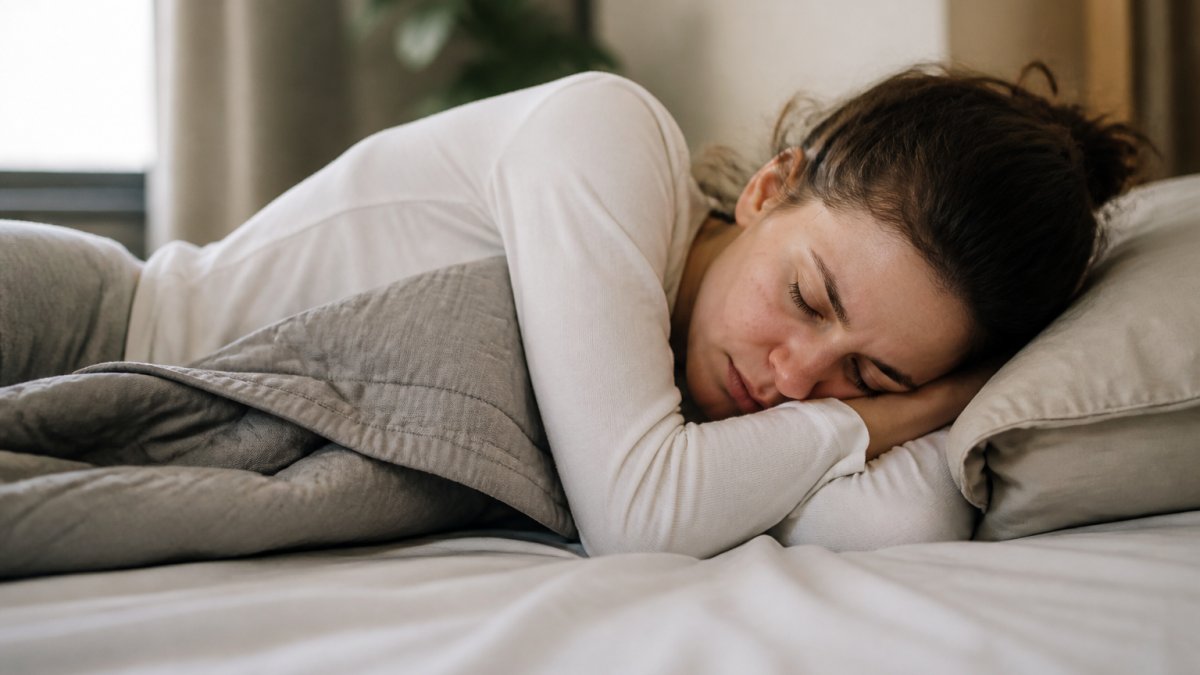
4. Build Sleep Habits for Stress Management That Actually Restore You
Sleep habits for stress management matter because poor sleep and chronic stress feed each other. When you sleep badly, your stress response runs hotter the next day. Protect sleep like it is non-negotiable:
- Keep a consistent sleep and wake time
- Dim screens an hour before bed
- Keep the room cool and dark
- Avoid caffeine late in the day
If racing thoughts keep you awake, a short breathing exercise in bed can help you re-center.
5. Adopt Healthy Coping Strategies for Stress: Boundaries, Social Connection, and Workload Management
Healthy coping strategies for stress address the source, not just the symptoms. Many people try to relax their way out of stress while leaving the real triggers untouched. That rarely works for long. This section goes beyond generic advice to cover the practical, interpersonal side of stress management that most tip lists skip.
Start your wellness journey today! →
Set Boundaries and Manage Work Stress
Work stress is a leading driver of chronic stress. Practical steps help:
- Say no to non-essential requests, and practice a simple script so it feels less awkward (“I can’t take that on this week, but I can help with X next week”)
- Set clear start and end times for work, and protect them the way you would a meeting
- Take real breaks away from screens, even five minutes of standing and breathing counts
- Lean on friends, family, or colleagues for support rather than absorbing everything alone
Skipping breaks to “catch up” backfires. It raises tension and lowers focus, which means the work takes longer and the stress compounds.
Social Connection and Practical Support: The Strategy Most Lists Miss
Social connection is not a soft add-on, it is a distinct stress-management strategy. Supportive relationships buffer the stress response, and isolation tends to amplify it. Yet many people under chronic stress withdraw, which makes the problem worse. Concrete ways to use connection as a tool:
- Ask for specific help. Instead of “let me know if you need anything,” name what would actually lighten the load, a meal, a school pickup, an hour of coverage.
- Schedule contact. A short call or walk with a friend counts as stress support, not a luxury.
- Tell someone you trust what you are dealing with. Naming stress out loud reduces its hold and opens the door to practical help.
- Join a group or class. Structured social settings, a walking group, a hobby class, a faith or community group, reduce isolation without requiring you to initiate one-on-one plans.
Build a Personalized Plan Rather Than a List of Tips
These strategies are not interchangeable. A useful approach is to identify your top two or three stress triggers, then match one coping strategy to each. If work overload is the main driver, boundaries and workload management come first. If isolation is a factor, social connection moves to the top. If you are not sure where to start, pick one strategy from this article and one from the relaxation or movement sections, try them for two weeks, and note what changes. A plan that fits your schedule and preferences is far more likely to stick than a perfect routine you cannot sustain.
6. Nourish Your Body with a Healthy Diet and Outdoor Time
A healthy diet supports mood and steady energy, which makes stress easier to manage. Focus on regular meals, plenty of vegetables, and limited processed food and excess caffeine. Nourishment is not about perfection; it is about giving your body stable fuel.
Outdoor time adds a powerful boost. Time in nature, even a short walk, lowers tension and helps you re-center. Pair a healthy meal with a daily dose of fresh air and you address chronic stress from two directions at once.
7. Track Your Progress and Know When to Seek Professional Help for Chronic Stress
Tracking progress keeps you honest about what works. A simple note on sleep, mood, and tension each day reveals patterns. If a habit helps, keep it. If it does not, adjust.
Chronic Stress vs. Short-Term Stress: Why the Difference Matters
Short-term stress is brief and resolves once the moment passes. Chronic stress lingers for weeks or months and wears down the body over time. That difference matters because chronic stress often needs more than willpower.
If stress has lasted for weeks despite your best efforts, that is a signal to get support, not a sign of failure. Persistent low mood, hopelessness, or thoughts of self-harm warrant prompt help from a qualified professional.
Know when self-help is not enough. Talk to a licensed clinician if stress interferes with daily life, sleep, or relationships.
Conclusion: Build a Personalized Plan to Reduce Chronic Stress Naturally
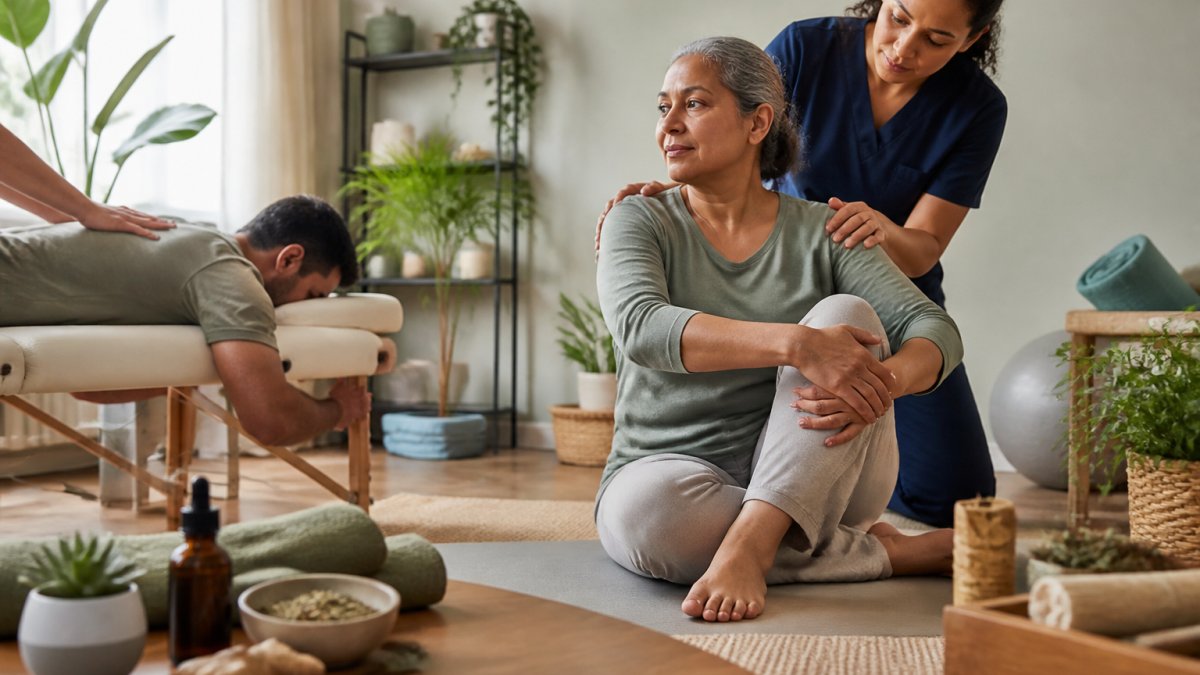
Lasting relief rarely comes from one habit alone. It comes from a plan that fits your life and addresses the root causes of chronic stress, not just the surface symptoms. That is the approach we take at Holistic & Wellness Medicine, combining chiropractic care, functional medicine, massage therapy, natural medicine, and yoga into one coordinated plan built around you. Our team focuses on the underlying drivers of stress, pain, and inflammation so you can restore balance and build resilience. Start your wellness journey today by reaching out to our team and building a plan that works for your body and your schedule.
Frequently Asked Questions
Can chronic stress be reduced naturally?
Yes, chronic stress can be reduced through natural approaches that support the nervous system. Regular physical activity like brisk walking or swimming, deep breathing exercises, mindfulness meditation, and consistent sleep habits all help lower the body’s stress response. Healthy coping strategies such as setting boundaries and spending time outdoors also make a difference. These methods work best when practiced consistently as part of a daily routine. If chronic stress feels unmanageable or affects your daily life, speak with a healthcare professional for personalized guidance.
What daily habits may help with chronic stress?
A few daily habits can make a meaningful difference for chronic stress. Start with 30 minutes of movement, like a brisk walk or swim, most days. Add a short deep breathing or mindfulness exercise before bed. Keep a consistent sleep schedule and limit screens an hour before bedtime. Eat regular, balanced meals and spend time outdoors. Set clear work boundaries and connect with supportive people. These habits build resilience over time, but if stress persists, consider professional support to address underlying causes.
What are three healthy coping strategies that can help reduce stress?
Three healthy coping strategies for stress include: first, relaxation techniques such as deep breathing or progressive muscle relaxation to calm the nervous system. Second, mindfulness exercises like mindful meditation to re-center your attention and reduce anxious thoughts. Third, setting boundaries and managing workload to prevent overwhelm. Pair these with regular movement and good sleep habits for a stronger effect. Practicing them consistently helps you cope with daily stressors and supports long-term emotional well-being.
When should I seek professional help for chronic stress?
Consider seeking professional help if chronic stress lasts for weeks or months, disrupts your sleep, relationships, or work, or if you experience persistent anxiety, low mood, or physical symptoms like headaches or muscle tension. A healthcare provider can assess whether stress is contributing to a medical condition and recommend appropriate care. If self-help strategies like exercise, relaxation, and mindfulness are not enough, an integrated approach addressing root causes may help. Reach out to a qualified professional for personalized guidance.
This article is general information and is not a substitute for individual medical advice. Speak with a qualified professional about your specific situation.