Last Updated: October 31, 2026
Quick Summary
Support your gut lining with a Mediterranean-style diet rich in fiber and fermented foods, daily stress resets like slow breathing before meals, consistent sleep, and regular movement such as walking after meals. Build fiber up slowly and track symptoms to find what works for you.
- Soluble fiber and resistant starch feed gut bacteria that produce butyrate, the preferred fuel for colon cells.
- Add one fiber-rich food every three to four days and drink enough water alongside it.
- Take five slow breaths before each meal, with exhales longer than inhales.
- A steady bedtime matters more than total hours logged on a weekend.
- Seek care for blood in your stool, unexplained weight loss, or symptoms that wake you at night.
Table of Contents
- Why Your Gut Lining Deserves Daily Attention
- Foods That Support Gut Lining: Fiber, Fermented Foods, and Variety
- Gut Health and Stress Management: The Vagus Nerve Connection
- Sleep and Gut Health: The Overnight Repair Window
- Exercise and Gut Health: Movement That Supports Digestion
- When to Seek Medical Care for Digestive Symptoms
- Frequently Asked Questions
Why Your Gut Lining Deserves Daily Attention
Your gut lining is a single layer of cells standing between the contents of your digestive tract and the rest of your body. It absorbs nutrients, keeps bacteria where they belong, and helps your immune system tell friend from foe. Small daily habits shape it more than any single supplement ever will.
What the Gut Lining Actually Does
The gut lining is a selective barrier that lets nutrients through while blocking harmful substances. It also hosts much of your gut microbiome and helps regulate inflammation. When that barrier weakens, you may notice bloating, loose stools, or fatigue. What causes leaky gut syndrome explains how the barrier breaks down.
What the Evidence Can and Cannot Tell You
Most research on lifestyle habits to support gut lining comes from small studies and animal models. That does not make the advice useless. It means no single habit is a cure, and anyone promising instant results is overselling. A common mistake is chasing one “miracle” food instead of building a steady routine.
Foods That Support Gut Lining: Fiber, Fermented Foods, and Variety
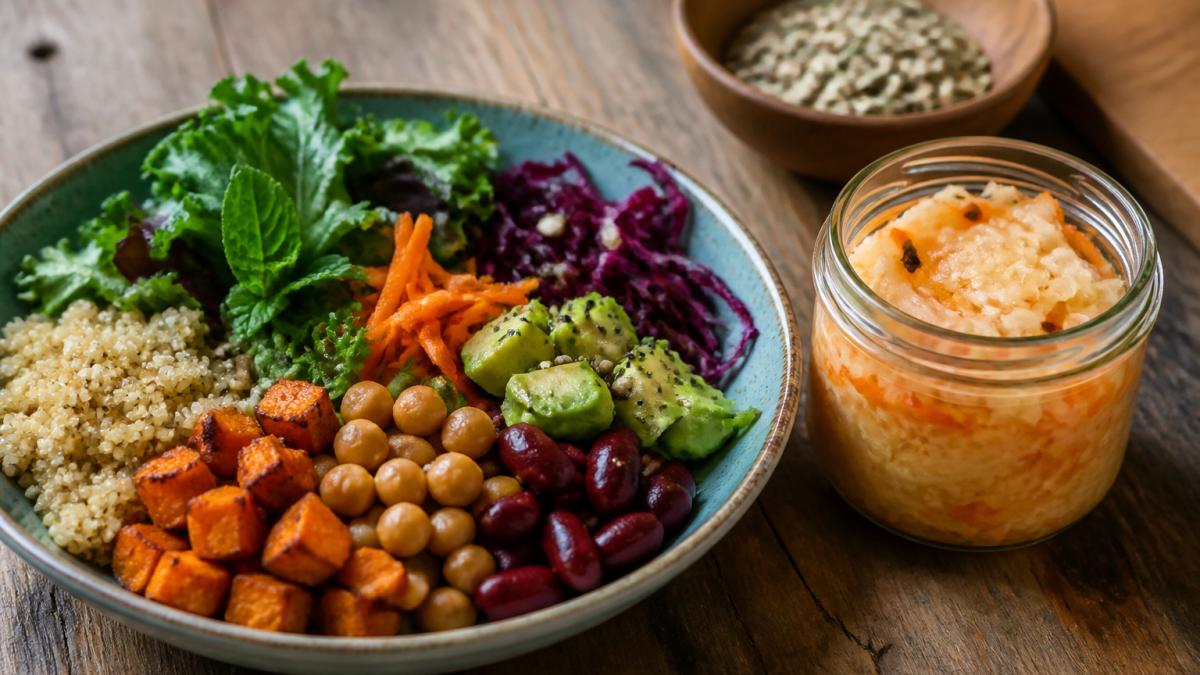
Foods that support gut lining work best as a pattern, not a checklist. Aim for variety across the week rather than the same “safe” meals every day.
How Fiber Supports the Barrier
Soluble fiber and resistant starch are fermented by gut bacteria into short-chain fatty acids, especially butyrate. Butyrate is the preferred fuel for the cells lining the colon and is associated with a healthier mucus layer and tighter junctions between cells. That is a mechanism, not a guarantee, human studies on barrier function are often small and short. Practical sources include:
- Oats (about 4 grams of fiber per cooked cup)
- Cooked-then-cooled potatoes and rice (resistant starch increases when cooled)
- Legumes such as lentils, chickpeas, and black beans (about 6-8 grams of fiber per half-cup cooked)
- Bananas, slightly underripe for more resistant starch
- Garlic, onions, and leeks for prebiotic fibers
Build up slowly. Jumping from low fiber to high fiber overnight causes gas and cramps. A common pattern is to add one fiber-rich food every three to four days and drink enough water alongside it.
Fermented Foods: What They Can and Cannot Do
Fermented foods like plain yogurt, kefir, sauerkraut, kimchi, and tempeh add live cultures and organic acids. Some people report less bloating and more regular bowel patterns; results vary by product, dose, and individual. Look for refrigerated products labeled “live and active cultures” and check sodium on sauerkraut and kimchi if you are watching blood pressure. For product-specific guidance, see the best probiotics for gut health after antibiotics.
Collagen-Rich Foods and Bone Broth
Bone broth and collagen-rich foods are popular in gut-lining conversations, but the evidence is preliminary. Collagen provides amino acids like glycine and proline, and some small studies suggest benefits for skin and joint comfort; direct evidence for barrier repair in humans is limited. Treat bone broth as a hydrating, protein-containing food, not a treatment. If you enjoy it, use it as a base for soups with vegetables and legumes rather than as a replacement for balanced meals.
A simple weekly target: two different legumes, two different whole grains, one fermented food, and one cooked-and-cooled starch. Rotate them rather than eating the same “gut-friendly” meal daily.
Personalization and Symptom Tracking
Individual tolerance varies. Keep a simple two-week log of foods, bowel patterns, bloating, and energy. Note portion sizes and timing, not just the food name. If a food consistently triggers symptoms, reduce it and reintroduce later rather than eliminating entire food groups permanently. Highly restrictive diets can reduce fiber diversity and are best done with a clinician’s guidance.
Potential Irritants and Trade-Offs
Alcohol, smoking, and very high intakes of ultra-processed foods are associated with poorer gut health in observational studies. You do not need perfection; reducing frequency and amount is a reasonable start. Caffeine and spicy foods are not inherently damaging to the lining, but they can worsen reflux or loose stools in sensitive people. Adjust based on your own symptoms rather than avoiding them by default.
Here are the practical fiber sources the article highlights, with the amounts it gives.
Start your wellness journey today! →
| Food | Fiber or key detail | Note |
|---|---|---|
| Oats | About 4 grams of fiber per cooked cup | Soluble fiber source |
| Cooked-then-cooled potatoes and rice | Resistant starch increases when cooled | Cook, cool, then eat |
| Legumes (lentils, chickpeas, black beans) | About 6-8 grams of fiber per half-cup cooked | Build up slowly |
| Bananas | Slightly underripe for more resistant starch | Choose less ripe fruit |
| Garlic, onions, and leeks | Prebiotic fibers | Add to meals |
| Plain yogurt, kefir, sauerkraut, kimchi, tempeh | Live cultures and organic acids | Look for live and active cultures |
Gut Health and Stress Management: The Vagus Nerve Connection
Stress and digestion are wired together through the vagus nerve, which carries signals between the brain and the gut. When you are constantly on edge, digestion can slow, blood flow to the digestive tract can shift, and the gut lining may be more vulnerable to irritation. The fix is not one big vacation. Try these ways to reduce chronic stress naturally. It is small daily resets that lower sympathetic (fight-or-flight) activity and give the parasympathetic (rest-and-digest) branch room to work.
What the Evidence Suggests
Research on stress and barrier function includes animal models and small human studies, often using relaxation or breathing interventions. The direction is consistent, chronic stress is associated with worse digestive symptoms, but no single technique is proven to “repair” the lining. Treat these habits as supportive, not curative.
Practical Daily Resets
- Take five slow breaths before each meal, with exhales longer than inhales (for example, in for four counts, out for six)
- Eat away from your desk and phone; even ten minutes of seated, unhurried eating helps
- Chew thoroughly and put your fork down between bites
- Walk for ten minutes after eating, especially after the largest meal
- Use a brief body scan or progressive muscle relaxation before bed
A common pattern is that people try a big stress-reduction program, miss a day, and quit. Smaller, repeatable actions are more sustainable.
Tracking Whether It Is Working
Keep a simple one-week log with three columns: stress level (1-10), digestive symptoms (bloating, urgency, reflux), and the habit you completed. Look for patterns rather than day-to-day noise. If symptoms consistently improve on days with post-meal walks or pre-meal breathing, that is useful information to discuss with a clinician.
Stress management does not replace medical care. If you have persistent pain, blood in your stool, unexplained weight loss, or symptoms that wake you at night, seek evaluation. Lifestyle habits support normal function; they do not diagnose or treat conditions.
Sleep and Gut Health: The Overnight Repair Window
Your gut does much of its repair work while you sleep. Short or broken sleep disrupts that window. What most guides miss is consistency: a steady bedtime matters more than total hours logged on a weekend. Keep your room dark and cool, cut screens an hour before bed, and avoid heavy meals late at night.
Exercise and Gut Health: Movement That Supports Digestion
Movement keeps digestion moving. Walking after meals, light strength training, and yoga all support regular bowel patterns without stressing the body. Learn how to lower inflammation with yoga and movement. Intense training without recovery can work against you, so balance hard days with easy ones.
When to Seek Medical Care for Digestive Symptoms
Some symptoms need a doctor, not a diet change. If leaky gut is part of the picture, read is functional medicine worth it for leaky gut.
Building a routine that supports your gut lining takes more than willpower. Holistic & Wellness Medicine takes an integrated approach, combining functional medicine, chiropractic care, massage therapy, natural medicine, and yoga, with a focus on identifying the underlying drivers of symptoms.
Frequently Asked Questions
What daily habits support the gut lining?
Daily habits that support the gut lining include eating a variety of fiber-rich foods such as fruits, vegetables, legumes, and whole grains; including fermented foods like yogurt or kefir; drinking enough water; managing stress through deep breathing or walking; getting consistent sleep; and staying physically active. Chewing food thoroughly and eating at regular times also help digestion. These habits work together over time rather than as quick fixes.
Can sleep and stress affect gut health?
Yes. Stress activates the body’s fight-or-flight response, which can slow digestion and change how the gut lining functions. Poor sleep can disrupt the gut microbiome and increase sensitivity to digestive symptoms. Practices like deep breathing, gentle movement, and a consistent sleep schedule help regulate both stress and sleep, which in turn supports gut health. If stress or sleep problems persist, a healthcare professional can help you address underlying causes.
When should digestive symptoms be evaluated by a healthcare professional?
Seek evaluation if you have persistent bloating, abdominal pain, diarrhea, or constipation that lasts more than a few weeks; blood in your stool; unexplained weight loss; fever; or symptoms that wake you at night. These signs can point to conditions that need medical attention. A functional medicine approach can help identify root causes, but it does not replace a medical diagnosis when red flags are present.
What foods support gut lining the most?
Foods that support the gut lining include fiber-rich vegetables, fruits, legumes, and whole grains, which feed beneficial bacteria. Prebiotic foods like garlic, onions, and oats provide fuel for those bacteria. Fermented foods such as yogurt, kefir, and sauerkraut add live cultures. Bone broth and collagen-rich foods are often mentioned, though evidence for their direct effect on the lining is limited. A varied, Mediterranean-style diet is a practical starting point.