

Table of Contents
- What Holistic Recovery Means for Active Athletes
- Active Recovery for Athletes: Movement and Mobility
- Building an Athlete Recovery Plan That Works
- Sleep and Athletic Recovery: Why Rest Matters
- Chiropractic Care vs Physical Therapy for Athletes
- Mental Health, Stress Management, and Return-to-Sport Readiness
- Measuring Progress and Tracking Recovery
- Frequently Asked Questions
Last Updated: October 10, 2026
What Holistic Recovery Means for Active Athletes
Holistic recovery for active athletes is an integrated approach that treats the body, mind, and spirit as a unified system rather than addressing isolated symptoms. At Holistic & Wellness Medicine, we understand that true recovery goes far beyond rest days and ice baths, it requires coordinated attention to physical healing, mental resilience, and long-term performance capacity.
Most athletes focus narrowly on one recovery modality. They ice sore muscles, stretch before bed, maybe see a physical therapist when pain becomes unbearable. But this fragmented approach misses the interconnected nature of athletic recovery. When you address only the symptom, tight hip flexors, sore shoulders, fatigue, you ignore the underlying drivers: movement patterns, stress load, sleep quality, and emotional state.
Holistic recovery for active athletes integrates several key dimensions. Physical recovery includes soft-tissue work, strengthening, and mobility training. Mental recovery addresses stress management, performance anxiety, and psychological readiness. Sleep and nutrition form the foundation. Return-to-sport planning ensures you come back stronger, not just faster. This integrated model prevents recurring injuries and builds lasting resilience.
The real difference between athletes who plateau and those who improve consistently: they measure recovery progress. Track sleep quality, mobility gains, and return-to-sport markers, not just workout intensity.
Active Recovery for Athletes: Movement and Mobility
Active recovery for athletes isn’t about sitting still, it’s about purposeful, low-intensity movement that promotes blood flow and tissue healing without adding training stress. The distinction matters. Passive rest has its place, but strategic movement accelerates adaptation and reduces stiffness.
Active recovery includes light walking, easy swimming, gentle cycling, or mobility drills. The intensity should feel restorative, not taxing. A common mistake is treating active recovery days like light training days. That defeats the purpose. Your nervous system needs genuine downregulation, and your tissues need metabolic clearance without fresh micro-damage.
Soft-Tissue Treatment and Manual Therapy
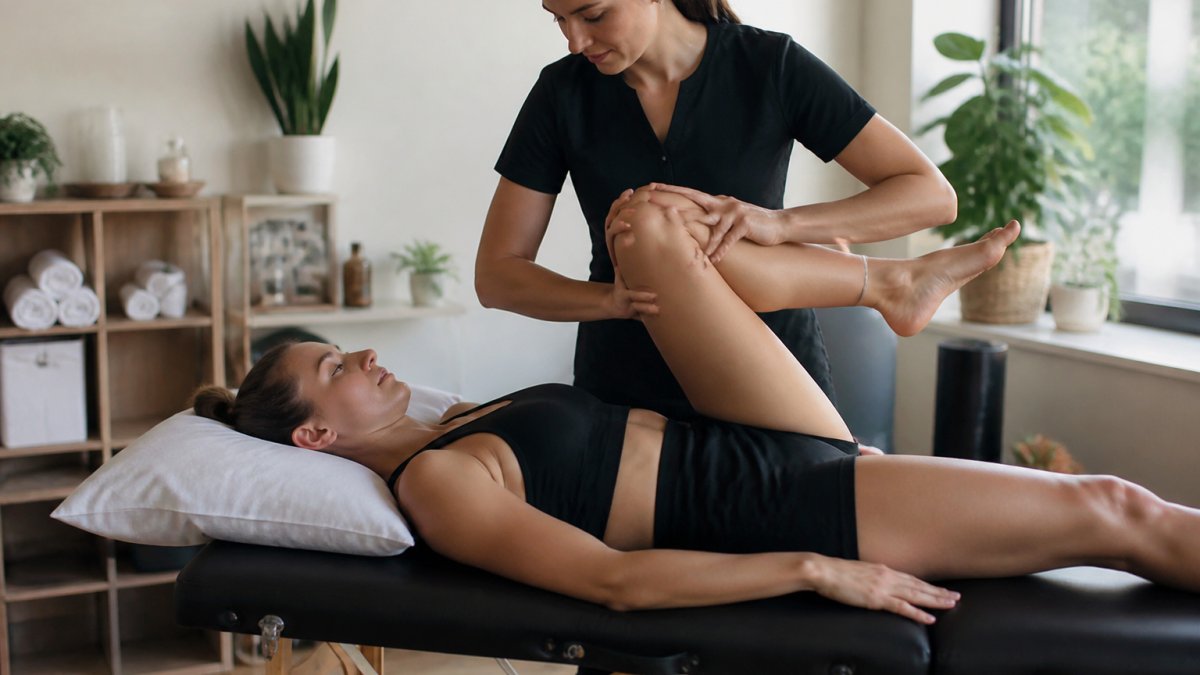
Soft-tissue work addresses the muscle tension and fascial restrictions that accumulate from training. Manual therapy, massage, myofascial release, dry needling, breaks up adhesions and restores tissue quality. These techniques work best when integrated with movement correction and strengthening.
Many athletes find that manual therapy provides temporary relief but pain returns within weeks. The missing piece: addressing what created the restriction in the first place. Poor movement patterns, muscular imbalances, or inadequate recovery between sessions rebuild the same restrictions. Soft-tissue work is most effective as part of a complete recovery plan that includes movement correction and progressive loading.
Strengthening and Movement Correction
Weakness and poor movement patterns are often the root cause of injury, not the result. Strengthening addresses muscular imbalances that develop from sport-specific demands. Movement correction retrains movement patterns to distribute load evenly and reduce compensatory stress on vulnerable tissues.
Effective strengthening for recovery is different from sport-specific strength training. Recovery-focused work targets stabilizer muscles, addresses asymmetries, and corrects movement dysfunction. This typically involves controlled, lower-load exercises with perfect form, not heavy lifting or explosive power work during the recovery phase.
Building an Athlete Recovery Plan That Works
A structured recovery plan coordinates multiple interventions into a coherent system. Without integration, individual treatments work in isolation. With coordination, they amplify each other. The difference between a generic recovery routine and one that actually works is specificity: your plan must account for your current training load, injury status, and competition schedule.
The Three-Phase Recovery Framework
Most athletes benefit from organizing recovery into three overlapping phases: acute recovery (immediately after training or injury), adaptive recovery (the 24-72 hour window where tissue repair accelerates), and maintenance recovery (ongoing practices that prevent injury and support performance).
Acute Recovery (0-4 hours post-training or post-injury): This phase focuses on metabolic clearance and nervous system downregulation. Light active recovery (easy walking, gentle cycling at 40-50% max heart rate, or mobility drills) for 10-20 minutes reduces blood lactate and initiates the parasympathetic response. Ice or contrast therapy (alternating 3 minutes cold, 1 minute warm, repeated 3-5 cycles) may reduce inflammation if applied within 2 hours of acute injury, though evidence for chronic soreness is mixed. Rehydration with 16-24 ounces of fluid per pound of body weight lost during exercise, plus sodium and carbohydrate (0.5-0.7 grams carbohydrate per pound of body weight within 30 minutes), begins glycogen and fluid restoration.
Adaptive Recovery (4-72 hours post-training): This is where most recovery work concentrates. Manual therapy (massage, myofascial release, or dry needling) performed 24-48 hours after training targets muscle tension and fascial restrictions; timing matters because immediate post-training massage may interfere with inflammation signaling needed for adaptation. Strengthening and movement correction exercises, performed 2-4 times weekly depending on training volume, address the movement patterns and muscular imbalances that created the injury risk in the first place. Sleep quality and duration (7-9 hours nightly) is non-negotiable during this phase; poor sleep during the adaptive window significantly impairs tissue repair and immune function. Stress management practices (10-20 minutes daily of mindfulness, breathing work, or gentle yoga) reduce cortisol elevation that would otherwise slow healing.
Maintenance Recovery (ongoing): Once acute injury resolves or as part of regular training cycles, maintenance practices prevent recurrence. This includes 1-2 sessions of manual therapy per month (or weekly for high-volume athletes), mobility work 3-5 times weekly for 10-15 minutes, consistent sleep hygiene, and stress management. The frequency depends on your sport and training load; endurance athletes often need more frequent mobility work, while strength athletes may prioritize recovery between heavy sessions.
Adjusting for Training Load and Competition Schedule
Your recovery intensity should match your training stress. Use a simple framework: on high-load training days (heavy strength work, high-intensity intervals, or long endurance sessions), prioritize sleep, nutrition, and stress management; reduce additional manual therapy or intense mobility work that day. On moderate-load days, add one manual therapy session or focused strengthening. On low-load or rest days, perform mobility drills and light active recovery.
During competition season, shift recovery emphasis toward injury prevention and nervous system recovery rather than adaptation. Reduce manual therapy frequency (1-2 times weekly instead of 3-4) and prioritize sleep and stress management. In off-season, you can increase manual therapy and corrective strengthening to address accumulated imbalances.
A common pitfall: applying the same recovery routine year-round. Your body’s needs change with training phase, competition schedule, and injury history. Reassess every 4-6 weeks and adjust manual therapy frequency, strengthening volume, and sleep targets based on your current training load.
Sleep and Athletic Recovery: Why Rest Matters
Sleep is where the majority of adaptation occurs. During sleep, your nervous system consolidates learning, your immune system repairs tissue damage, and hormonal balance restores. Poor sleep sabotages every other recovery intervention.
Most athletes underestimate sleep’s impact. They optimize training, invest in manual therapy, and manage nutrition, then sleep 6 hours per night and wonder why progress stalls. Sleep and athletic recovery are fundamentally linked. Seven to nine hours nightly is the research-backed target for active individuals.
Sleep quality matters as much as quantity. Consistent sleep schedule, dark cool environment, minimal screen time before bed, and stress management all improve sleep architecture. When sleep is compromised, recovery suffers regardless of other interventions.
Chiropractic Care vs Physical Therapy for Athletes
Both chiropractic care and physical therapy support athletic recovery, but they approach the problem differently. Understanding the distinction helps you choose the right intervention for your specific need.
Chiropractic care focuses on joint alignment, spinal mechanics, and nervous system function. Chiropractors use adjustments, manipulation, and other techniques to restore joint mobility and reduce nerve interference. Physical therapy emphasizes movement assessment, strengthening, and functional restoration. Physical therapists design exercise programs and movement retraining to address dysfunction.
Start your wellness journey today! →
The best approach for many athletes combines both. Chiropractic care addresses joint restrictions and alignment issues. Physical therapy builds the strength and movement patterns to prevent recurrence. At Holistic & Wellness Medicine, we integrate these approaches, with an integrated care team including chiropractors, massage therapists, and yoga practitioners working collaboratively to address root causes rather than symptoms alone.
Mental Health, Stress Management, and Return-to-Sport Readiness
Mental health directly influences recovery outcomes. Performance anxiety, fear of reinjury, and stress from training demands all impact physical healing and return-to-sport success.
Effective stress management includes mindfulness practices, breathing techniques, and cognitive approaches to anxiety. Some athletes benefit from sports psychology consultation. The goal is reducing the physiological stress response so your nervous system supports healing rather than fighting it.
Assessing Return-to-Sport Readiness
Return-to-sport readiness isn’t about timeline, it’s about capacity. An athlete might be pain-free at 6 weeks but lack the strength, mobility, and psychological confidence to safely return. Premature return leads to reinjury and extended time away from sport.
Proper assessment evaluates physical capacity (strength symmetry, mobility, movement quality), psychological readiness (confidence, anxiety levels, fear of reinjury), and sport-specific demands (can you perform the movements your sport requires?). Only when all three dimensions are adequate should return to sport progress.
Measuring Progress and Tracking Recovery
Measurement creates accountability and reveals what’s actually working. Most athletes track training metrics but ignore recovery metrics. This inverts the priority. Without concrete recovery data, you cannot distinguish between normal soreness and a warning sign of inadequate recovery, nor can you make informed decisions about return-to-sport timing or training load adjustment.
Key Recovery Metrics and How to Assess Them
Sleep Quality and Duration: Track both hours slept and perceived sleep quality (rate 1-10 each morning). Most active individuals need 7-9 hours nightly; less than 6 hours consistently signals inadequate recovery and elevated injury risk. Use a sleep app (Apple Health, Oura Ring, or similar) to monitor consistency; irregular sleep (varying by more than 1-2 hours nightly) impairs adaptation even if total hours are adequate.
Mobility and Range of Motion: Measure specific movements relevant to your sport using simple tests. For hip mobility, perform a 90/90 stretch (hip and knee flexed at 90 degrees, torso rotated forward) and note how far your torso can rotate without compensation; compare left and right sides. For shoulder mobility, perform an overhead reach test (arms overhead, thumbs touching, elbows straight) and note if you can maintain neutral spine.
Pain During Daily Activities and Sport: Use a 0-10 numeric rating scale for specific movements (e.g., “pain during a single-leg squat” or “pain during a throwing motion”). Track 2-3 times weekly. Pain should trend downward week to week; if pain plateaus or increases despite consistent recovery work, the recovery plan may be insufficient or the underlying movement pattern may not be correcting. Pain that worsens with activity or persists at rest warrants professional evaluation.
Strength Symmetry: Compare strength between the injured and uninjured side using simple tests. Single-leg stance duration (goal: 30+ seconds), single-leg squat depth (compare to uninjured leg), or grip strength (if upper body) measured with a dynamometer. Strength asymmetry greater than 10% indicates incomplete recovery; asymmetry greater than 15% significantly increases reinjury risk. Test weekly during the first 4-6 weeks post-injury, then every 2 weeks as you approach return to sport.
Perceived Exertion and Recovery: Rate how “recovered” you feel each morning on a 1-10 scale, and track your perceived exertion during training (Rate of Perceived Exertion, or RPE, on a 0-10 scale). If perceived recovery consistently drops below 5/10 or RPE for the same workout climbs above your normal range, training stress exceeds your recovery capacity. This is an early warning sign to reduce volume or intensity before injury occurs.
Psychological Readiness: For return-to-sport decisions, assess confidence and fear of reinjury. Rate your confidence performing sport-specific movements on a 0-10 scale (goal: 8+) and your fear of reinjury on a 0-10 scale (goal: 2 or below). Psychological readiness lags behind physical recovery; an athlete may have full strength and mobility but lack confidence. Do not return to sport until psychological readiness scores are adequate; premature return despite low confidence increases reinjury risk and may reinforce fear.
Interpreting Results and When to Seek Professional Help
If multiple metrics plateau for 2-3 weeks despite consistent recovery effort, your current plan is insufficient. This may mean you need more frequent manual therapy, different strengthening exercises, or professional assessment to identify a movement pattern or structural issue you cannot self-correct. Consult a physical therapist or sports medicine clinician if:
- Pain persists or worsens despite 2-3 weeks of appropriate recovery work
- Strength asymmetry remains above 15% after 6 weeks of targeted strengthening
- Mobility improvements plateau despite consistent mobility work
- Sleep quality remains poor despite sleep hygiene changes (consider sleep study or medical evaluation)
- Psychological readiness does not improve as physical metrics improve (sports psychology consultation may help)
| Recovery Metric | Assessment Method | Target | Frequency | Red Flag |
|---|---|---|---|---|
| Sleep | Hours + quality rating (1-10) | 7-9 hours, quality 7+ | Nightly | <6 hours or quality <6 for 3+ nights |
| Mobility (example: hip rotation) | 90/90 stretch test, measure degrees | Symmetry within 10° | Weekly | Asymmetry >10° or decline over 2 weeks |
| Pain during activity | 0-10 numeric rating for specific movement | Trending downward | 2-3x weekly | Plateau or increase despite treatment |
| Strength symmetry | Single-leg squat or stance test | ≥90% symmetry | Weekly (early), every 2 weeks (late) | <85% symmetry after 6 weeks |
| Perceived recovery | 1-10 morning rating | 6+ | Daily | <5 for 3+ consecutive days |
| Psychological readiness | Confidence + fear of reinjury (0-10 each) | Confidence 8+, fear 2 or below | Weekly | Confidence <6 or fear >5 at return-to-sport decision point |
Measurement is only useful if you act on it. If data shows a metric is not improving, adjust your recovery plan within 2-3 weeks. If adjustment does not work, seek professional assessment. Tracking without action is just record-keeping.
Frequently Asked Questions
What does holistic recovery mean for athletes?
Holistic recovery for active athletes treats the body, mind, and spirit as interconnected systems. Rather than addressing only the injured area, it examines training load, sleep quality, nutrition, stress levels, and emotional well-being. This integrated approach recognizes that an athlete’s performance and healing depend on all these factors working together, not just rehabilitation of a specific injury.
What should an athlete include in a weekly recovery plan?
An effective athlete recovery plan combines active recovery days with complete rest, prioritizes 7-9 hours of sleep nightly, includes mobility and flexibility work, incorporates proper nutrition and hydration, and addresses mental health through stress management. The plan should also include manual therapy (massage), movement correction exercises, and regular check-ins on how your body feels. Sport-specific adjustments ensure the plan matches your training intensity and competition schedule.
How do sleep and athletic recovery work together?
Sleep is when your body repairs muscle tissue, consolidates training adaptations, and restores mental resilience. During deep sleep, growth hormone peaks and inflammation decreases. Athletes who consistently sleep 7-9 hours experience faster recovery, better injury prevention, and improved performance. Poor sleep undermines all other recovery efforts, making sleep quality as important as any treatment or supplement in your athlete recovery plan.
When should an athlete see a chiropractor versus a physical therapist?
Both chiropractic care and physical therapy support athlete recovery, but they approach it differently. Chiropractors focus on spinal alignment and nervous system function through adjustments and manual therapy. Physical therapists emphasize movement patterns, strengthening, and functional rehabilitation through exercise. Many athletes benefit from both: chiropractic care for mobility and alignment, and physical therapy for sport-specific movement correction and return-to-sport readiness. A consultation with a sports medicine professional helps determine which is right for your situation.
How do I know if soreness is normal or an actual injury?
Normal muscle soreness (DOMS) peaks 24-48 hours after training, feels like a dull ache across muscle groups, and improves with light movement and recovery strategies. Injury pain is usually sharp, localized to one spot, worsens with specific movements, and doesn’t improve with standard recovery. If pain persists beyond a week, prevents normal training, or worsens despite rest, seek evaluation from a sports medicine professional or physical therapist to avoid long-term damage.
How can athletes balance training, recovery, and stress?
Balance requires tracking training load alongside recovery quality, scheduling complete rest days, and managing off-field stress through mindfulness, sleep, and proper nutrition. High training stress without adequate recovery and stress management leads to overtraining syndrome and injury. Holistic recovery means treating training as one part of a larger system: monitor how you feel, adjust intensity based on sleep and stress levels, and use integrated therapies (massage, yoga, chiropractic care) to support your nervous system during heavy training phases.
What’s the difference between active recovery and complete rest?
Active recovery involves low-intensity movement like walking, gentle yoga, or easy swimming that promotes blood flow without stressing muscles. Complete rest means minimal activity and is used after very intense efforts or during injury recovery. Most athletes need both: active recovery days 2-3 times per week to maintain mobility and reduce soreness, plus 1-2 full rest days weekly to allow nervous system recovery. The right balance depends on training intensity and your body’s response.