
Table of Contents
- What Is Chronic Inflammation and Why It Matters
- 1. Fatty Fish: Omega-3 Fatty Acids and Cellular Health
- 2. Dark Leafy Greens: Nutrient-Dense Powerhouses
- 3. Berries and Antioxidants: Fighting Free Radicals
- 4. Nuts and Seeds: Heart Health and Healthy Fats
- 5. Spices: Ginger and Turmeric for Systemic Inflammation
- 6. Extra Virgin Olive Oil: Monounsaturated Fats and Polyphenols
- 7. Cruciferous Vegetables: Phytonutrients and Gut Health
Last Updated: August 28, 2026
What Is Chronic Inflammation and Why It Matters
Chronic inflammation is your body’s persistent immune response to ongoing stress, poor diet, or injury, a low-grade activation that never fully switches off. Unlike acute inflammation, which protects you after a cut or infection, chronic inflammation silently damages tissues over months and years, contributing to joint pain, fatigue, cardiovascular disease, and metabolic dysfunction.
At Holistic & Wellness Medicine, we observe how dietary choices either accelerate or reverse this process. The foods you eat directly influence your inflammatory markers, C-reactive protein, cytokines, and oxidative stress levels. Specific nutrient-dense foods contain compounds that actively dampen pro-inflammatory pathways. Omega-3 fatty acids, polyphenols, and phytonutrients work at the cellular level to reduce oxidative stress and support your immune response.
Below, we’ll walk through the top 7 foods to fight inflammation backed by functional medicine principles, plus practical strategies to integrate them into your life without overhauling your entire diet overnight.
Chronic inflammation is the underlying driver of many chronic diseases. Dietary change is one of the fastest ways to shift inflammatory markers and restore cellular health without medication.
1. Fatty Fish: Omega-3 Fatty Acids and Cellular Health
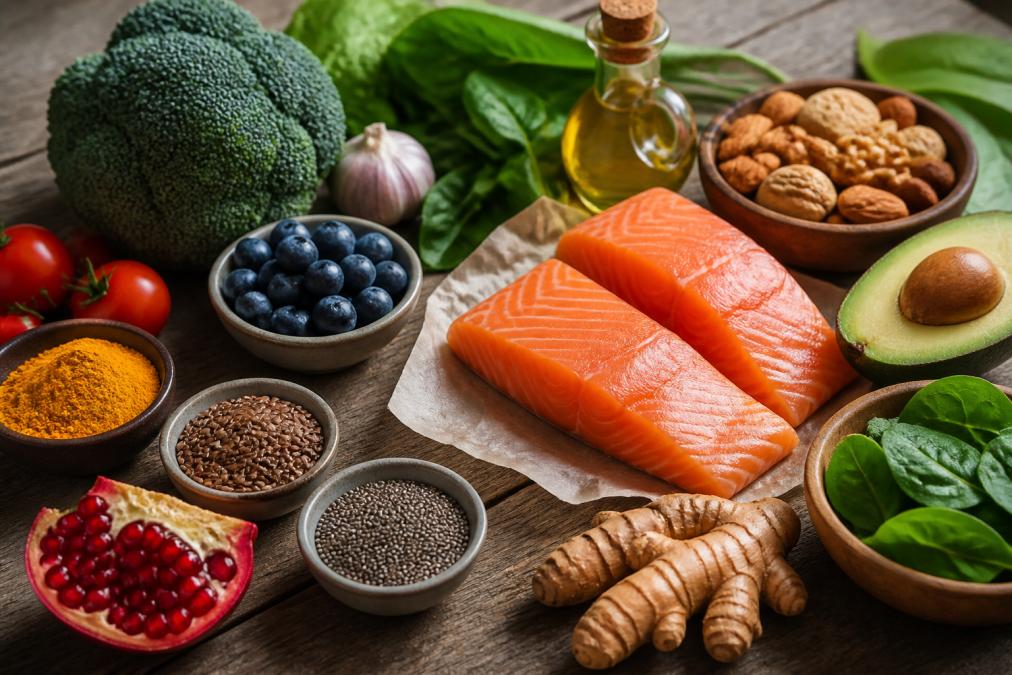
Fatty fish like salmon, mackerel, and sardines are among the most potent foods to fight inflammation because they’re dense in omega-3 fatty acids, specifically EPA and DHA, which directly suppress pro-inflammatory signaling in your immune cells. Omega-3s compete with omega-6 fatty acids for incorporation into cell membranes, shifting your body‘s inflammatory balance. Research shows that populations consuming regular fatty fish have lower C-reactive protein levels and reduced systemic inflammation markers (peer-reviewed research).
Practical integration: Aim for 2-3 servings of fatty fish weekly. A 3-ounce portion of salmon delivers roughly 1.5 grams of EPA and DHA combined (usda.gov). If you dislike fish, algae-based omega-3 supplements offer a plant-forward alternative.
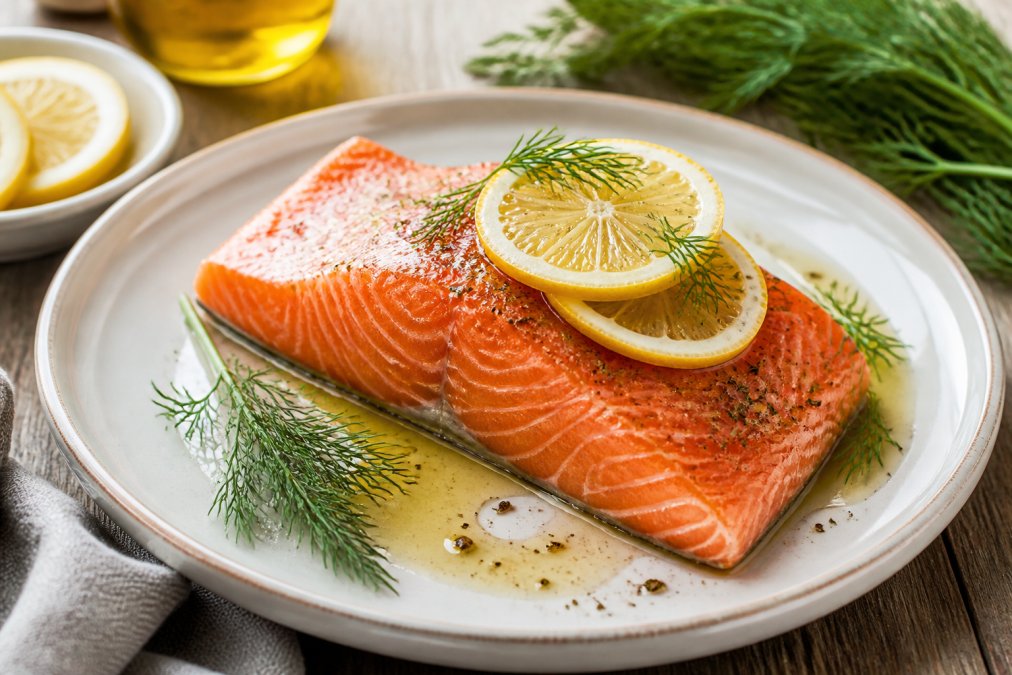
Canned sardines are cheaper than fresh salmon and contain similar omega-3 density. They’re shelf-stable, require no prep, and work in salads, grain bowls, or eaten straight from the tin.
2. Dark Leafy Greens: Nutrient-Dense Powerhouses
Spinach, kale, and collard greens contain high concentrations of vitamin K, folate, and polyphenols that directly reduce oxidative stress and support your body’s natural detoxification pathways. The fiber in these vegetables feeds beneficial gut bacteria, which produce short-chain fatty acids that calm systemic inflammation at the intestinal barrier. This gut-to-immune connection is central to functional medicine: a healthy microbiome is one of your most powerful anti-inflammatory tools.
Practical integration: One to two cups of raw greens or half a cup cooked daily provides meaningful phytonutrient density. Cooking breaks down cell walls, making fat-soluble vitamins more accessible. Pair cooked greens with a fat source, olive oil, nuts, or avocado, to maximize absorption.
People with digestive sensitivity who find raw salads difficult to tolerate. Cooked greens are gentler on the gut while delivering the same anti-inflammatory compounds.
3. Berries and Antioxidants: Fighting Free Radicals
Blueberries, blackberries, and raspberries are among the highest-antioxidant foods available. They’re rich in anthocyanins and flavonoids, polyphenols that neutralize free radicals and reduce oxidative stress at the mitochondrial level. Free radicals are unstable molecules generated during normal metabolism and accelerated by stress, poor sleep, and processed foods. Berries deliver antioxidant protection more efficiently than most other foods.
Practical integration: Frozen berries are nutritionally equivalent to fresh and significantly cheaper. Add them to oatmeal, yogurt, smoothies, or eat them thawed as a snack. A half-cup serving provides meaningful antioxidant density without excessive sugar.
4. Nuts and Seeds: Heart Health and Healthy Fats
Almonds, walnuts, flaxseeds, and chia seeds provide monounsaturated and polyunsaturated fats alongside fiber and micronutrients that support cardiovascular health and reduce inflammatory markers. Walnuts contain alpha-linolenic acid (ALA), a plant-based omega-3 that your body converts to EPA and DHA. Seeds deliver lignans and polyphenols that support hormonal balance.
Practical integration: One ounce of nuts or one tablespoon of seeds daily provides measurable anti-inflammatory benefit. Sprinkle seeds on salads, blend into smoothies, or eat nuts as a portable snack. Store in cool dark places and discard any with off flavors, as nuts oxidize quickly when exposed to heat, light, or air.
5. Spices: Ginger and Turmeric for Systemic Inflammation
Turmeric contains curcumin, a polyphenol that inhibits NF-kappa B, a key inflammatory signaling pathway in your immune cells. Ginger contains gingerols and shogaols, compounds that suppress pro-inflammatory cytokines directly. These are active compounds that shift inflammatory markers measurably. Pairing turmeric with black pepper increases curcumin absorption by up to 2,000 percent (peer-reviewed research). Heat and fat also improve absorption.
Practical integration: Add turmeric and black pepper to soups, curries, roasted vegetables, or golden milk. Ginger works fresh in teas, grated into stir-fries, or crystallized as a snack. Aim for one-quarter to one-half teaspoon of turmeric daily with black pepper.
High-dose curcumin supplements can interact with blood thinners and certain diabetes medications. If you take prescription medications, consult your provider before supplementing beyond culinary amounts.
6. Extra Virgin Olive Oil: Monounsaturated Fats and Polyphenols
Extra virgin olive oil contains oleocanthal, a polyphenol with anti-inflammatory effects comparable to ibuprofen at high concentrations. It also provides monounsaturated fats that support cardiovascular health and reduce pro-inflammatory markers. Only cold-pressed, extra virgin varieties retain the compounds that make olive oil anti-inflammatory.
Start your wellness journey today! →
Practical integration: Use extra virgin olive oil as a finishing oil, drizzled over soups, salads, cooked vegetables, or grains after cooking. Heating extra virgin olive oil above 350°F degrades its polyphenols, so save it for cold applications or low-heat finishing. Use a more stable fat for cooking.
7. Cruciferous Vegetables: Phytonutrients and Gut Health
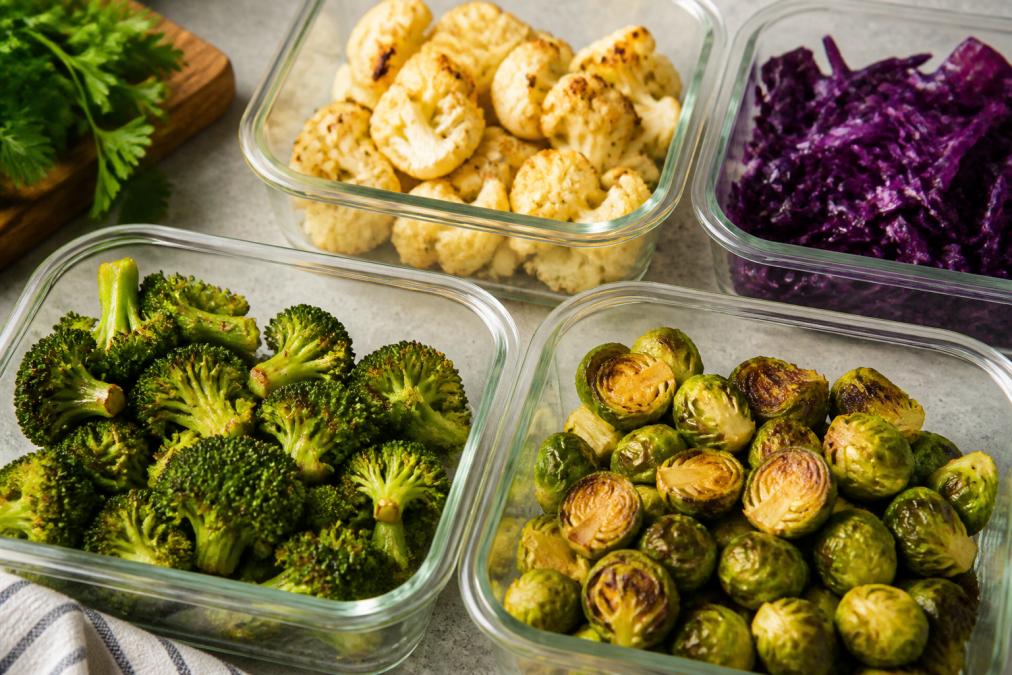
Broccoli, cauliflower, Brussels sprouts, and cabbage contain sulforaphane and indoles, phytonutrients that activate detoxification enzymes in your liver and support gut microbiome diversity. These vegetables are fiber-rich, feeding beneficial bacteria that produce butyrate, a short-chain fatty acid that strengthens your intestinal barrier. A compromised gut barrier allows bacterial lipopolysaccharides to enter your bloodstream, triggering systemic inflammation.
Practical integration: Roast cruciferous vegetables with olive oil and salt for a crispy side dish. Add raw or lightly steamed to grain bowls. Ferment cabbage as sauerkraut to further boost probiotic content. Cooking deactivates goitrogens, compounds that can interfere with thyroid function in large amounts.
Building an Anti-Inflammatory Diet Plan for Long-Term Results
Understanding individual foods is one thing. Building a sustainable eating pattern around them is another. Most people fail with dietary change not because they lack willpower but because they try to overhaul everything at once.
Start with one addition, not multiple eliminations. Choose one fatty fish meal weekly. Add one dark leafy green to your breakfast. Incorporate berries into one snack. Meal prep reduces friction: dedicate two hours on a weekend to cook a batch of fatty fish, roast cruciferous vegetables, prepare a grain base, and portion into containers. When anti-inflammatory foods are visible and ready, you’re far more likely to choose them.
Track how you feel. Many people notice improvements in joint pain, energy, and digestion within two to three weeks of consistent anti-inflammatory eating.
If budget is tight, prioritize frozen fatty fish, canned sardines, frozen berries, and seasonal vegetables. These options deliver the same anti-inflammatory compounds at a fraction of fresh prices.
Foods That Cause Inflammation to Avoid
Refined seed oils (soybean, canola, sunflower) are high in omega-6 linoleic acid, which your body converts to arachidonic acid, a precursor to pro-inflammatory molecules. Refined carbohydrates and added sugars spike blood glucose rapidly, triggering insulin spikes that activate inflammatory pathways. Ultra-processed foods combine these elements with additives that further dysregulate your immune response.
Reducing these isn’t about perfection. If 70 percent of your diet consists of nutrient-dense, anti-inflammatory foods, occasional processed foods won’t derail your progress.
How Functional Medicine Approaches Chronic Inflammation
Conventional medicine typically addresses inflammation symptoms with NSAIDs or corticosteroids, medications that suppress the immune response without addressing underlying drivers. Functional medicine identifies why your body is inflamed in the first place. Chronic inflammation is usually driven by some combination of: poor diet, chronic stress, inadequate sleep, sedentary lifestyle, unmanaged infections, or food sensitivities.
Holistic & Wellness Medicine addresses inflammation by treating these root causes simultaneously through dietary change, stress management via yoga and mindfulness, chiropractic care to restore movement patterns, and massage therapy to reduce muscular tension. This integrated approach works because it addresses inflammation at multiple levels.
| Food | Primary Anti-Inflammatory Compound | Practical Serving | Integration Method |
|---|---|---|---|
| Fatty Fish | Omega-3 fatty acids (EPA, DHA) | 3 oz, 2-3x weekly | Baked, grilled, canned |
| Dark Leafy Greens | Polyphenols, vitamin K | 1-2 cups raw or ½ cup cooked daily | Sautéed, blended, raw in salads |
| Berries | Anthocyanins, flavonoids | ½ cup daily | Fresh, frozen, in smoothies |
| Nuts & Seeds | Monounsaturated fats, ALA | 1 oz nuts or 1 tbsp seeds daily | Raw, toasted, ground |
| Turmeric & Ginger | Curcumin, gingerols | ¼-½ tsp turmeric + black pepper | Golden milk, curries, teas |
| Extra Virgin Olive Oil | Oleocanthal, polyphenols | 1-2 tbsp daily | Finishing oil, drizzles, dressings |
| Cruciferous Vegetables | Sulforaphane, indoles | 1-2 cups cooked daily | Roasted, steamed, fermented |
Frequently Asked Questions
What is the strongest anti-inflammatory food?
Fatty fish like salmon and sardines stand out due to their high omega-3 fatty acid content, which actively reduces pro-inflammatory markers including C-reactive protein. Turmeric and ginger are also exceptionally potent, with curcumin in turmeric showing measurable effects on systemic inflammation. However, the most effective approach combines multiple anti-inflammatory foods rather than relying on a single source. Your individual response depends on your specific inflammatory triggers and overall dietary pattern.
What are the 5 worst foods that cause inflammation to avoid?
Refined carbohydrates (white bread, pastries), processed vegetable oils high in omega-6, added sugars, processed meats, and trans fats consistently trigger pro-inflammatory responses. These foods spike blood glucose, promote oxidative stress, and disrupt your gut microbiome. Reducing these items creates space for nutrient-dense, anti-inflammatory alternatives. Focus on reading ingredient labels and choosing whole foods whenever possible to minimize your inflammatory load.
How quickly can an anti-inflammatory diet reduce chronic inflammation?
Most people notice improvements in energy and joint discomfort within 2-4 weeks of consistent dietary changes, though measurable reductions in C-reactive protein and other inflammatory markers typically appear after 6-8 weeks. The timeline varies based on the severity of your inflammation, adherence to the dietary pattern, and whether you're also addressing sleep, stress, and movement. Functional medicine practitioners can monitor your progress through specific biomarkers to track your body's response.
Can I take anti-inflammatory supplements instead of eating these foods?
Whole foods provide synergistic phytonutrients, fiber, and bioavailable compounds that isolated supplements cannot fully replicate. A turmeric supplement, for example, lacks the full spectrum of compounds found in fresh turmeric root. That said, supplements can support dietary efforts, especially for targeted concerns like joint health or oxidative stress. The most effective strategy combines a nutrient-dense anti-inflammatory diet with supplementation only where dietary gaps exist. Consult a functional medicine practitioner before starting any new supplement regimen, particularly if you take medications.
This article was written using GrandRanker

5 Natural Remedies for Anxiety and Stress at Home
Discover 5 natural remedies for anxiety and stress at home, from breathing exercises to herbal supplements. Learn how functional medicine can help. Start.

How to Improve Posture to Reduce Pain: A 2026 Guide
Learn how to improve posture to reduce pain with exercises, stretches, and ergonomic tips. Discover a holistic approach to lasting relief. Start today.

How to Treat Adrenal Fatigue Without Medication
Learn how to treat adrenal fatigue without medication using diet, stress management, and natural supplements. Discover practical steps to restore.