Table of Contents
- Understanding Non-Invasive Pain Relief Methods
- Physical Therapy and Therapeutic Exercise for Pain Management
- Heat and Cold Therapy: When and How to Use Each
- TENS Unit Effectiveness for Back Pain and Other Conditions
- Manual Manipulation and Myofascial Release Techniques
- Mind-Body Techniques for Pain: Mindfulness and Stress Reduction
- Acupuncture and Complementary Medicine Approaches
- Building Your Integrated Non-Invasive Pain Relief Plan
Last Updated: August 3, 2026
Understanding Non-Invasive Pain Relief Methods
Non-invasive pain relief methods offer effective alternatives to surgery and heavy pharmaceuticals by addressing root causes rather than masking symptoms. These evidence-based techniques, including physical therapy, manual manipulation, mind-body practices, heat and cold therapy, and acupuncture, work with your body’s natural healing mechanisms. The power lies in combining them into a multimodal therapy plan tailored to your specific condition, pain threshold, and lifestyle.
Pain signaling is complex, and lasting relief requires addressing multiple factors simultaneously. A person experiencing chronic back pain might benefit from therapeutic exercise to rebuild mobility, stress reduction to lower inflammation, and ergonomic adjustments to prevent re-injury. Each element reinforces the others, creating pain modulation, your body’s ability to regulate pain signals more effectively over time.
This guide walks you through the most effective non-invasive pain relief methods available today, how to implement them safely at home, and how to integrate them into a comprehensive plan.
Physical Therapy and Therapeutic Exercise for Pain Management
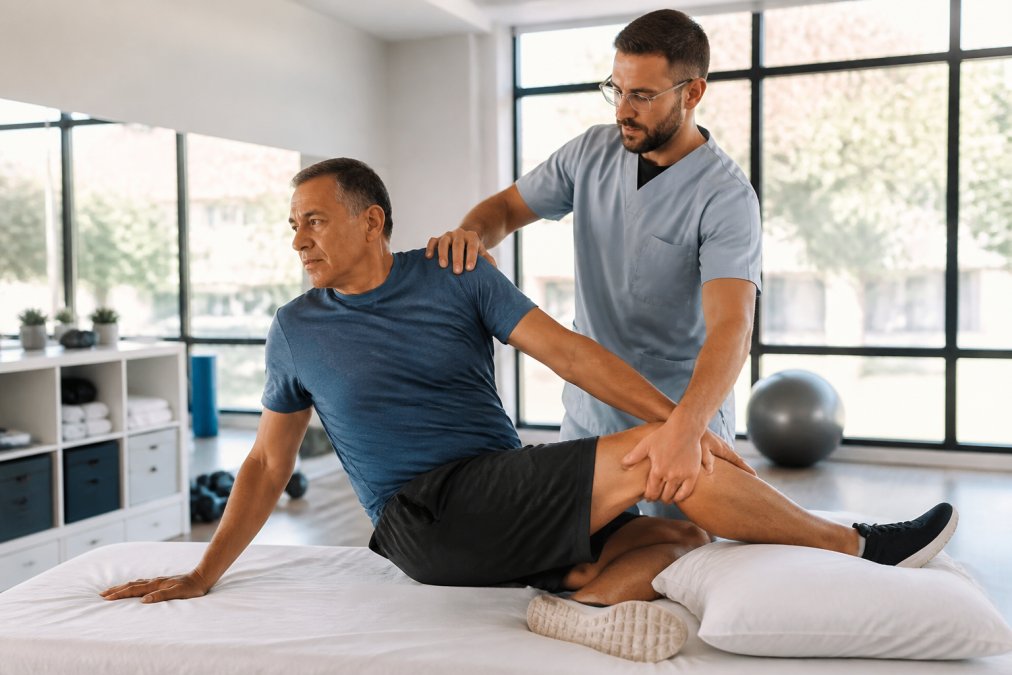
Physical therapy and therapeutic exercise rebuild strength, restore functional mobility, and interrupt the pain cycle. A physical therapist designs exercises based on your specific condition, not generic routines. For lower back pain, this might mean core stabilization work; for a shoulder injury, scapular mobility drills that restore proper mechanics.
Most people see measurable improvements within 4-6 weeks of consistent physical therapy, though meaningful pain reduction often takes 8-12 weeks. The real power emerges when exercise becomes part of your daily life. Start with just two or three exercises you can complete in 10 minutes, then add complexity as they become automatic. Building this habit takes about three weeks.
The most effective exercises are the ones you’ll actually do consistently. If a therapist gives you eight exercises and you hate five of them, ask for alternatives. Compliance beats perfection every time.
Physical rehabilitation also addresses deconditioning, the weakness that develops when pain causes reduced movement. This creates a vicious cycle: pain leads to reduced movement, which causes weakness, which makes pain worse. Breaking this cycle requires gradually increasing activity in a controlled way.
Heat and Cold Therapy: When and How to Use Each
Cold therapy reduces inflammation and numbs pain signals, working best in the first 48-72 hours after acute injury. Apply ice for 15-20 minutes at a time with at least 30 minutes between applications. Never apply ice directly to skin; wrap it in a thin cloth first.
Heat therapy increases blood flow, relaxes muscle tension, and eases stiffness. It works best for chronic pain, muscle tightness, and conditions past the acute inflammation phase. Moist heat penetrates deeper than dry heat and typically feels more comfortable. Apply heat for 15-20 minutes at a time.
The common mistake is using heat on acute injuries, which increases swelling and prolongs recovery. Similarly, using only cold on chronic muscle tension misses the benefit of improved circulation that heat provides. Some conditions benefit from contrast therapy, alternating between hot and cold, which increases circulation through a pumping action.
Ice for acute swelling and new injuries; heat for chronic stiffness and muscle tension; never apply either directly to bare skin.
TENS Unit Effectiveness for Back Pain and Other Conditions
TENS (Transcutaneous Electrical Nerve Stimulation) units are small, battery-operated devices that send mild electrical pulses through electrodes placed on your skin. The pulses are thought to block pain signals from reaching your brain based on the gate control theory of pain.
TENS unit effectiveness varies significantly between individuals. Localized, muscular pain tends to respond better than widespread neurological pain, and acute pain often responds better than long-standing pain. The practical advantage is that it’s non-invasive, drug-free, and can be used at home. Many people use TENS as a bridge strategy, it provides enough relief to make physical therapy more tolerable, which then leads to lasting improvement.
Proper electrode placement matters significantly. Electrodes should be positioned on either side of the pain area, never directly over the spine or across the chest. Higher frequencies (50-150 Hz) tend to work for acute pain, while lower frequencies (2-10 Hz) may work better for chronic pain.
The limitation of TENS is that it treats symptoms rather than addressing underlying causes. Think of it as a tool within a broader pain management strategy, not the entire strategy itself.
Manual Manipulation and Myofascial Release Techniques
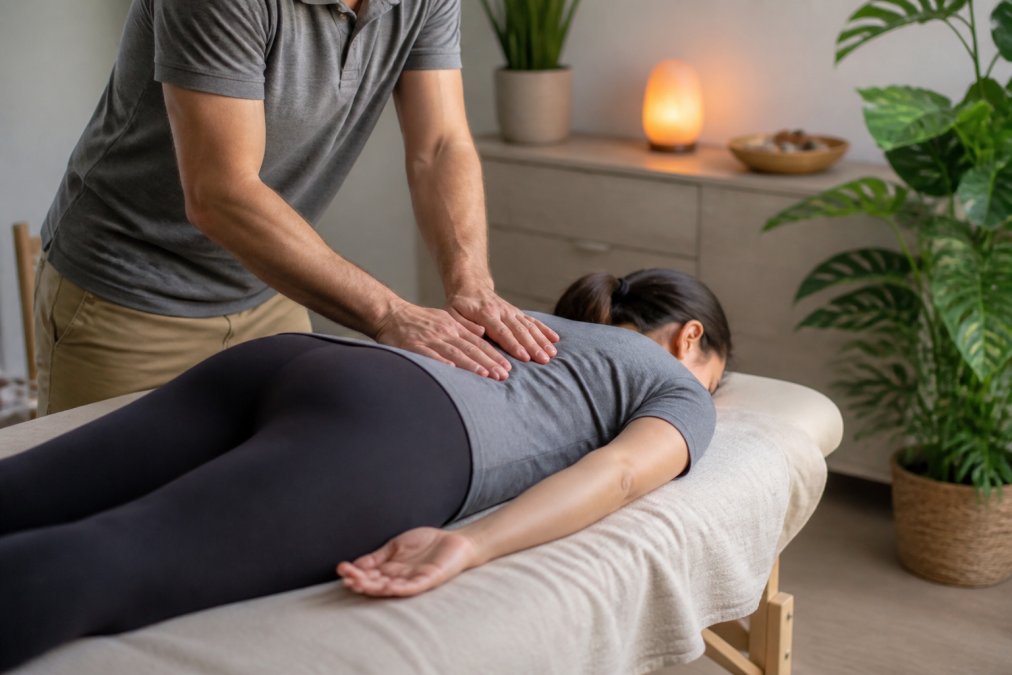
Chiropractic adjustment and osteopathic manipulation apply controlled force to joints to restore proper alignment and movement. When vertebrae become misaligned, they can restrict nerve function and cause radiating pain patterns. However, the effects are temporary if the underlying cause, usually muscle imbalance or poor ergonomics, isn’t addressed. The best practitioners combine adjustment with therapeutic exercise and ergonomic counseling.
Myofascial release targets the fascia, the connective tissue network surrounding muscles. Restriction in fascia can limit movement and create pain patterns. A common approach is using a foam roller on tight areas for 60-90 seconds per muscle group, three to four times per week. This self-myofascial release technique is accessible, affordable, and can be remarkably effective for muscle tension.
Never use myofascial release directly over bones, joints, or the spine. Focus on muscle bellies only. Aggressive self-release on the wrong tissue can cause injury.
The integration of manual therapy with exercise creates a patient-centered care approach where you learn techniques you can apply yourself, understand why your pain developed, and actively participate in preventing recurrence.
Mind-Body Techniques for Pain: Mindfulness and Stress Reduction
Chronic stress increases inflammation, tightens muscles, and amplifies pain signaling. Mindfulness-based stress reduction directly reduces pain by lowering inflammation and teaching your nervous system to respond differently to pain signals.
Mindfulness meditation trains attention by focusing on your breath and gently returning attention when your mind wanders. This strengthens your ability to regulate attention, which translates directly to better pain management. Research shows measurable improvements in pain intensity and functional mobility within 4-8 weeks of practicing 10-15 minutes daily.

Yoga combines mindfulness with therapeutic movement, emphasizing alignment, breath, and body awareness. Gentle or restorative yoga styles are particularly helpful for pain management because they build strength without aggravating symptoms. Other mind-body approaches include progressive muscle relaxation, biofeedback, and guided imagery, each activates your parasympathetic nervous system and teaches your body that it’s safe to relax.
The most powerful aspect is that these techniques are entirely within your control. A 10-minute meditation costs nothing and can be done anywhere, making them ideal for long-term pain management.
Acupuncture and Complementary Medicine Approaches
Acupuncture has moved from alternative medicine to evidence-supported complementary therapy. The practice involves inserting thin needles at specific acupuncture points. Modern neuroscience explains this through neurological mechanisms including endorphin release and changes in pain signaling pathways.
Acupuncture works for many people with chronic pain, particularly musculoskeletal pain, headaches, and arthritis. A typical course involves 6-12 sessions spaced weekly or biweekly. Like TENS units, effectiveness varies considerably between individuals. The advantage is that it’s minimally invasive and has few side effects beyond occasional mild bruising.
Other complementary approaches include herbal remedies, dietary modifications, and nutritional supplementation. Anti-inflammatory herbs like turmeric and ginger have research support for reducing pain-related inflammation. Dietary changes that reduce inflammatory foods and increase omega-3 fatty acids can support pain reduction. These work slowly and subtly, you might notice over several weeks that your pain baseline is slightly lower or that you’re sleeping better.
A holistic approach combines complementary medicine with conventional therapies. Rather than choosing between acupuncture or physical therapy, use both. Rather than choosing between medication or meditation, use medication short-term while building meditation skills for long-term management.
Building Your Integrated Non-Invasive Pain Relief Plan
The most effective non-invasive pain relief methods work together in multimodal therapy. Rather than relying on a single treatment, combine approaches that address different aspects of your pain: the structural component (exercise), the inflammatory component (heat, diet), the neurological component (TENS, acupuncture), and the psychological component (mindfulness, stress reduction).
Building an integrated plan starts with assessment. What type of pain are you experiencing? Is it localized or widespread? Did it develop acutely or gradually? How does it affect your daily activities? These questions help determine which therapies will likely help most.
The next step is prioritization. Start with two to three interventions: perhaps physical therapy twice weekly, daily stretching at home, and heat therapy as needed. Once these become routine, add other approaches.
| Component | Approach | Frequency | Expected Timeline |
|---|---|---|---|
| Movement | Physical therapy or therapeutic exercise | 2-3x per week | 4-12 weeks |
| Inflammation | Heat/cold therapy, dietary changes | Daily/as needed | 2-4 weeks |
| Neurological | TENS, acupuncture, or other neuromodulation | 2-3x per week | 4-8 weeks |
| Psychological | Mindfulness, stress reduction, or yoga | Daily | 4-6 weeks |
| Structural | Manual therapy, myofascial release | 1-2x per week | Ongoing |
Most people expect dramatic improvement within days. In reality, tissue healing takes weeks, nervous system retraining takes longer, and lasting change in pain patterns takes months. Consistency matters more than intensity, doing physical therapy exercises five minutes daily is more effective than doing them intensely once per week.
Address root causes, not just symptoms. If your pain stems from poor posture at a desk, the most important intervention is ergonomic adjustment combined with postural strengthening. If stress is amplifying your pain signals, mindfulness becomes a core component. If inflammation is the primary driver, anti-inflammatory approaches become priorities.
At Holistic & Wellness Medicine, the integrated approach combines chiropractic care, functional medicine, massage therapy, natural medicine, and yoga into a unified plan. Rather than receiving isolated treatments, you work with a team that understands how each component supports the others. This coordinated approach produces results that individual therapies alone cannot achieve.
The final component is self-management skills. Learn exercises you can do at home, understand what triggers your pain, recognize early warning signs, and know how to adjust your approach when pain increases. This empowerment creates lasting resilience rather than dependence on external treatments.
Living with chronic pain doesn’t require accepting invasive treatments or permanent medication dependence. Non-invasive pain relief methods offer effective alternatives that address underlying causes while building long-term resilience. The challenge is moving beyond symptom management to root-cause healing, which requires an integrated approach combining movement, manual therapy, mind-body techniques, and lifestyle modifications. Holistic & Wellness Medicine specializes in this integrated approach, combining chiropractic care, functional medicine, massage therapy, and yoga into coordinated treatment plans that address the body, mind, and spirit as a unified whole. Their evidence-based, non-invasive therapies help you restore balance and build the long-term resilience that allows pain to become manageable rather than life-defining. Start your wellness journey today and discover how an integrated approach can transform your relationship with pain.
Frequently Asked Questions
What are the most effective non-invasive pain relief methods?
The most effective approaches combine multiple therapies tailored to your specific condition. Physical therapy, heat and cold therapy, TENS units, manual manipulation, mindfulness-based stress reduction, and acupuncture have all shown effectiveness for different types of chronic pain. An integrated approach that addresses pain signaling, muscle tension, stress, and functional mobility typically produces better long-term results than any single method alone. Working with a qualified healthcare provider to create a personalized multimodal therapy plan ensures you're addressing the root causes of your pain, not just masking symptoms.
How does TENS unit effectiveness for back pain compare to other methods?
TENS (Transcutaneous Electrical Nerve Stimulation) units work by delivering mild electrical pulses that may interrupt pain signaling and stimulate muscle contraction. They're most effective for localized back pain and work best when combined with other therapies like physical therapy and stretching. TENS units offer convenience and cost-effectiveness for home-based pain management, but they work better for some people than others. They're typically used alongside other non-invasive methods rather than as a standalone solution, especially for chronic pain requiring long-term management.
Can benefits of physical therapy for chronic pain be sustained long-term?
Yes, physical therapy can produce lasting benefits when combined with ongoing therapeutic exercise and lifestyle modifications. Physical rehabilitation focuses on restoring functional mobility, strengthening supporting muscles, and improving movement patterns that reduce pain recurrence. The key is consistency: patients who maintain an exercise routine after formal therapy sessions typically experience sustained pain reduction. An integrated approach that includes ergonomic adjustments, regular movement, and stress management helps prevent pain from returning, addressing the underlying causes rather than temporary symptom relief.
What's the cost-benefit of non-invasive methods compared to invasive procedures?
Non-invasive pain management typically involves lower upfront costs and minimal recovery time compared to surgical interventions, though pricing depends on the specific treatments and frequency needed. More importantly, non-invasive methods allow you to remain active during treatment and avoid surgical risks. Many people find that a well-designed multimodal therapy plan prevents the need for invasive procedures altogether. For accurate pricing information on integrated non-invasive care, consult directly with your healthcare provider or wellness practice to understand costs for your specific situation.
How do I overcome psychological barriers to non-invasive pain treatment?
Many people struggle with skepticism when symptoms persist despite multiple treatments. Common barriers include doubt about non-invasive effectiveness, frustration with slow progress, and difficulty committing to lifestyle changes. Addressing these requires understanding that chronic pain involves pain modulation in the nervous system, not just tissue damage. Starting with one or two methods you feel confident about, tracking measurable improvements in functional mobility, and working with a patient-centered care team that explains the science behind each therapy helps build confidence. Setting realistic expectations and celebrating small wins supports long-term adherence.
Can non-invasive pain relief methods be integrated with my current healthcare?
Absolutely. Non-invasive pain management works well alongside conventional medical care. Many functional medicine and holistic practitioners coordinate with your primary care doctor to ensure all treatments complement each other. An integrated approach means your physical therapy, acupuncture, stress management, and other therapies work together as part of a comprehensive pain management protocol. Communication between your care providers ensures nothing conflicts and that your treatment plan addresses all aspects of your pain, from physical symptoms to stress and lifestyle factors affecting your condition.
This article was written using GrandRanker


5 Natural Remedies for Anxiety and Stress at Home
Discover 5 natural remedies for anxiety and stress at home, from breathing exercises to herbal supplements. Learn how functional medicine can help. Start.

How to Improve Posture to Reduce Pain: A 2026 Guide
Learn how to improve posture to reduce pain with exercises, stretches, and ergonomic tips. Discover a holistic approach to lasting relief. Start today.

How to Treat Adrenal Fatigue Without Medication
Learn how to treat adrenal fatigue without medication using diet, stress management, and natural supplements. Discover practical steps to restore.