Table of Contents
- Compare the Best Non-Invasive Pain Treatments in San Antonio
- 1. Holistic & Wellness Medicine: Root Cause Healing
- 2. Airrosti Stevens Ranch: Manual Therapy for Soft Tissue Pain
- 3. University Health Pain Management: Medically Supervised Rehab
- 4. Spine and Pain Center of San Antonio: Conservative Spinal Care
- 5. The PainSmith: Targeted Nerve Pain Relief
- Why Choose Non-Invasive Treatments? The Benefits of Chiropractic Care for Pain
- How to Choose a Pain Management Clinic in San Antonio
- Frequently Asked Questions
Last Updated: September 7, 2026
Chronic pain affects millions of Americans, and the search for lasting relief often leads to surgery or a lifetime of medication. Yet a growing number of San Antonio residents are discovering that non-invasive pain treatments offer a credible third path. At Holistic & Wellness Medicine, we help patients understand which options genuinely address the root of their discomfort rather than simply masking it.
No single clinic fits every patient. Some excel at hands-on musculoskeletal care, while others specialize in interventional procedures. The right choice depends on your diagnosis, your tolerance for active participation in recovery, and whether you want to address underlying drivers of inflammation and tension.
Compare the Best Non-Invasive Pain Treatments in San Antonio
Choosing among non-invasive pain treatments in San Antonio comes down to matching your condition to a clinic’s core competency. The table below summarizes the landscape before we examine each provider in detail.
| Provider | Primary Approach | Best For | Key Limitation |
|---|---|---|---|
| Holistic & Wellness Medicine | Integrated chiropractic, functional medicine, massage, yoga | Root cause healing and whole-body resilience | Requires commitment to lifestyle changes |
| Airrosti Stevens Ranch | Manual therapy and active rehab | Soft tissue injuries and musculoskeletal pain | Demands active patient participation |
| University Health Pain Management | Medically supervised rehab and interventional care | Chronic conditions needing clinical oversight | Specialist availability varies |
| Spine and Pain Center of San Antonio | Conservative spinal care and injections | Spinal pain without surgery | Some procedures need follow-ups |
| The PainSmith | Radiofrequency ablation and nerve blocks | Chronic nerve-related pain | Procedure-specific recovery time |
1. Holistic & Wellness Medicine: Root Cause Healing
Our top pick for non-invasive pain treatments is Holistic & Wellness Medicine, and the reason comes down to philosophy. Rather than treating pain as an isolated symptom to be suppressed, this practice investigates why the pain exists in the first place. The integrated care team works from a unified treatment plan that addresses musculoskeletal alignment, stress, and inflammation together.

What sets our model apart is the emphasis on patient education and self-management, combining evidence-based manual therapy with functional medicine to uncover underlying drivers such as dietary triggers or hormonal imbalances that perpetuate pain.
What Makes Their Integrated Care Model Different
Holistic & Wellness Medicine builds a personalized treatment plan that might combine chiropractic care with massage therapy and stress-reduction techniques like yoga. This matters because chronic pain rarely has a single cause. Addressing multiple aspects simultaneously can contribute to longer-lasting results.
The most effective non-invasive pain treatments address the underlying drivers of pain, not just the symptom. Look for a provider who explains why you hurt and gives you tools to prevent recurrence.
2. Airrosti Stevens Ranch: Manual Therapy for Soft Tissue Pain
For patients with specific musculoskeletal injuries, Airrosti Stevens Ranch offers a focused, hands-on approach. Their providers use targeted manual therapy to break up soft tissue dysfunction, followed by active rehab exercises. This is a highly effective model for conditions like plantar fasciitis, IT band syndrome, or acute muscle strains.
The tradeoff is that this approach requires significant patient buy-in, you are expected to perform rehab exercises between visits, and success depends heavily on your consistency. If you are motivated, the focus on functional recovery can produce excellent outcomes without drugs or surgery.
3. University Health Pain Management: Medically Supervised Rehab
When your pain stems from a complex chronic condition like arthritis or degenerative disc disease, the medically supervised environment at University Health Pain Management provides a safety net that standalone clinics cannot match, integrating rehabilitation therapy with access to multidisciplinary specialists.
The strength here is diagnostic capability, if your condition is not yet fully understood, this setting offers comprehensive imaging and testing to clarify the diagnosis before treatment begins. The limitation is accessibility: because they operate as a large medical system, the experience can feel less personalized than a smaller practice.
4. Spine and Pain Center of San Antonio: Conservative Spinal Care
Spinal pain is the most common reason patients seek non-invasive pain treatments, and the Spine and Pain Center of San Antonio has built its practice around conservative spinal care. Their philosophy prioritizes non-surgical options first, offering a spectrum that includes physical therapy, targeted injections, and minimally invasive procedures.
What makes this clinic valuable is its willingness to escalate care gradually. A patient with a mild disc bulge might start with conservative management and manual therapy. If that does not provide adequate relief, the clinic can move to fluoroscopy-guided epidural steroid injections. This stepwise approach ensures you are not jumping to aggressive interventions prematurely.
5. The PainSmith: Targeted Nerve Pain Relief
For chronic nerve-related pain that has not responded to conservative care, The PainSmith specializes in interventional techniques like radiofrequency nerve ablation. This outpatient procedure uses heat to temporarily disable specific nerves transmitting pain signals, offering an alternative to long-term medication use.
The key advantage here is precision. Using imaging guidance, the physician can target the exact nerve responsible for your pain. This is particularly effective for conditions like facet joint arthritis or neuropathic pain. The tradeoff is that the procedure requires a recovery period, and the relief, while substantial, is not necessarily permanent.
Radiofrequency ablation and epidural steroid injections are medical procedures, not wellness treatments. They require a formal diagnosis and should only be performed by a qualified physician after imaging confirms the pain source.
Why Choose Non-Invasive Treatments? The Benefits of Chiropractic Care for Pain
The case for non-invasive pain treatments goes beyond avoiding surgery. For many musculoskeletal conditions, chiropractic care offers measurable benefits in restoring joint mobility and reducing pain without the risks associated with anesthesia or post-surgical complications. The benefits of chiropractic care for pain include improved range of motion, reduced muscle tension, and better nervous system function.
Research on conservative management for low back pain supports a first-line approach that includes spinal manipulation and active exercise before considering more invasive options. According to clinical guidelines from the American College of Physicians, physicians should first recommend non-drug, non-invasive therapies for acute and chronic low back pain before turning to medication or surgery. This aligns with a broader shift in pain medicine toward conservative management and functional restoration.
Recovery Timelines: What to Expect Before You Commit
While every patient responds differently, a common pattern emerges across manual therapy and chiropractic care:
- Initial relief (days 1-3): Many patients report a noticeable reduction in muscle spasm and improved mobility within the first few sessions. This is often due to neuromuscular reflex changes and reduced joint inflammation.
- Functional gains (weeks 2-6): Sustained improvement typically requires 6-12 visits over 3-6 weeks. During this phase, the focus shifts from passive relief to active rehabilitation, strengthening the muscles that support the spine or joint.
- Maintenance phase (months 2-6): Once acute symptoms subside, the goal is preventing recurrence. This may involve monthly tune-up visits, a home exercise program, or ergonomic adjustments at work.
Patients who attend fewer than four visits often see temporary relief, while those who complete a full care plan, including prescribed exercises, report longer-lasting outcomes.
The Home-Based First-Line Defense: What You Can Do Today
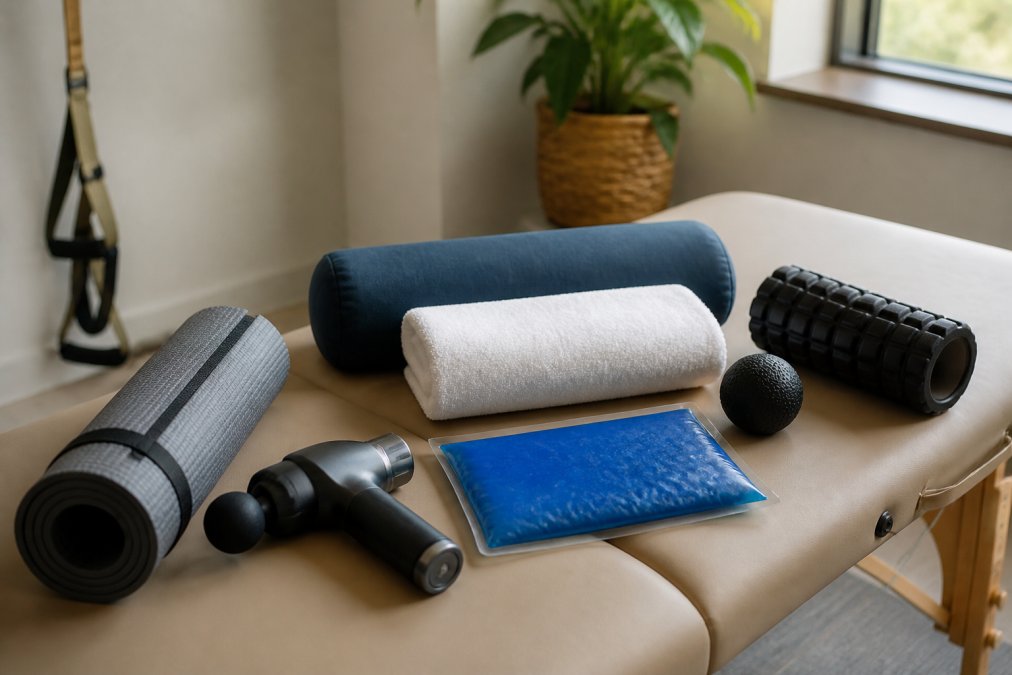
Before you book a clinical appointment, there are evidence-informed steps you can take at home. These are not replacements for professional care but can serve as a first-line defense or complement to your treatment plan:
Start your wellness journey today! →
- TENS units (Transcutaneous Electrical Nerve Stimulation): A TENS unit delivers low-voltage electrical currents through adhesive pads placed on the skin. It works by activating descending inhibitory pathways in the spinal cord, effectively “gating” pain signals. Over-the-counter units range from $30 to $100 at major retailers like CVS or Walgreens. Most practitioners recommend using it for 20-30 minute sessions, up to three times daily, for acute flare-ups. It is not a cure but can reduce reliance on oral pain relievers.
- Ergonomic adjustments: For desk workers, a common pattern is that lower back pain worsens after prolonged sitting. Adjusting your chair so your hips are slightly higher than your knees, placing a lumbar roll at the curve of your lower back, and positioning your monitor at eye level can reduce spinal loading by up to 40% during seated work. Simple changes often yield noticeable improvement within two weeks.
- Targeted stretching and mobility work: For non-specific low back pain, gentle McKenzie-style extension exercises (lying on your stomach and propping up on your elbows) can centralize pain and reduce radiating symptoms. For neck pain, chin tucks performed 10 times every hour can counteract forward-head posture. Consistency matters more than intensity.
If you are considering a TENS unit, check with your insurance provider, some plans cover the device under durable medical equipment (DME) benefits with a prescription. Otherwise, a basic unit is a low-cost investment worth trying before more expensive interventions.
Patient Selection Criteria: Which Conditions Respond Best to Chiropractic Care?
Chiropractic care is not a one-size-fits-all solution. Understanding which conditions respond best helps you set realistic expectations:
- Highly responsive: Acute low back pain (less than 4 weeks duration), neck pain from whiplash or poor posture, tension-type headaches, and sacroiliac joint dysfunction. A 2023 analysis of clinical trials found that spinal manipulation for acute low back pain produced moderate improvements in pain and function at 4 weeks compared to sham treatment.
- Moderately responsive: Chronic low back pain (greater than 12 weeks), cervicogenic dizziness, and some forms of sciatica where the nerve root is not severely compressed. These cases often require a longer care plan and combination with exercise therapy.
- Poorly responsive (refer out): Pain caused by fracture, tumor, infection, or cauda equina syndrome (a surgical emergency). Also, patients with severe osteoporosis or inflammatory arthritis like ankylosing spondylitis may need medical management first. A thorough history and physical exam should screen for these red flags before any manipulation.
Patients with radicular symptoms, pain, numbness, or tingling that travels below the knee, need imaging to rule out disc herniation before manual therapy is safe. If your provider does not order imaging when indicated, seek a second opinion.
Cost Transparency and Insurance Navigation
Chiropractic and manual therapy coverage varies widely by plan:
- Medicare Part B covers medically necessary chiropractic adjustments (spinal manipulation) but does not cover massage therapy, acupuncture, or functional medicine testing. You are responsible for the 20% coinsurance after the Part B deductible.
- Private insurance (e.g., Blue Cross Blue Shield of Texas, UnitedHealthcare): Most PPO plans cover 12-20 chiropractic visits per year, but many require prior authorization after the first few visits. Copays typically range from $20-$50 per visit. Massage therapy is rarely covered unless it is part of a physical therapy plan.
- Out-of-pocket costs: If you are uninsured or your plan does not cover chiropractic care, costs can vary. Many clinics offer discounted packages, which can reduce the per-visit cost.
Before your first appointment, call your insurance company and ask three questions: (1) Are chiropractic adjustments covered? (2) How many visits per year are allowed? (3) Is a referral or prior authorization required? Get the answer in writing via email or a reference number to avoid surprise bills.
How to Choose a Pain Management Clinic in San Antonio
Choosing the right clinic requires honest self-assessment of your condition and your goals. If you have not had imaging or a clinical evaluation, a medically supervised setting with diagnostic capabilities is the safer starting point. If you already know you have a soft tissue injury or postural strain, a manual therapy or chiropractic practice may resolve it faster.
Consider your willingness to participate in your own recovery. Clinics that emphasize active rehab and lifestyle modification typically produce longer-lasting results, but they require consistency. As documented in research on patient engagement and pain outcomes, patients who actively participate in their treatment plan report better functional outcomes than those who expect passive relief. Be honest about whether you will commit to exercises, dietary changes, or stress management practices.
When evaluating a pain management clinic, ask three questions: What is the expected timeline for improvement? What will I need to do between visits? And how will we measure whether the treatment is working? A clinic that cannot answer all three clearly is not offering a comprehensive plan.
Finally, verify insurance coverage and cost transparency before committing. Interventional procedures like epidurals or radiofrequency ablation are typically billed through medical insurance, while services like massage therapy or wellness coaching may not be covered. According to guidance on understanding health insurance coverage for pain treatment, it is essential to confirm what your plan covers for specialist visits, imaging, and procedures to avoid unexpected out-of-pocket costs. A clinic that offers a clear breakdown of expected costs and works with your insurer demonstrates a patient-centered approach.
A Condition-Based Decision Framework
The most common mistake patients make is choosing a clinic based on reputation or convenience rather than matching their specific diagnosis to the right treatment modality. Use this framework:
If your pain is primarily muscular or soft tissue-related (e.g., a hamstring strain, plantar fasciitis, or IT band syndrome), a manual therapy practice like Airrosti Stevens Ranch is often the fastest path. Their providers use targeted soft tissue work followed by active rehab exercises. Expect 3-6 visits over 2-4 weeks. The key question to ask: “Will I receive a specific exercise program to do at home between visits?”
If your pain is joint-related or involves restricted mobility (e.g., facet joint stiffness, sacroiliac joint dysfunction, or postural strain), chiropractic care with spinal manipulation is a strong first-line option. Look for a provider who combines adjustments with soft tissue work and gives you ergonomic guidance. Ask: “How many visits do you anticipate, and what is the expected timeline for functional improvement?”
If your pain is nerve-related (e.g., radiating pain, numbness, tingling, or burning), you need a clinic with diagnostic capability. University Health Pain Management or Spine and Pain Center of San Antonio can perform imaging and electrodiagnostic studies to identify the nerve root or peripheral nerve involved. If conservative care fails, they can escalate to fluoroscopy-guided epidural steroid injections or radiofrequency ablation. Ask: “What imaging will you use to confirm the source of my nerve pain before recommending a procedure?”
If your pain is chronic and diffuse (e.g., fibromyalgia, chronic widespread pain, or pain with no clear structural cause), a functional medicine approach that addresses inflammation, sleep, and stress, like the one at Holistic & Wellness Medicine, may be more effective than repeated injections or adjustments alone. Ask: “What laboratory testing or lifestyle assessment will you use to identify underlying drivers of my pain?”
The Cost Reality Check: What to Expect Out of Pocket
Cost is often a consideration for treatment. Pricing for various treatments can vary significantly depending on the clinic and your insurance coverage.
Before scheduling any interventional procedure, ask the clinic for a “Good Faith Estimate” (required under the No Surprises Act) that itemizes the physician fee, facility fee, and anesthesia costs. This protects you from unexpected balance billing.
Red Flags to Avoid in Any Clinic
Watch for these warning signs during your initial consultation:
- Pressure to sign up for long treatment packages before a diagnosis is confirmed. A legitimate clinic will offer a trial of care (e.g., 2-4 visits) and reassess your progress.
- Inability to explain why a treatment works. If a provider cannot describe the mechanism of action in plain language, they may not understand it themselves.
- No mention of home exercises or lifestyle factors. Passive-only care (adjustments or injections without any active component) produces shorter-lasting results for most musculoskeletal conditions.
- Refusal to coordinate with your primary care physician. If your pain is complex or you have comorbidities, your pain specialist should communicate with your PCP.
The Decision Matrix: Matching Your Profile to a Provider
| Your Situation | Best Starting Point | What to Ask | Expected Timeline |
|---|---|---|---|
| Acute muscle strain (sports injury) | Airrosti Stevens Ranch | “Will I get a home exercise program?” | 2-4 weeks |
| Chronic low back pain without leg symptoms | Holistic & Wellness Medicine or Spine and Pain Center | “What is your stepwise approach before injections?” | 4-8 weeks |
| Sciatica with leg pain or numbness | University Health Pain Management | “Will you order an MRI before any procedure?” | 2-6 weeks for diagnosis; 4-12 weeks for treatment |
| Facet joint arthritis confirmed by imaging | The PainSmith | “How many nerve levels will you treat, and what is the expected duration of relief?” | 1-2 weeks recovery; 6-12 months relief |
| Fibromyalgia or widespread pain | Holistic & Wellness Medicine | “What functional medicine testing do you offer?” | 8-16 weeks for lifestyle-based protocol |
For those seeking a comprehensive, root-cause approach that integrates chiropractic care, functional medicine, and bodywork, Holistic & Wellness Medicine offers the most complete non-invasive pain treatment model in San Antonio.
Frequently Asked Questions
What are the most effective non-invasive pain treatments available?
Effective options in San Antonio include chiropractic care, functional medicine, manual therapy, and targeted injection therapies. The most effective approach depends on your condition’s root cause. For chronic, whole-body pain, an integrative approach that combines several therapies often delivers more lasting relief than a single treatment. A thorough evaluation helps determine which combination addresses your specific drivers of pain.
How does functional medicine support chronic pain relief?
Functional medicine looks for the underlying imbalances that drive chronic pain, such as inflammation, nutritional deficiencies, or hormonal issues. Instead of just treating the symptom, practitioners use advanced testing to find the root cause. This approach is central to integrative medicine for chronic pain, as it creates a personalized plan that may include diet changes, supplements, and stress management to reduce inflammation and support the body’s natural healing.
Can chiropractic care help with long-term pain management?
Chiropractic care can be a cornerstone of long-term pain management, but its success depends on the approach. The benefits of chiropractic care for pain come from correcting spinal misalignments that cause nerve irritation. For lasting results, adjustments are often paired with rehabilitative exercises, massage, and lifestyle advice. This combination helps strengthen supporting muscles and prevents the issue from returning.
How do I find a reputable integrative medicine clinic for pain?
When choosing a pain management clinic, look for one that prioritizes a thorough initial evaluation to identify the root cause of your pain. Ask about their approach: do they offer a coordinated team, like chiropractors and functional medicine practitioners, who communicate with each other? Check their credentials and experience with your specific condition. A clinic focused on patient education and long-term resilience, rather than just quick fixes, is often a strong choice.
What is the actual cost of these treatments, and will insurance cover them?
Pricing varies significantly by clinic and treatment type, so it is best to contact each provider directly for current rates and payment options. Some clinics operate on a fee-for-service model, while others are insurance-based. Before your first visit, confirm whether the clinic accepts your insurance and what your deductible or copay might be. Also ask about the estimated number of sessions needed, so you can plan the full scope of your care.


5 Natural Remedies for Anxiety and Stress at Home
Discover 5 natural remedies for anxiety and stress at home, from breathing exercises to herbal supplements. Learn how functional medicine can help. Start.

How to Improve Posture to Reduce Pain: A 2026 Guide
Learn how to improve posture to reduce pain with exercises, stretches, and ergonomic tips. Discover a holistic approach to lasting relief. Start today.

How to Treat Adrenal Fatigue Without Medication
Learn how to treat adrenal fatigue without medication using diet, stress management, and natural supplements. Discover practical steps to restore.