Last Updated: November 13, 2026
Quick Summary
Natural remedies for neck strain and muscle tightness include ice for the first 48 hours, then heat, plus gentle daily stretches held 15-20 seconds. Fix your desk, pillow and sleep position to prevent recurrence, and seek care if pain lasts beyond a couple of weeks.
- Ice a fresh strain for 15 minutes several times a day during the first 48 hours.
- Switch to heat for 15-20 minutes after 48 hours to relax tight muscles.
- Hold each gentle neck stretch, such as chin tucks and side tilts, for 15-20 seconds.
- Take a movement break every 30-45 minutes and keep your screen at eye level.
- Most mild neck strains improve within a few days to a couple of weeks.
Table of Contents
- Why Neck Strain and Muscle Tightness Happen
- Heat or Ice for Neck Strain: Which to Use First
- Gentle Neck Stretches for Pain Relief You Can Do at Home
- How Long Does a Pulled Neck Muscle Take to Heal?
- Massage, Acupressure, and Epsom Salt Baths for Muscle Knots
- Posture, Ergonomics, and Sleep Setup to Prevent Recurrence
- When to Seek Care for Neck Pain
- Building a Root-Cause Plan with Holistic & Wellness Medicine
- Frequently Asked Questions
Why Neck Strain and Muscle Tightness Happen
Most neck pain isn’t a mystery. It’s the result of small, repeated stresses that pile up over days and weeks. The pattern is common: the neck stiffens, the shoulders creep up, and by the end of the week the whole upper back can feel locked.
Natural remedies for neck strain and muscle tightness work best when you understand what’s actually irritated. Neck strain is an injury to the muscles or tendons that support the neck, usually from overuse or sudden movement. Muscle tightness is a related but different problem: sustained tension that reduces blood flow and makes tissue feel rope-like to the touch.
Common Causes of Neck Pain or Stiffness
The usual suspects are predictable:
- Poor desk posture. Hours with your head forward strain the neck muscles.
- Sleeping wrong. A pillow that’s too high or too flat twists the neck for hours.
- Sudden movement. Whiplash-type jolts from a fall or quick turn.
- Repetitive strain. Cradling a phone or staring down at a screen.
- Stress. Emotional tension shows up physically in the neck and shoulders.
Watch out: if stiffness arrives with numbness, weakness, or pain shooting down an arm, that’s not routine strain. Get it checked.
Heat or Ice for Neck Strain: Which to Use First
A common approach is to use cold first for a fresh strain, then switch to heat once the sharp, swollen phase passes. Cold is often used in the first 48 hours to help calm inflammation. Heat is often used afterward to relax tight muscles. This single rule prevents a lot of confusion, because people often reach for a heating pad on a brand-new injury, which can make swelling worse.
A practical way to think about it is a staged plan rather than a single choice. The first few days matter most, and the sequence below helps you avoid overdoing either one.
Ice Therapy and Cold Packs for the First 48 Hours
Cold therapy is your first move after a strain. Apply an ice pack wrapped in a thin towel for 15 minutes at a time, several times a day, with at least an hour between sessions. Never put ice directly on skin.
Cold exposure can narrow blood vessels and numb irritated tissue, which many people find eases pain and swelling. Keep sessions short and take breaks between them. A bag of frozen peas wrapped in a cloth works as well as a commercial pack.
Heat Therapy and Warm Compresses for Muscle Tightness
After the first two days, switch to warmth. A heating pad, warm compress, or warm towel relaxes muscle tension and improves circulation. Use it for 15-20 minutes, several times a day, and keep a cloth layer between the heat and your skin.
Many people find warmth helpful for the dull, achy stiffness that lingers, and it can make gentle stretching feel easier. A warm shower before stretching is a simple way to get the same effect.
Watch out: don’t fall asleep on a heating pad or use heat on skin that is numb, already red, or has poor circulation, prolonged heat on skin you can’t fully feel is a common cause of burns.
A Staged First 72-Hour Plan
Rather than guessing day to day, follow a simple sequence:
- Hours 0-48: Ice for 15 minutes several times a day, relative rest, and avoid heavy lifting or awkward twisting. Keep moving gently within comfort.
- Hours 48-72: Switch to heat for 15-20 minutes before gentle range-of-motion movement. Add short walks to keep circulation moving.
- After 72 hours: Favor heat and gentle stretching, and begin a gradual return to normal activity. If pain is worsening instead of easing, that’s a signal to get evaluated rather than push through.
The goal at every stage is gentle movement, not total bed rest. Extended stillness can leave muscles feeling tighter, so short walks and controlled stretching may support recovery.
Follow this staged sequence to know whether to reach for cold or heat as a strain settles.
| Stage | What to do | Time or frequency |
|---|---|---|
| Hours 0-48 | Ice wrapped in a thin towel, relative rest, gentle movement | 15 minutes, several times a day |
| Hours 48-72 | Switch to heat before gentle range-of-motion movement | 15-20 minutes |
| After 72 hours | Favor heat and gentle stretching, gradual return to activity | Not specified |
Gentle Neck Stretches for Pain Relief You Can Do at Home
Gentle neck stretches for pain relief work by restoring range of motion without forcing irritated tissue. Move slowly, stop at the first sign of sharp pain, and never bounce.
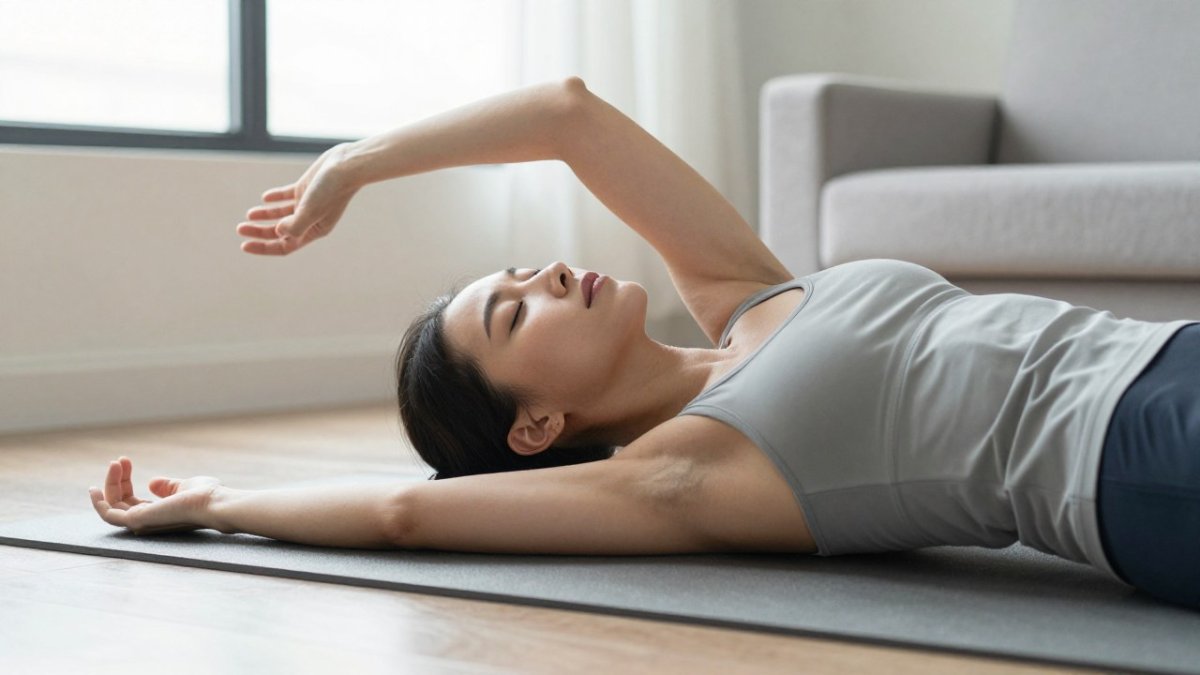
Try this simple sequence, holding each stretch for 15-20 seconds:
- Chin tuck. Gently pull your chin straight back, like making a double chin.
- Side tilt. Lower one ear toward your shoulder, then switch sides.
- Toward stretch. Turn your head slowly to look over one shoulder, then the other.
- Towel stretch. Loop a towel behind your neck and use light resistance as you tilt.
Do these several times a day. If you want to build the muscles that support your neck, add exercises to strengthen upper back muscles between stretch sessions.
Range-of-Motion and Mobility Exercises
Slow, controlled movement through your full comfortable range is the goal. Combine it with short walks to keep the body moving.
How Long Does a Pulled Neck Muscle Take to Heal?
Most mild neck strains improve within a few days to a couple of weeks with rest and home care. A more significant strain can take several weeks to fully settle.
The key is gentle movement, not total bed rest. Prolonged stillness makes muscles tighter. Short walks and controlled stretching help recovery along. If pain hasn’t eased after a couple of weeks, or keeps returning, that’s a sign to look deeper at the cause.
Massage, Acupressure, and Epsom Salt Baths for Muscle Knots
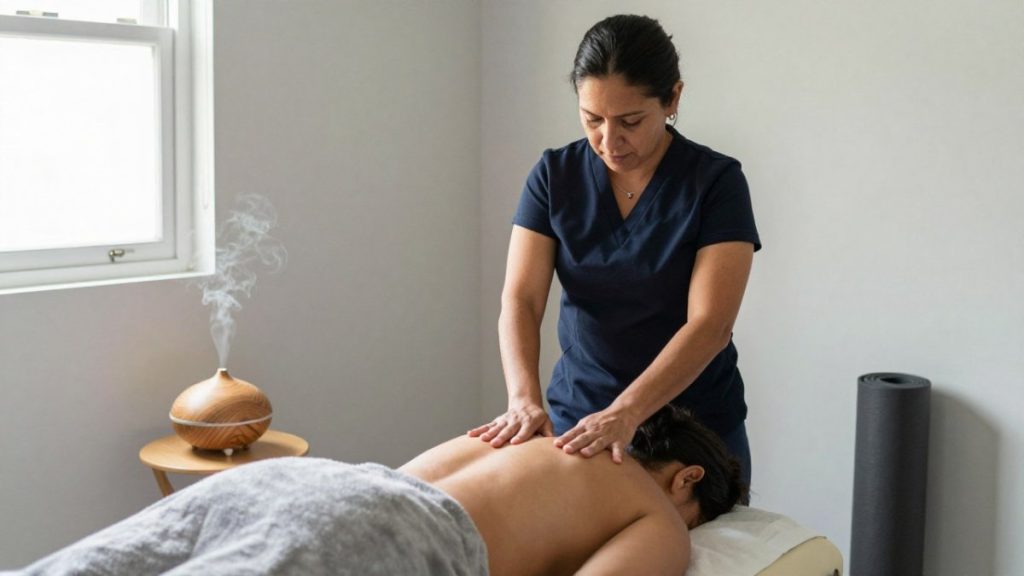
Hands-on therapies target the muscle knots and tension that stretching alone can miss. Massage is commonly used to ease tight muscle tissue, and acupressure applies steady pressure to specific points.
Some people find a warm Epsom salt bath comforting for tight muscles. These are comfort measures, not cures, so pair them with movement and posture work. If you’re weighing hands-on options, it helps to understand whether acupuncture is effective for long-term pain relief before committing.
Posture, Ergonomics, and Sleep Setup to Prevent Recurrence
Prevention comes down to your setup, not willpower. Fix the desk, the pillow, and the daily habits, and the neck stops getting re-irritated. Many people address a flare-up and then return to the same setup, which can allow the stiffness to come back.
Desk and Workstation Setup
For desk workers, the goal is a screen at eye level, feet flat, and elbows near 90 degrees. Keep the monitor about an arm’s length away so you aren’t craning forward. If you use a laptop for long stretches, a separate keyboard and a stand that raises the screen to eye level make the biggest difference.
Take a movement break every 30-45 minutes, stand, roll your shoulders, and do a few slow chin tucks. Set a timer if you tend to lose track of time. A phone propped at eye level beats cradling it between your ear and shoulder.
Sleep Position and Pillow Support
At night, use a pillow that keeps your neck in a neutral line, not propped too high or too flat. Back sleepers generally do best with a pillow that supports the natural curve of the neck without pushing the head forward. Side sleepers need enough height to keep the head level with the spine, which often means a firmer pillow or a contoured one. Stomach sleeping twists the neck for hours and is the position most likely to leave you waking up stiff.
Watch out: a pillow that’s too high or too flat is one of the most common causes of waking with a stiff neck, so if you regularly wake up tight, change the pillow before assuming something more serious is going on.
Daily Habits That Reduce Recurrence
Small, repeated stresses can add up over time, so small, regular counter-movements are a useful approach. Build in gradual exercise rather than weekend bursts, keep up daily movement like walking, and avoid long stretches in any one position. If you want the step-by-step version, two guides make this practical: how to sit at a desk properly and how to set up a healthy home office environment. Both walk through the adjustments in detail.
When to Seek Care for Neck Pain
Seek care promptly if neck pain follows a fall or accident, or comes with numbness, weakness, or shooting arm pain. Those signs point to nerve involvement, not simple strain.
Also get evaluated for:
- Pain that persists beyond a couple of weeks
- Severe stiffness with fever or headache
- Trouble moving your neck at all
- Symptoms that keep returning after home care
A qualified professional can tell the difference between routine strain and something that needs more attention.
Building a Root-Cause Plan with Holistic & Wellness Medicine
Home remedies can help with a flare-up. Persistent tightness may be worth exploring at its underlying causes, which is why some people find recurring symptoms frustrating.
Holistic & Wellness Medicine takes an integrated approach, combining chiropractic care, functional medicine, massage therapy, natural medicine, and yoga, and focuses on understanding underlying drivers with each patient as a partner.
If you’re ready to go deeper, learn what a holistic wellness program involves and how to start.
Neck strain and tightness rarely have one single fix. The pattern of recurrence usually points to posture, sleep setup, and stress that never got addressed. We can help you find those drivers and build a plan that holds.
Frequently Asked Questions
What natural remedies help with neck strain and muscle tightness?
Start with cold therapy for the first 24 to 48 hours, then switch to heat to relax tight muscles. Gentle neck stretches, controlled range-of-motion exercises, and short walks keep the area moving without overloading it. Massage, acupressure, and warm Epsom salt baths can ease muscle knots and tension. Fixing your sleep setup and desk posture reduces the chance of the tightness returning. If pain lasts more than a week or comes with numbness or weakness, see a clinician.
Should I use heat or ice for a strained neck?
Use an ice pack for 15 to 20 minutes at a time during the first 24 to 48 hours to calm inflammation and irritated tissues. After that window, switch to heat therapy, such as a heating pad or warm compress, for 15 to 20 minutes several times a day to improve circulation and loosen muscle tension. Never apply either directly to bare skin, and avoid heat if the area is swollen or you have reduced sensation.
How long does a pulled neck muscle take to heal?
Recovery time varies. Many mild strains settle with rest, gentle movement, and home care, while more stubborn cases can take longer. If pain is not easing or is getting worse, speak with a qualified healthcare professional for an evaluation.
When should I see a doctor for neck pain or stiffness?
Seek care promptly if neck pain follows a fall or accident, comes with arm numbness, weakness, or tingling, or is paired with fever, severe headache, or loss of bladder control. Also get checked if stiffness lasts more than a week, keeps you from sleeping, or returns repeatedly. Routine muscle strain usually settles with home care, but those red flags need a professional evaluation to rule out nerve or structural problems.