Last Updated: November 3, 2026
Quick Summary
At-home stress relief after acupuncture works best when you rest briefly, drink water, and avoid intense workouts, alcohol, and screens for the rest of the day. Simple practices like acupressure, slow breathwork, gentle walking, and a warm Epsom salt soak help extend the calm your session started.
- Many after-acupuncture side effects, like fatigue and mild soreness, are mild and tend to pass within a day.
- Hold each acupressure point, such as Yintang or LI4, for one to two minutes with steady pressure.
- For breathwork, inhale through your nose for four counts and exhale slowly for six to eight.
- Hold off on intense exercise for a day; a slow 10 to 15 minute walk is often fine.
- Put your phone away 30 minutes before sleep and keep a consistent wake time.
Table of Contents
- Why Your Nervous System Needs Support After Acupuncture
- After Acupuncture Side Effects That Signal Your Body Is Resetting
- What to Avoid After Acupuncture to Protect the Therapeutic Effect
- How Long Should You Rest After Acupuncture?
- How Long to Wait to Exercise After Acupuncture
- Five At-Home Practices That Extend Stress Relief After Acupuncture
- Sleep Hygiene and Emotional Processing in the Recovery Period
- Building a Self-Care Routine With Your Care Team
- Frequently Asked Questions
Why Your Nervous System Needs Support After Acupuncture
Most people leave an acupuncture session feeling loose, heavy, and calm. Then they drive home, check their phone, and feel the tension creep back within an hour.
Acupuncture is generally understood as one part of a wellness plan rather than a finish line. For a closer look, see this honest review of acupuncture for chronic stress.
Think of it like physical therapy. The appointment starts the healing. The homework keeps it going.
Many people feel more sensitive right after a session, and habits in the following hours may influence how they feel.
After Acupuncture Side Effects That Signal Your Body Is Resetting
Feeling tired, floaty, or a little sore after a session is common. These are after acupuncture side effects, and most of them are signs your body is shifting into recovery mode, not warning signs.
Here is what many patients report, along with the mechanism behind it:
- Deep fatigue: a heavy, sleepy feeling that many people report after a session. Some people feel it ease within a few hours.
- Lightheadedness: especially if you stand up quickly. Sitting for a minute before standing and drinking water before you leave can help.
- Mild soreness: small aches at needle sites that often fade within a day.
Many of these reactions are considered mild and tend to pass within a day. Resting rather than pushing through a packed schedule is a common suggestion after a session.
When Side Effects Need a Professional’s Attention
Some reactions are not part of the normal reset. Contact your provider if you notice:
- Severe or worsening pain at a needle site
- Signs of infection: redness, heat, swelling, or pus
- Dizziness that does not pass after resting
Contact a qualified provider promptly if these symptoms occur. It is also wise to tell your provider about any new medication or health change before your next visit.
Watch out: if you have a history of panic attacks or trauma, emotional release can feel intense. Have a plan for the first hour after your session, a quiet space, a trusted contact, and permission to rest, rather than scheduling errands or social obligations.
What to Avoid After Acupuncture to Protect the Therapeutic Effect
The short answer: many people find it helpful to avoid anything that heavily taxes the body or stress system for the rest of the day.
Here is what to avoid after acupuncture:
- Intense workouts: hard training, heavy lifting, or sprint intervals
- Alcohol: it can be dehydrating and may interfere with relaxation
- Caffeine overload: a late coffee can make it harder to sleep
Many people find it helpful to treat the hour after a session as a quieter, more restful time rather than rushing into traffic, work calls, or arguments.
How Long Should You Rest After Acupuncture?
Many people find it wise to rest for a short period after a session before driving or taking on tasks, and to rest longer if they feel tired or lightheaded.
How long should you rest after acupuncture depends on your body and the treatment. Some people bounce back fast. Others need the rest of the day to feel normal.
A simple approach:
- Sit quietly for a few minutes before driving.
- Drink a glass of water before you leave.
- Consider avoiding heavy decisions or stressful conversations for a while afterward.
- Rest briefly if your schedule allows it.
The goal is not to be productive. The goal is to let the shift settle.
How Long to Wait to Exercise After Acupuncture
Many people find it wise to hold off on intense exercise for a day after a session.
How long to wait to exercise after acupuncture also depends on what you had done. A treatment focused on chronic stress may leave you more wiped out than one for a localized ache.
Start your wellness journey today! →
For the first day, keep movement easy:
- A slow 10 to 15 minute walk
- Gentle range-of-motion stretches
- Light yoga or mobility work
Save the heavy lifting, long runs, and high-intensity intervals for the next day or two. Pushing hard too soon may leave some people feeling drained.
Five At-Home Practices That Extend Stress Relief After Acupuncture
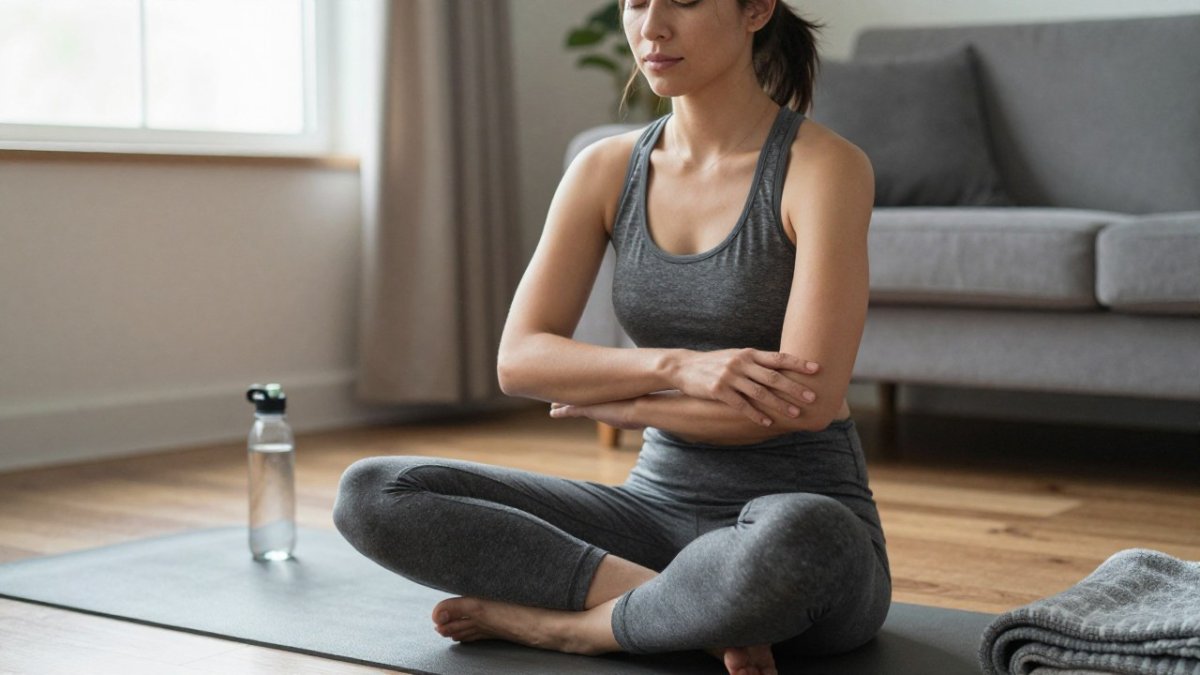
(https://holisticandwellnessmedicine.com/self-massage-techniques-for-neck-and-shoulder-tension/) pairs well with these points.
Breathwork and Gentle Movement for the Parasympathetic Response
Breathwork is a simple tool many people use to relax.
Some people practice this for a few minutes once or twice a day.
Pair it with gentle movement. If you want a deeper routine, our yoga for stress and resilience guide walks through poses built for exactly this.
These five simple, free practices can help carry the calm past your appointment.
| Practice | What to do | Key detail |
|---|---|---|
| Hydration | Drink water steadily through the day | Mild dehydration can leave you foggy and tense |
| Acupressure | Press specific points for a minute or two | Hold each point one to two minutes |
| Breathwork | Slow, long exhales | Inhale 4 counts, exhale 6 to 8 |
| Gentle movement | Walking or light stretching | Keeps energy flow moving without strain |
| Warm Epsom salt soak | Warm bath in the evening | Part of a wind-down routine |
Sleep Hygiene and Emotional Processing in the Recovery Period
Sleep is where the real recovery happens. It is also where most people sabotage themselves without realizing it. Two things matter here that most guides skip: a specific post-acupuncture sleep protocol and practical emotional processing tools.
The Post-Acupuncture Sleep Protocol
Most articles tell you to “get good sleep” and stop there. A better approach is to treat the night after your session as a recovery window with its own rules. Here is a protocol you can use:
- Set a wind-down period. Consider dimming bright overhead lights and reducing screen use before bed.
- Keep the room cool and dark. Blackout curtains or an eye mask can help if your room is not fully dark.
- Consider skipping alcohol. Alcohol can interfere with sleep quality. If you want a warm drink, many people choose herbal tea.
- Try a short breathwork sequence in bed. Slow exhales (inhale 4 counts, exhale 6-8) are a common way to unwind before sleep.
- Keep a consistent wake time. Go to bed and wake up at the same time, even on weekends. Consistency matters more than a perfect bedtime.
- Put the phone away 30 minutes before sleep. If you use it as an alarm, switch to a basic alarm clock for the night after treatment.
If you wake during the night, you might sit up, breathe slowly for a few minutes, and return to bed when you feel sleepy.
Emotional Processing After Acupuncture
Some people notice feelings after a session, such as being unexpectedly tearful, deeply relaxed, or irritable for a few hours. Here are some ways to handle emotional feelings after a session:
- Name it. Say to yourself, “This is a release, not a crisis.” Some people find naming a feeling makes it easier to manage.
- Journal for five minutes. Write down what you feel without editing. Do not try to solve it. Just get it out of your head.
- Take a slow walk. A short, easy walk can be a helpful way to move through restless feelings.
- Talk to someone you trust. A short phone call or text to a friend can anchor you. You do not need to explain the acupuncture, just say you are having a quiet evening.
Many people find that pushing feelings down makes them harder to manage. If you want more hands-on tools for the emotional side, our guide to natural remedies for anxiety and stress at home covers practices you can layer in.
Watch out: if emotional release feels overwhelming or lasts more than a day, contact your provider. A small number of people need extra support, and there is no shame in asking for it.
Building a Self-Care Routine With Your Care Team
The best at-home routine is the one that fits your actual life and connects to your treatment plan. That is why we build it with you, not for you.
Holistic & Wellness Medicine provides an integrated approach that combines chiropractic care, functional medicine, massage therapy, natural medicine, and yoga.
If you are weighing whether acupuncture may be a fit for chronic stress, a qualified provider can help you understand what to expect. And for a broader set of strategies to build into your week, see our guide to reducing chronic stress naturally.
Many people find that a few small, consistent practices are easier to keep than a long list.
Frequently Asked Questions
Can you get anxiety after acupuncture?
Some people feel emotionally raw or anxious in the hours after a session. Some people feel emotionally sensitive after a session, and these feelings often pass within a short time. If anxiety after acupuncture feels intense or lasts more than 24 hours, tell your practitioner so they can adjust the treatment plan. Gentle breathwork, hydration, and quiet time at home help most people settle.
Is there anything you shouldn’t do after acupuncture?
Skip intense workouts, alcohol, and heavy caffeine for the rest of the day. Avoid scheduling acupuncture right before a demanding meeting or a long drive. Some people find that very hot baths, saunas, or prolonged sun exposure right after a session make them feel lightheaded. Many people choose a quiet, restful period afterward.
How long should you wait to exercise after acupuncture?
Many people choose to wait a few hours before moderate exercise and hold off on intense training for a day. Gentle movement like walking, stretching, or restorative yoga is fine sooner for most people. If you had a session focused on a specific injury, ask your practitioner how long to wait to exercise after acupuncture before you plan your next workout.
Does acupuncture actually relieve stress?
Research on acupuncture and stress is ongoing, and results vary across studies. Many people report feeling relaxed during and after treatment, and some find that effects are more noticeable over several sessions. Pairing acupuncture with at-home stress relief after acupuncture, like breathwork and acupressure, tends to make the calm last longer.
Chronic stress does not reset in a single appointment. It resets through steady support: treatment that addresses root causes, plus daily habits that protect the calm between visits. Holistic & Wellness Medicine offers an integrated care team, root-cause analysis instead of symptom masking, and a patient-centered partnership model that puts you in charge of your own recovery. Get started with Holistic & Wellness Medicine and build a self-care routine that holds up long after your session ends.