
Table of Contents
- Is Acupuncture Worth It for Chronic Stress? The Short Answer
- Does Acupuncture Help With Anxiety? What the Research Shows
- How Many Acupuncture Sessions for Stress? A Realistic Timeline
- Acupuncture vs. Other Stress-Relief Treatments: An Honest Comparison
- The Real Cost of Acupuncture for Chronic Stress
- Who Benefits Most From Acupuncture for Chronic Stress, and Who Should Be Cautious
- How to Choose a Qualified Acupuncture Practitioner
- Conclusion: Making Your Decision About Acupuncture for Chronic Stress
- Frequently Asked Questions
Last Updated: October 14, 2026
Is Acupuncture Worth It for Chronic Stress? The Short Answer
For some people, yes. For others, the time and cost don’t justify the benefit. The honest answer to whether is acupuncture worth it for chronic stress is that it depends on your symptoms, your budget, and how you respond to treatment.
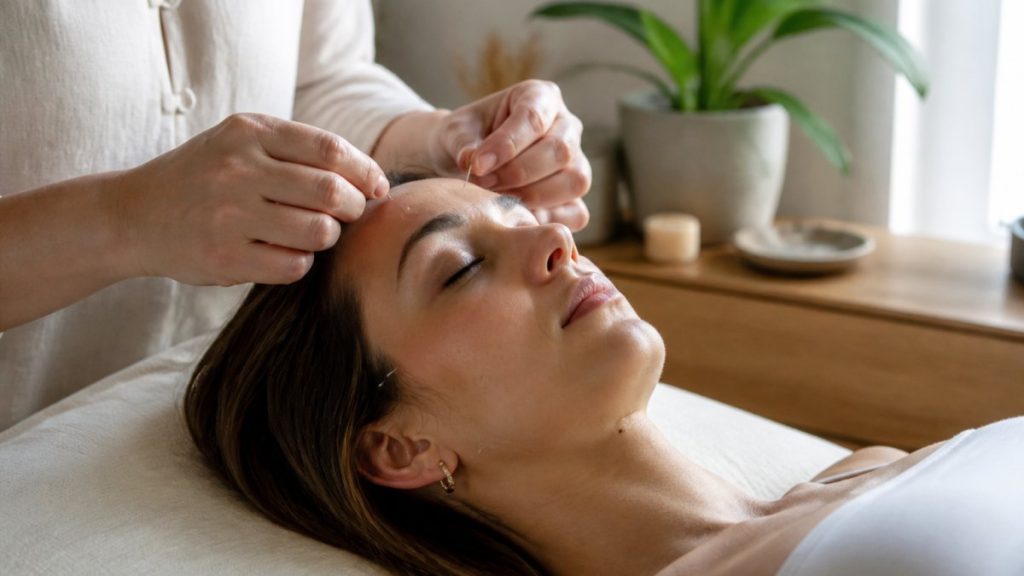
Acupuncture is a traditional practice in which fine, sterile needles are placed at specific points on the body to influence the nervous system and the body’s stress response. Sessions typically last 30 to 60 minutes, and many people report feeling relaxed afterward.
Here’s the catch most guides skip: the evidence is mixed, and results vary widely from person to person. Below, we break down what research suggests, what a session actually involves, how it compares with other stress treatments, and how to decide if it’s worth your money.
Does Acupuncture Help With Anxiety? What the Research Shows
The evidence is promising but not conclusive. Some clinical trials on acupuncture for anxiety suggest it may ease anxiety symptoms, while other well-designed studies show little difference from placebo. That gap matters when you’re deciding whether to spend time and money.
How Acupuncture May Affect the Nervous System
Needle placement appears to stimulate sensory nerves, which may shift activity in the autonomic nervous system. In plain terms, it may nudge the body away from a constant “on alert” state and toward a calmer one. Some research points to changes in brain activity tied to relaxation and emotional regulation.
Cortisol, Endorphins, and the Body’s Stress Response
Cortisol is a hormone your body releases during stress. Some studies suggest acupuncture may lower cortisol levels, though results are inconsistent. Needling may also encourage the release of endorphins, the body’s natural pain-relieving chemicals, along with serotonin and noradrenaline, which play roles in mood and emotional regulation.
Acupuncture’s proposed benefits center on calming the nervous system and modulating stress hormones, but the research is mixed. Treat it as a supportive option, not a guaranteed fix.
How Many Acupuncture Sessions for Stress? A Realistic Timeline
Most practitioners suggest a short trial course rather than a single session. A common approach is one session per week for four to six weeks, then reassessing. Some people notice a difference after the first few sessions; others need longer.
What to Expect During an Acupuncture Session
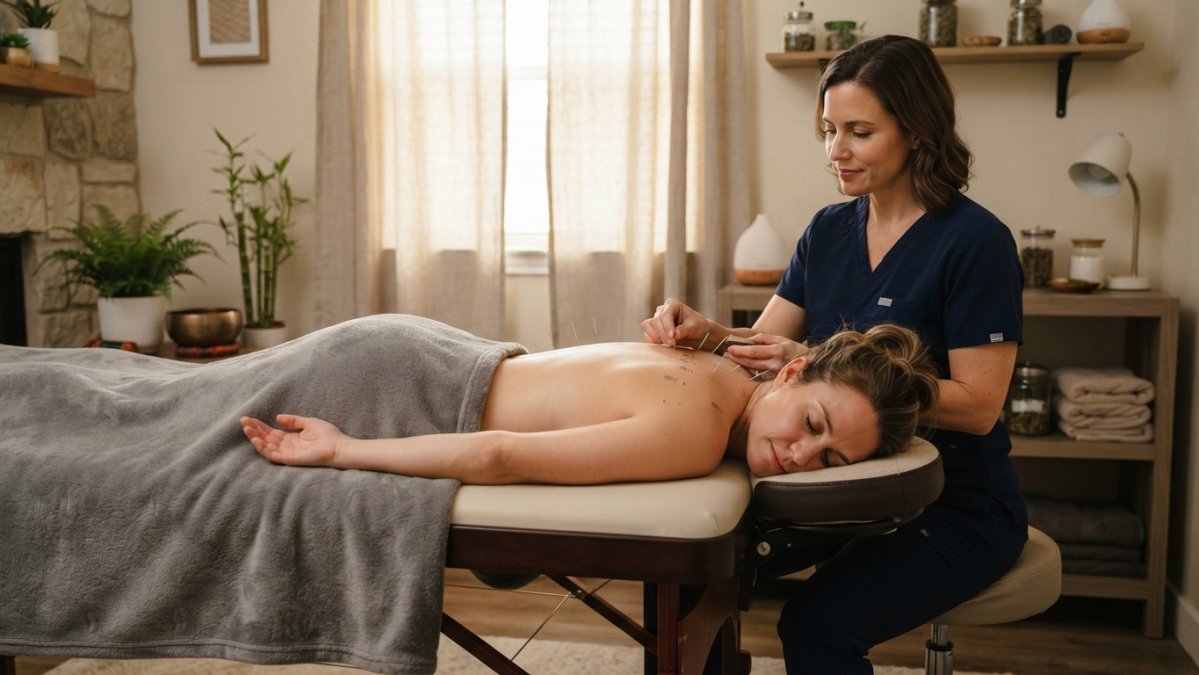
Your first visit usually includes a health history, a discussion of your stress symptoms, and needle placement. You’ll lie comfortably while fine needles rest for 20 to 30 minutes. Most people feel little to no pain, though a brief tingling or dull ache is common. Mild side effects like small bruises or temporary soreness can happen.
Acupuncture vs. Other Stress-Relief Treatments: An Honest Comparison
Acupuncture isn’t the only path, and for many people it isn’t the first one. Talk therapy, exercise, sleep hygiene, and medication all have stronger or more consistent evidence for chronic stress and anxiety. Where acupuncture stands out is tolerability: it’s non-invasive, drug-free, and generally well tolerated.
The table below compares the main options by what the research generally supports, how much time each demands, and who tends to do best with it. “Evidence strength” reflects how consistent and well-designed the body of research is, not how well any single person will respond.
| Approach | Typical Format | Time Commitment | Evidence Strength | Best For |
|---|---|---|---|---|
| Acupuncture | Weekly sessions, often 30-60 min each | 1-2 hours per week including travel | Mixed | Adding to an existing plan; stress that shows up physically |
| Talk therapy (CBT) | Weekly 45-60 min sessions | 1 hour per week plus practice between sessions | Strong | Persistent anxiety, rumination, building coping skills |
| Exercise | Most days, 30+ min | 3-5 hours per week | Strong | Overall stress, mood, sleep, and physical tension |
| Mindfulness / meditation | Daily, 10-30 min | 1-3 hours per week | Moderate to strong | Winding down, emotional regulation, low-cost maintenance |
| Medication (SSRIs, etc.) | Daily | Minutes per day, plus follow-ups | Strong | Moderate to severe symptoms; when therapy alone isn’t enough |
| Sleep hygiene | Nightly routine | Minimal | Moderate | Stress driven or worsened by poor sleep |
A few practical reads on this table:
- If your stress is mild and situational, exercise, sleep hygiene, and mindfulness are usually the lowest-cost, best-evidenced starting points. Acupuncture can be layered on later.
- If your stress is persistent and interferes with work or relationships, therapy, especially cognitive behavioral therapy, has the strongest evidence base. Acupuncture is reasonable alongside it, not instead of it.
- If your symptoms are moderate to severe, medication plus therapy is the standard of care. Acupuncture may help with tolerability and relaxation, but it should not delay or replace that plan.
- If your stress shows up as muscle tension, tightness, or pain, acupuncture’s tolerability and hands-on nature may make it a more attractive add-on than it would be for purely cognitive symptoms.
A sensible approach is to keep what works and test acupuncture as an add-on. If your stress is tied to muscle tension or pain, combining it with other hands-on care may help more than either alone.
Acupuncture is a reasonable add-on, not a first-line replacement. Match the approach to your symptom pattern and severity, and give any new treatment a defined trial period before deciding whether to continue.
The Real Cost of Acupuncture for Chronic Stress
This is the section most guides skip, and it’s the one readers asking “is it worth it” need most. Costs vary widely by provider, region, and whether the practitioner is in a private practice, a community clinic, or a hospital system, so treat any number as a range, not a quote.
Typical out-of-pocket ranges in the U.S.:
Start your wellness journey today! →
- Private practice, per session: commonly $75-$150 for a 30-60 minute treatment, with higher-cost markets and more experienced practitioners at the top of that range.
- Community acupuncture clinics: often $20-$50 per session, sometimes on a sliding scale. These settings treat multiple patients in one room, which is why the price is lower.
- Initial visit vs. follow-up: the first visit usually costs more because it includes a longer intake and health history. Ask for both prices up front.
- Packages: many practices sell 5- or 10-session packages at a modest discount. Only buy a package if you’ve already had one session and felt comfortable with the practitioner.
A realistic six-week trial: at one session per week for six weeks, a private-practice course commonly lands somewhere between $450 and $900 out of pocket. At a community clinic, the same course might run $120-$300.
Insurance coverage. Some plans cover acupuncture, but coverage is inconsistent and often tied to specific diagnoses, most commonly chronic pain, nausea from chemotherapy, or post-surgical recovery. Coverage for stress or anxiety specifically is frequently limited or excluded. Before you commit to a course:
- Call the number on the back of your insurance card and ask whether acupuncture is a covered benefit, and under what diagnoses.
- Ask whether the practitioner you’re considering is in-network. Out-of-network reimbursement, when it exists, is often partial.
- Ask about visit limits per year and whether a referral or prior authorization is required.
- If you have a flexible spending account (FSA) or health savings account (HSA), ask whether acupuncture qualifies as an eligible expense under your plan, many do, which effectively lowers the after-tax cost.
How to weigh cost against likely benefit. A few honest questions:
- What would I spend on the alternatives, therapy copays, a gym membership, a meditation app, over the same six weeks?
- Can I afford the trial without cutting into essentials or delaying care that has stronger evidence?
- What would I need to see in six weeks to consider it worth continuing, better sleep, less muscle tension, a calmer baseline?
If you can’t answer question three before you start, you’re not really evaluating value, you’re just accumulating sessions. Set the bar first, then decide.
Ask about sliding-scale pricing and community clinics before assuming acupuncture is out of reach. The price gap between a private practice and a community setting can be three to four times, for the same basic treatment.
Who Benefits Most From Acupuncture for Chronic Stress, and Who Should Be Cautious
People most likely to benefit tend to have stress that shows up physically, such as tension, tightness, or trouble winding down. Those already using an integrated approach often get more from it, because acupuncture supports rather than replaces other care.
Use caution if you’re pregnant, have a bleeding disorder, take blood thinners, or have a pacemaker. Always tell your practitioner about your full health history and medications, and check with your doctor first if you have a serious medical condition.
Skipping this step is a real risk. If you’re on blood thinners or pregnant and don’t disclose it, you could face complications that a simple conversation would have prevented.
How to Choose a Qualified Acupuncture Practitioner
Look for a licensed practitioner with formal training and clean-needle practices. In most states, acupuncturists must be licensed, and single-use sterile needles are standard. Ask about their experience with stress and anxiety specifically, and how they measure progress.
- Verify state licensure and credentials
- Confirm single-use, sterile needles
- Ask about their approach to stress and anxiety
- Discuss pricing and expected number of sessions
- Check whether they coordinate with your other providers
A good practitioner will welcome these questions. If they dodge them, keep looking.
Conclusion: Making Your Decision About Acupuncture for Chronic Stress
Chronic stress rarely has a single fix, and acupuncture is no exception. The evidence is mixed, the cost adds up, and results depend heavily on you. That’s exactly why we take an integrated approach at Holistic & Wellness Medicine, combining chiropractic care, functional medicine, massage therapy, natural medicine, and yoga to address the root causes of stress rather than just the symptoms. Our team focuses on understanding the underlying drivers of pain, stress, and inflammation, then building a personalized plan around your life. If you’re tired of fragmented care, start your wellness journey today and let us help you restore balance and build lasting resilience.
Frequently Asked Questions
Does acupuncture actually work for stress?
Research suggests acupuncture may help reduce stress symptoms, though study quality varies. Some trials show improvements in anxiety and stress hormone levels, but many have small sample sizes or lack sham controls. Acupuncture appears most useful as part of a broader stress management plan that includes conventional treatment, therapy, exercise, and sleep. It is not a guaranteed standalone cure, but for many people it provides meaningful symptom relief and relaxation.
How many acupuncture sessions for stress might it take to notice a difference?
Many practitioners recommend a trial of six to eight sessions before judging whether acupuncture is working for you. Some people notice relaxation after the first session, while others need several weeks of consistent treatment. Chronic stress often requires ongoing care, and frequency typically starts at once or twice weekly before tapering. Track your sleep, mood, and tension levels to measure progress objectively rather than relying on how you feel on any single day.
Is acupuncture safe for stress relief?
Acupuncture is generally considered safe when performed by a licensed practitioner using sterile, single-use needles. Common side effects include minor bruising, soreness at needle sites, or temporary lightheadedness. Serious complications are rare. Tell your practitioner about any bleeding disorders, blood-thinning medications, pregnancy, or implanted medical devices before treatment. If you have a pacemaker or similar device, some acupuncture points may need to be avoided, so always disclose your full medical history.
What should I expect during an acupuncture appointment for stress?
A first visit usually lasts 60 to 90 minutes and includes a health history, discussion of your stress symptoms, and a physical assessment. The practitioner places fine needles at specific points, often on the ears, wrists, or legs. You rest for 20 to 40 minutes. Most people feel minimal discomfort and report deep relaxation during and after the session. Follow-up visits are typically shorter, around 30 to 60 minutes.
What other treatments can help manage chronic stress?
Cognitive behavioral therapy, regular exercise, sleep hygiene, mindfulness or meditation, and medication are evidence-based options for chronic stress. Massage therapy, yoga, and chiropractic care may also help reduce muscle tension and support relaxation. An integrated approach that combines conventional care with complementary therapies often works better than any single method. Talk with your healthcare provider to build a plan that fits your symptoms, budget, and preferences.




[…] Acupuncture is generally understood as one part of a wellness plan rather than a finish line. For a closer look, see this honest review of acupuncture for chronic stress. […]