Table of Contents
- Why Yoga Works for Lower Back Pain
- 1. Cat-Cow Pose (Marjaryasana-Bitilasana)
- 2. Downward-Facing Dog (Adho Mukha Svanasana)
- 3. Child’s Pose (Balasana)
- 4. Bridge Pose (Setu Bandhasana)
- 5. Cobra Pose (Bhujangasana)
- How Long to Hold Yoga Poses for Back Pain
- Yoga Poses to Avoid With Herniated Disc
- Frequently Asked Questions
Last Updated: September 17, 2026
Why Yoga Works for Lower Back Pain
Lower back pain affects millions of adults, often stemming from poor posture, sedentary work, muscle tension, and spinal misalignment, which is why the top 5 yoga poses for lower back pain are so effective. Many people turn to pain medication or invasive treatments first, but yoga offers a different path: gentle, sustained stretching that addresses the root causes rather than masking symptoms temporarily.
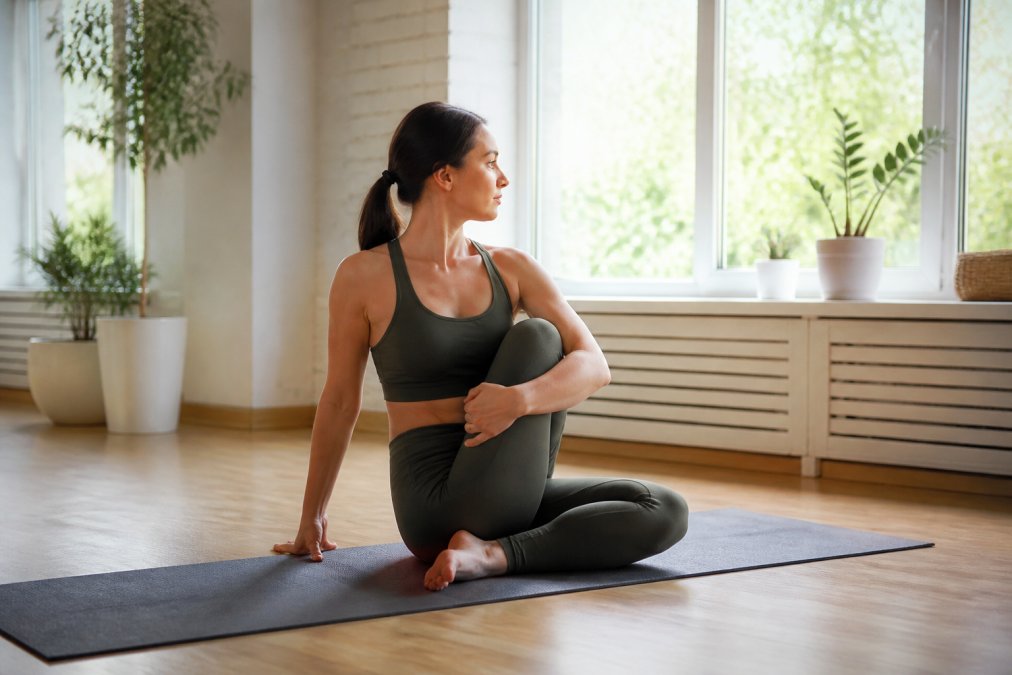
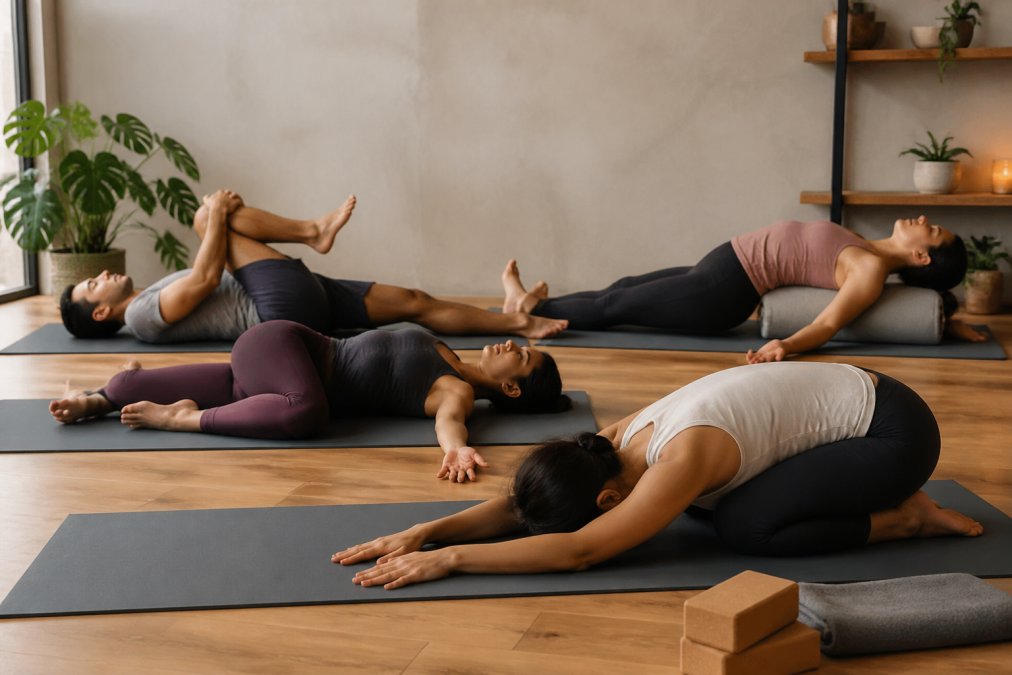
The top 5 yoga poses for lower back pain work because they target the underlying mechanics. When you practice these poses consistently, you build core strength, improve flexibility, reduce muscle tension, and restore proper spinal alignment. Unlike quick fixes, yoga teaches your body sustainable movement patterns that prevent pain from returning.
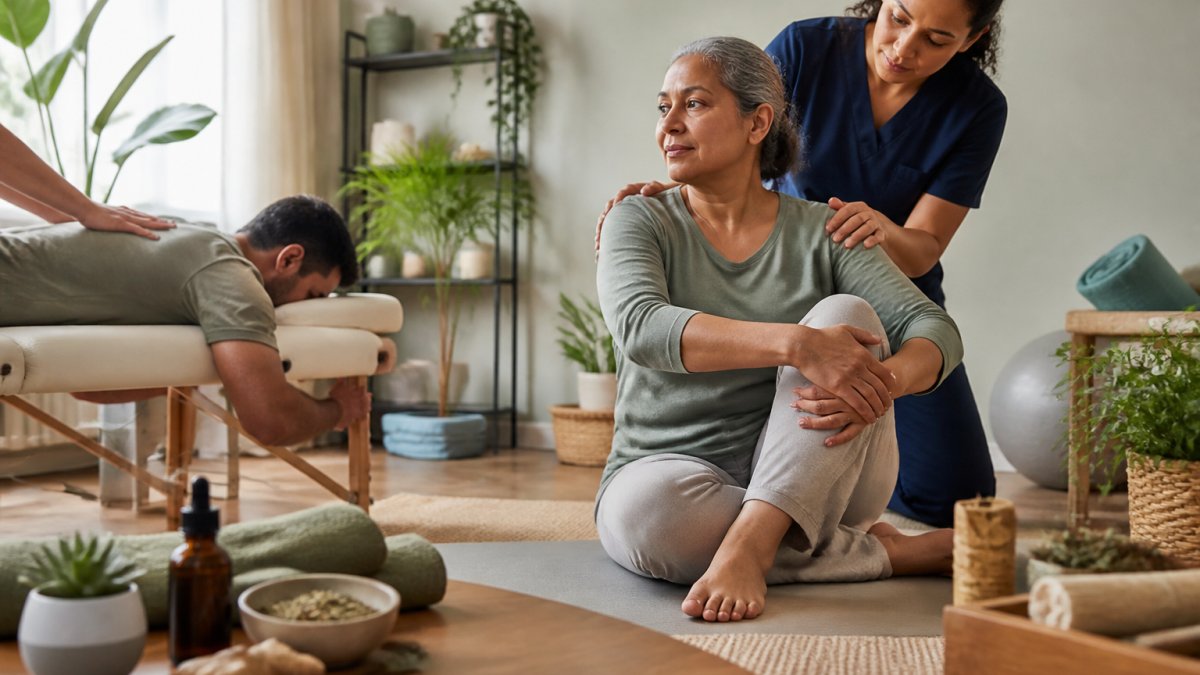
At Holistic & Wellness Medicine, we provide an integrated approach to health, combining chiropractic care, functional medicine, massage therapy, natural medicine, and yoga. Yoga alone is powerful, but when integrated into a comprehensive wellness plan, it addresses not just the symptoms but the structural and postural issues driving the pain.
The key is consistency and proper form. Holding poses for the right duration, breathing mindfully, and knowing which poses to avoid with certain conditions makes the difference between genuine healing and temporary relief.
1. Cat-Cow Pose (Marjaryasana-Bitilasana)
Cat-Cow is the foundation pose for lower back pain relief. It mobilizes your entire spine, reduces stiffness, and teaches you how to move with control and awareness. This gentle flowing sequence warms up the vertebrae and surrounding muscles while promoting spinal flexibility and decompression.
How to Perform Cat-Cow
Start on your hands and knees in a neutral position. Your wrists should align under your shoulders, and your knees under your hips. Engage your core slightly to stabilize your spine.
Cow Pose: Inhale as you drop your belly toward the mat. Lift your gaze and chest, allowing your tailbone to tilt upward. Your lower back naturally arches, but avoid forcing the curve. Feel the front of your body lengthen.
Cat Pose: Exhale as you round your spine. Tuck your chin to your chest, draw your belly in, and press the floor away with your hands. Your tailbone tucks under, and your back rounds into a smooth arch.
Move between these two positions for 8-10 repetitions, syncing each movement with your breath. The rhythm matters as much as the stretch itself.
Many practitioners hold each pose statically, but Cat-Cow is most effective as a flowing movement. The continuous motion mobilizes your entire spine, not just isolated segments. Move slowly, each transition should take 2-3 seconds.
Why It Helps Lower Back Pain
Cat-Cow addresses the lumbar spine directly. In Cow, you practice gentle spinal extension, which decompresses the discs and opens the facet joints. In Cat, you practice flexion, which stretches the erector spinae muscles running along your spine and engages your core stabilizers.
This pose teaches pelvic tilt control, a skill that translates to better posture throughout your day. When your pelvis moves with intention, your lower back doesn’t compensate with excessive tension.
2. Downward-Facing Dog (Adho Mukha Svanasana)
Downward-Facing Dog is often considered a resting pose, but for lower back pain, it’s therapeutic. It lengthens your hamstrings, decompresses your spine, and builds shoulder and core stability. The pose inverts your spine gently, reducing pressure on the lumbar discs while promoting blood flow to the area.
Step-by-Step Instructions
Begin on your hands and knees. Spread your fingers wide and press firmly through your palms. Your middle finger should point straight forward.
Tuck your toes under and exhale as you lift your hips toward the ceiling. Your body forms an inverted V-shape. Press your chest toward your thighs, not your head toward the floor. Your head stays neutral, don’t let it dangle.
Ground all four corners of your hands evenly. Distribute weight across your palms, not concentrated in your wrists. Engage your quadriceps to take pressure off your hamstrings and lower back.
Your feet should be hip-width apart. Press your heels toward the floor, though they don’t need to touch.
A common mistake is forcing your heels to the ground while keeping your legs straight. This creates excessive tension in your hamstrings and can pull on your lower back. If your heels don’t touch naturally, that’s fine, bend your knees instead. Proper alignment matters more than achieving the “full” pose.
Benefits for Spinal Alignment
Downward Dog lengthens your entire posterior chain: hamstrings, calves, glutes, and erector spinae muscles. Tight hamstrings are a leading cause of lower back pain because they pull on your pelvis and force your lumbar spine into compensation patterns.
3. Child’s Pose (Balasana)
Child’s Pose is restorative and deeply therapeutic for the lower back. It gently stretches your glutes, lower back, and hip flexors while calming your nervous system. This pose is safe for nearly everyone and can be modified for different flexibility levels.
How to Hold and Breathe
Start on your hands and knees. Bring your big toes together and widen your knees to the edges of your mat. Sink your hips back toward your heels as you fold forward. Rest your forehead on the mat or on a block if that’s more comfortable.
Child’s Pose activates your parasympathetic nervous system, the part of your nervous system responsible for rest and recovery. When you’re stressed, your muscles tighten and hold tension. Spending time in restorative poses like this one helps release that tension at a nervous system level, not just a muscular one.
4. Bridge Pose (Setu Bandhasana)
Bridge Pose is the strongest strengthening pose for lower back pain. It builds glute engagement, core strength, and spinal stability while gently extending your spine. Strong glutes are essential, weak glutes force your lower back to compensate, creating pain and dysfunction.
Strengthening Core and Glutes
Lie on your back with your knees bent and feet flat on the floor, hip-width apart. Your feet should be parallel, with heels about a foot away from your glutes. Press your arms alongside your body with palms down.
5. Cobra Pose (Bhujangasana)
Cobra Pose strengthens your back extensors and promotes spinal extension, but it must be performed carefully if you have lower back pain. Done correctly, it’s therapeutic. Done incorrectly, it can aggravate pain. The key is using your back muscles to lift, not pushing with your hands.
Safe Execution for Back Pain Relief
Hold for 3-5 breaths, then lower down and rest.
If you have a herniated disc or acute lower back pain, skip full Cobra Pose. Instead, try a gentler version: lie on your belly and use only your hands to lift your chest a few inches, keeping your hips on the floor. This provides the spinal extension benefit without the intensity.
Cobra Pose strengthens the erector spinae muscles that support your spine. It also promotes spinal extension, which is the opposite movement of the forward flexion most people do all day at desks. This balance is essential for spinal health.
How Long to Hold Yoga Poses for Back Pain
The duration you hold each pose depends on the pose type and your current flexibility level. For gentle stretching poses like Child’s Pose and Downward Dog, hold for 1-2 minutes. This allows your muscles to relax and your nervous system to settle.
| Pose Type | Hold Duration | Repetitions | Frequency |
|---|---|---|---|
| Cat-Cow | 2-3 sec per cycle | 8-10 cycles | Daily |
| Downward Dog | 5-8 breaths | 2-3 sets | 4-5x per week |
| Child’s Pose | 1-2 minutes | 1-2 sets | Daily |
| Bridge Pose | 5-8 breaths | 3-5 reps | 4-5x per week |
| Cobra Pose | 3-5 breaths | 3-5 reps | 3-4x per week |
Yoga Poses to Avoid With Herniated Disc
If you have a herniated disc, certain poses can aggravate your condition. Poses involving deep forward bends, intense spinal flexion, or heavy twisting should be avoided until you’ve consulted with a healthcare provider.
Anyone with a herniated disc or acute lower back pain should start with gentle, supported poses and progress only under professional guidance. Attempting advanced poses without proper assessment can delay healing and increase pain.
Frequently Asked Questions
Should I do yoga if my lower back hurts?
Gentle yoga can help relieve lower back pain by improving flexibility, strengthening core muscles, and reducing muscle tension. However, the type and intensity matter. Start with restorative poses like Child’s Pose and Cat-Cow, and avoid deep backbends or twists if you’re experiencing acute pain. Consult a healthcare provider or yoga instructor to ensure poses are appropriate for your specific condition and severity.
How long should I hold yoga poses for back pain relief?
For therapeutic benefit, hold gentle poses like Child’s Pose and Downward-Facing Dog for 30 seconds to 2 minutes. Strengthening poses like Bridge can be held for 20-30 seconds and repeated 3-5 times. Listen to your body; if discomfort increases, release the pose immediately. Consistency matters more than duration, practicing regularly, even with shorter holds, produces better results than occasional longer sessions.
Which yoga poses should I avoid if I have lower back pain?
Avoid deep backbends, intense twists, and forward folds that compress the lumbar spine, especially if you have a herniated disc or acute pain. Poses like full Wheel, deep Spinal Twist, and Sit-and-Reach can aggravate symptoms. Also limit full Locust Pose and intense core work until your back stabilizes. Work with a qualified instructor to identify which poses trigger pain in your specific case.
Can yoga help with the root cause of lower back pain?
Yoga addresses many underlying causes of back pain, including poor posture, weak core muscles, tight hamstrings, and spinal misalignment. By building strength, improving flexibility, and promoting mindful movement, yoga can reduce chronic tension and prevent future injury. However, some causes, like herniated discs, structural issues, or nerve compression, may require professional medical evaluation and integrated treatment combining yoga with chiropractic care or physical therapy for lasting relief.
Lower back pain doesn’t have to be permanent. When you combine these five therapeutic yoga poses with professional care, you address the root causes of pain rather than just masking symptoms. Holistic & Wellness Medicine combines yoga instruction with chiropractic care, functional medicine assessment, and personalized treatment plans to help you restore spinal alignment, build core strength, and eliminate chronic pain. Start your wellness journey today and experience lasting relief.