
Table of Contents
- How to Boost Your Immune System Naturally: A Root-Cause Approach
- 1. Immune-Boosting Foods and Nutrients That Regulate, Not Just Stimulate
- 2. Stress Management for Immune Health: Lowering Cortisol to Protect Immune Cells
- 3. The Impact of Sleep on Immune Function and Circadian Rhythm Alignment
- Hydration and Physical Activity: Supporting Habits for Immune Function
- Seasonal Immune Planning: Adjusting Your Routine Throughout the Year
- Common Mistakes That Weaken Your Immune System Naturally
- Frequently Asked Questions
Last Updated: September 10, 2026
How to Boost Your Immune System Naturally: A Root-Cause Approach
A 2026 review in the journal Nutrients found that the strongest evidence for ways to boost immune system support comes not from any single supplement, but from coordinated lifestyle interventions: diet, stress regulation, sleep, hydration, and movement working together (PubMed). If you searched for the 3 best ways to boost immune system naturally, you have probably already tried one-off fixes. This guide from Holistic & Wellness Medicine takes a different angle: instead of chasing quick stimulation, we look at what actually regulates immune function at the root.
Immune system regulation is the process by which the body keeps its defenses balanced: responding to pathogens and inflammation when needed, and standing down when the threat passes. That balance depends on nutrient status, cortisol levels, sleep quality, and gut health far more than on any “booster.”
Below, we break down the three highest-use habits, plus the supporting routines that make them stick. What most guides get wrong is treating these as separate tips. They are one system.
1. Immune-Boosting Foods and Nutrients That Regulate, Not Just Stimulate
Food is the foundation because it supplies the raw materials immune cells need to function. A balanced diet rich in nutrient-dense foods supports immune response without overstimulating it, which matters because chronic inflammation is as harmful as a weak response.

The Gut-Immune Axis: Where Most Immune Support Begins
The gut microbiome is a community of bacteria in the digestive tract that trains and regulates immune cells. A large share of the body’s immune tissue lines the gut, so dietary habits that feed beneficial bacteria also support immune function.
Fermented foods, fiber, and varied plant intake can support immune resilience.
Key Micronutrients: Vitamin C, Vitamin D, Zinc, Magnesium, and Beta Carotene
Micronutrients are vitamins and minerals the body needs in small amounts to power immune cells. The ones most studied for immune function include:
- Vitamin C: supports antioxidant defense and immune cell function
- Vitamin D: helps regulate immune response; deficiency is common in indoor workers
- Zinc: supports immune cell development and wound healing
- Magnesium: involved in cellular health and sleep quality
- Beta carotene: an antioxidant the body converts to vitamin A
Food sources beat supplements for most people, but a clinician can check for gaps.
Pair iron-rich foods with vitamin C at the same meal. It noticeably improves iron absorption, and low iron quietly undermines immune cell function long before it shows up on a standard panel.
2. Stress Management for Immune Health: Lowering Cortisol to Protect Immune Cells
Chronic stress raises cortisol levels, and sustained cortisol suppresses the activity of immune cells. That is why people often get sick after a brutal stretch at work or a major life event. The mechanism is well characterized: cortisol binds receptors on T cells, natural killer cells, and macrophages, blunting their ability to respond to pathogens (peer-reviewed research). It also downregulates the mucosal immune barrier, which is one reason psychological stress tracks with more frequent upper respiratory infections.
Stress reduction is not a luxury habit; it is a direct lever on immune function. The techniques with the best evidence share one feature, they activate the parasympathetic nervous system, which lowers heart rate, slows breathing, and pulls cortisol back toward baseline.
Techniques With the Strongest Evidence
- Slow breathing: Roughly six breaths per minute (about a 4-second inhale and 6-second exhale) for 5-10 minutes activates the vagus nerve and lowers acute cortisol. This is the fastest-acting tool on the list.
- Mindfulness meditation: 10-20 minutes daily. Randomized trials consistently show reductions in perceived stress and inflammatory markers after 8 weeks of consistent practice (PubMed).
- Progressive muscle relaxation: Tense and release each muscle group from feet to face. Useful for people who find seated meditation difficult.
- Moderate physical activity: A 30-minute brisk walk lowers circulating stress hormones for hours afterward. This is why movement appears in both the stress and activity pillars.
- Time in nature: Even 20 minutes in a green space is associated with lower cortisol in controlled studies.
- Social connection: Loneliness is an independent stressor with measurable immune effects. Regular contact with people you trust is not optional for immune health.
What most guides miss is that stress management must be scheduled, not squeezed in when you feel overwhelmed. Ten minutes of breathing exercises daily outperforms an occasional spa day. The dose matters more than the intensity.
Anchor one stress practice to a habit you already have. Two minutes of slow breathing right after you brush your teeth in the morning is more sustainable than a 30-minute session you keep postponing.
Skipping stress management during busy seasons can lead to predictable consequences like a crash, a cold, or a flare-up that costs more time than the routine would have.
Why the ‘Boost’ Misnomer Matters for Immune System Regulation
The phrase “boost your immune system” is misleading. An overactive immune response drives allergies and autoimmune conditions, so the goal is regulation, not maximum activity. Cortisol is a useful illustration: too much suppresses immune defense, but too little is also a problem, because cortisol normally helps resolve inflammation once a threat has passed. The target is a responsive, well-tuned system, not a louder one.
Think of it as tuning an instrument rather than turning up the volume. Preventative health habits keep the system responsive and calm, and stress management is the lever most people can move fastest.
3. The Impact of Sleep on Immune Function and Circadian Rhythm Alignment
Sleep is when the body consolidates immune memory and repairs tissue. Short or fragmented sleep reduces the number and effectiveness of immune cells, which is why sleep hygiene is one of the most reliable immune supports available. But “get more sleep” is not the whole story, when you sleep matters almost as much as how long.
Circadian Rhythm: The Clock Behind Immune Timing
Nearly every immune cell in the body carries a molecular clock. Circadian rhythm alignment means sleeping and waking at consistent times so that internal clock can coordinate immune activity across the day. When the rhythm is disrupted, by shift work, late-night screen exposure, or wildly inconsistent bedtimes, immune cell function becomes less efficient even if total sleep hours look adequate.
Start your wellness journey today! →
This is an angle many immune guides skip. Two people can both sleep seven hours, but consistent sleep schedules generally support better immune markers than erratic ones.
Light Exposure Is the Master Signal
The circadian clock is set primarily by light. Two habits do most of the work:
- Morning daylight: 10-30 minutes of outdoor light within an hour of waking anchors the rhythm for the entire day. Indoor lighting is far too dim to do this.
- Evening dimness: Bright overhead lights and screens in the two hours before bed delay melatonin release and push the whole rhythm later.
Sleep Hygiene Basics That Support Immune Recovery
A few basics make the biggest difference:
- Keep a consistent sleep and wake time, even on weekends, aim for no more than a one-hour drift
- Dim lights and limit screens in the hour before bed
- Keep the bedroom cool, dark, and quiet
- Avoid caffeine after early afternoon; its half-life is roughly 5-6 hours, so a 3 p.m. coffee still has a quarter of its caffeine in your system at 9 p.m.
- Avoid alcohol close to bedtime, it fragments the deep sleep stages where much immune consolidation happens
- Get morning daylight to anchor your rhythm
Consistency beats duration. Seven hours at the same time each night supports immune function better than nine hours on an erratic schedule. If you can only fix one thing, fix your wake time, it anchors everything else.
When Sleep Problems Persist
Occasional poor sleep is normal. But ongoing insomnia, loud snoring with daytime fatigue, or a schedule that makes consistent sleep impossible are worth raising with a clinician. Sleep apnea in particular is underdiagnosed and has measurable effects on immune and cardiovascular health. Fixing the underlying issue does more than any supplement.
Hydration and Physical Activity: Supporting Habits for Immune Function
Hydration supports immune function by keeping mucous membranes moist and helping lymph, which carries immune cells, move efficiently. Many adults run mildly under-hydrated without noticing, and thirst is a late signal.
Physical activity improves immune surveillance and lowers stress hormones. Moderate, regular movement, such as brisk walking or strength training a few times a week, supports cardiovascular health and immune function. Very intense training without recovery can temporarily suppress immunity, so balance matters.
Seasonal Immune Planning: Adjusting Your Routine Throughout the Year
Immune needs shift with the seasons. Winter brings more time indoors and less sunlight, which affects vitamin D status. Spring and fall bring pollen and temperature swings that stress the respiratory system. Summer heat raises hydration needs.
A seasonal immune plan adjusts the same three pillars rather than starting over. In winter, prioritize vitamin D and sleep. In high-pollen seasons, focus on inflammation control and hydration. This is a gap most generic advice skips entirely.
Common Mistakes That Weaken Your Immune System Naturally
Several habits quietly work against immune function, even when you are trying to do the right thing:
- Relying on a single supplement instead of diet, sleep, and stress habits together
- Cutting sleep to fit in more workouts, which raises cortisol and lowers immune cell activity
- Drinking too little water and mistaking fatigue for something else
- Ignoring chronic stress until it produces a crash
- Chasing “boosters” that stimulate rather than regulate the system
The pattern behind all five is the same: treating immune health as a series of isolated fixes instead of one connected system.
Building real immune resilience is not about finding the one food or pill that fixes everything. It is about consistent habits across diet, stress, sleep, hydration, and movement, and adjusting them as your life and the seasons change. At Holistic & Wellness Medicine, our integrated team combines functional medicine, chiropractic care, massage therapy, natural medicine, and yoga to address the underlying drivers of inflammation and stress rather than masking symptoms. If fragmented care has left you feeling stuck, our patient-centered partnership model puts you at the center of your own wellness decisions. Start your wellness journey today with Holistic & Wellness Medicine and build the long-term resilience your body is capable of.
Frequently Asked Questions
What is the fastest way to boost my immune system?
There is no single overnight fix, but you can support your immune system quickly by focusing on sleep, hydration, and nutrient-dense foods. Aim for 7-9 hours of quality sleep, drink enough water to keep urine pale yellow, and eat foods rich in vitamin C, vitamin D, zinc, and antioxidants. Reducing stress also helps lower cortisol levels, which can otherwise suppress immune cell function. Consistent daily habits matter more than any one quick trick, and results build over weeks.
What are 5 signs of a strong immune system?
Signs of a well-regulated immune system include: 1) recovering from minor colds within a week or so, 2) having consistent energy levels throughout the day, 3) sleeping well and waking refreshed, 4) healthy digestion with regular bowel movements, and 5) minor cuts and scrapes healing at a normal pace. These signs reflect a balanced immune response rather than a hyperactive one. If you frequently get infections or feel fatigued, a healthcare professional can help identify underlying drivers.
What to drink for a strong immune system?
Water is the most important drink for immune function because hydration supports every cell, including immune cells. Herbal teas like ginger, echinacea, or green tea provide antioxidants and can be soothing. Bone broth offers minerals and amino acids that support gut health, which is closely tied to immune function. Citrus juices can add vitamin C, but watch added sugars. Limit alcohol and sugary drinks, as they can impair immune response and disrupt sleep.
How to increase immunity in 7 days?
You cannot overhaul your immune system in a week, but you can start supporting it immediately. For the next seven days: prioritize 7-9 hours of sleep, eat at least five servings of vegetables and fruits daily, drink 2-3 liters of water, take a 20-minute walk outside, and practice 10 minutes of deep breathing or meditation. These steps reduce stress, improve sleep, and provide key micronutrients. Lasting change takes weeks, but you can feel better quickly.
Can lifestyle changes really improve immune function?
Yes. Research shows that sleep, diet, stress, and physical activity directly influence immune function. For example, chronic stress raises cortisol levels, which can reduce the activity of immune cells. Poor sleep weakens the immune response to vaccines and increases susceptibility to infections. A nutrient-dense diet supports the gut microbiome, which trains immune cells. Regular moderate exercise improves immune surveillance. These lifestyle interventions are evidence-based and form the foundation of preventative health.

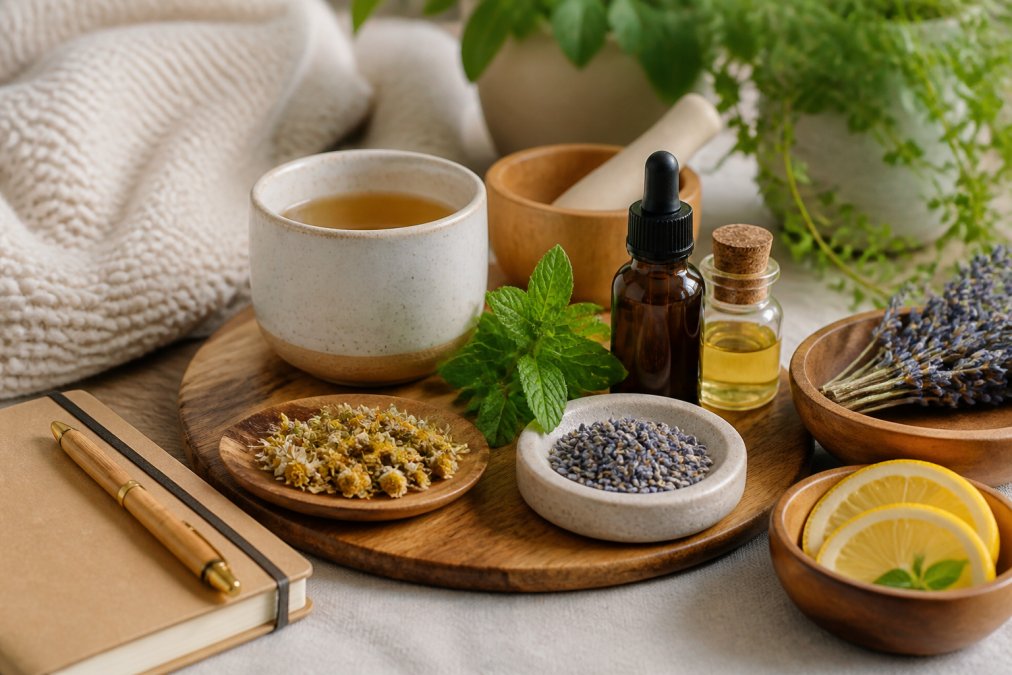
5 Natural Remedies for Anxiety and Stress at Home
Discover 5 natural remedies for anxiety and stress at home, from breathing exercises to herbal supplements. Learn how functional medicine can help. Start.

How to Improve Posture to Reduce Pain: A 2026 Guide
Learn how to improve posture to reduce pain with exercises, stretches, and ergonomic tips. Discover a holistic approach to lasting relief. Start today.

How to Treat Adrenal Fatigue Without Medication
Learn how to treat adrenal fatigue without medication using diet, stress management, and natural supplements. Discover practical steps to restore.