

Table of Contents
- Chiropractic Care vs Physical Therapy: Key Differences
- What Is Chiropractic Care?
- What Is Physical Therapy?
- Chiropractic Adjustment Risks and Benefits
- Benefits of Physical Therapy for Back Pain
- Physical Therapy vs Chiropractic Cost and Insurance Coverage
- When to Choose a Chiropractor vs Physical Therapist
- Making Your Decision: Evidence-Based Outcomes
Chiropractic Care vs Physical Therapy: Choose the Right Treatment
Last Updated: August 4, 2026
When dealing with back pain, neck stiffness, or sports injury, choosing between chiropractic care and physical therapy can feel overwhelming. Both approaches promise relief but work differently. At Holistic & Wellness Medicine in San Antonio, we’ve found that understanding these differences helps patients make informed decisions about their recovery path. This guide breaks down the core distinctions, the evidence behind each approach, and how to determine which treatment aligns with your specific needs.
The confusion isn’t surprising, both chiropractors and physical therapists address musculoskeletal pain and are licensed healthcare professionals. However, their training, treatment philosophy, and long-term approach differ significantly. One focuses on spinal alignment through manual adjustment; the other emphasizes therapeutic exercise and movement restoration. Neither is universally "better"; the right choice depends on your condition, recovery timeline, and whether you’re seeking immediate relief or long-term functional improvement.
Chiropractic Care vs Physical Therapy: Key Differences
The fundamental distinction lies in treatment philosophy and primary methods. Chiropractors focus on the relationship between body structure (particularly spinal alignment) and nervous system function, believing that misalignments interfere with optimal health. Physical therapists emphasize movement patterns, strength, and functional recovery through exercise and manual therapy combined.
Treatment Philosophy and Approach
Chiropractic care operates on the premise that spinal alignment directly affects nervous system function and overall health. Chiropractors believe vertebral misalignments restrict nerve function and create pain. Their treatment centers on spinal manipulation and adjustment to restore proper alignment.
Physical therapy takes a biomechanical and functional approach. Physical therapists analyze how your body moves, identify movement pattern dysfunction, and use therapeutic exercise to restore proper mechanics. They focus on strengthening weak muscles, improving range of motion, and teaching patients sustainable movement habits.
Primary Treatment Methods
Chiropractic treatment centers on spinal manipulation, applying controlled force to joints with restricted movement. Chiropractors may also use soft tissue mobilization, stretching, and ergonomic advice. Many patients report feeling better after their first adjustment.
Physical therapy relies on therapeutic exercise, manual therapy, and patient education. A physical therapist designs a personalized treatment plan including resistance training, flexibility work, balance exercises, and functional movement retraining. Treatment progresses gradually, building strength and correcting movement patterns over weeks or months.
The timing of results differs dramatically: chiropractic adjustments often provide same-day relief, while physical therapy benefits typically emerge over 4-8 weeks as strength and movement patterns improve.
What Is Chiropractic Care?
Chiropractic care is a healthcare discipline focused on diagnosing and treating mechanical disorders of the musculoskeletal system, with particular emphasis on the spine. Chiropractors use hands-on manipulation and adjustment techniques to restore mobility and reduce pain.
How Chiropractic Treatment Works
A chiropractic session begins with assessment, often including X-rays or imaging to identify spinal misalignments. The chiropractor then performs spinal adjustments, applying quick, controlled force to vertebrae that have lost normal movement. Many patients experience immediate pain relief after adjustment. Beyond adjustment, chiropractors may employ soft tissue mobilization, stretching protocols, and lifestyle recommendations including ergonomics and posture correction.
Common Conditions Treated
Chiropractors commonly treat acute and chronic back pain, neck pain, headaches, and pain radiating into the arms or legs. They address sciatica, whiplash injuries, and postural strain from sedentary work. Many athletes use chiropractic care for injury recovery and performance optimization.
If you have severe neurological symptoms, progressive weakness, or loss of bowel/bladder control, seek immediate medical evaluation. These may indicate serious conditions requiring urgent care beyond chiropractic scope.
What Is Physical Therapy?
Physical therapy is a healthcare profession focused on restoring function, improving mobility, and reducing pain through movement, exercise, and manual therapy. Physical therapists assess how your body moves, identify dysfunction, and design treatment to restore normal movement patterns and strength.
How Physical Therapy Works

A physical therapist begins with a comprehensive movement assessment, testing strength, flexibility, balance, and functional movement patterns. Based on this assessment, they design a progressive exercise program targeting specific dysfunctions. Treatment typically involves hands-on manual therapy combined with prescribed exercises that patients perform both in clinic and at home.
The therapeutic exercise component is central to physical therapy. Exercises progress gradually, starting with basic range-of-motion work and advancing to strengthening, balance training, and sport-specific movements. Physical therapists teach proper movement mechanics to prevent re-injury.
Conditions Physical Therapy Addresses
Physical therapists treat post-surgical rehabilitation, sports injuries, chronic pain conditions, and movement dysfunction from sedentary lifestyles. They work with patients recovering from ACL tears, rotator cuff injuries, knee replacements, and spinal surgery. Physical therapy excels at restoring function after injury or surgery when movement restoration is the primary goal.
Chiropractic Adjustment Risks and Benefits
Spinal manipulation carries both benefits and potential risks. Understanding these helps you make an informed decision about whether chiropractic care aligns with your needs.
Potential Benefits of Spinal Manipulation
Many patients report significant pain relief following spinal adjustments, particularly for acute back pain and neck pain. Research from the American Chiropractic Association indicates that spinal manipulation can be effective for certain types of acute low back pain when combined with other treatments. Spinal adjustment may restore joint mobility, reduce muscle tension, and improve range of motion.
Safety Considerations and Possible Risks
Spinal manipulation carries documented risks, though serious complications are rare. The most significant concern involves manipulation of the cervical spine (neck), which in rare cases has been associated with vertebral artery dissection. Patients with osteoporosis, spinal cord compression, or certain neurological conditions face elevated risk and should avoid manipulation.
Common side effects include temporary soreness, stiffness, or mild discomfort after adjustment. More serious but uncommon risks include nerve damage, disc herniation, or cauda equina syndrome (a medical emergency involving loss of bowel/bladder control and lower body weakness).
The evidence supports spinal manipulation for acute back pain in selected patients, but it’s not appropriate for everyone. A thorough assessment by a qualified healthcare provider is essential before beginning treatment.
Benefits of Physical Therapy for Back Pain
Physical therapy addresses back pain through movement restoration, strengthening, and functional retraining. The approach builds lasting improvement by correcting the movement dysfunctions that created pain.
How Therapeutic Exercise Reduces Pain
Therapeutic exercise works through multiple mechanisms. Strengthening weak muscles, particularly core stabilizers, reduces stress on the spine and improves stability. Flexibility work addresses tight muscles that restrict movement. Balance and proprioception training improves neuromuscular control, allowing your body to move more efficiently.
Physical therapists teach patients to identify and correct movement patterns that aggravate their condition. Research from the American Physical Therapy Association demonstrates that exercise-based physical therapy produces sustained pain reduction and improves function for chronic back pain, with benefits persisting long after formal treatment ends.
Long-Term Recovery and Prevention
Physical therapy’s emphasis on patient education and home exercise creates lasting improvement. Patients learn which movements and exercises maintain their gains, reducing relapse risk. The gradual progression builds strength and resilience, making future injuries less likely.
Physical Therapy vs Chiropractic Cost and Insurance Coverage
Cost and insurance coverage significantly influence the treatment decision for many patients.
Insurance Coverage Differences
Most insurance plans cover physical therapy when prescribed by a physician for post-injury or post-surgical rehabilitation. Coverage typically includes a defined number of visits per year, with copays ranging from $20-50 per session. Medicare covers physical therapy with specific limitations.
Chiropractic coverage varies widely by insurance plan. Some plans cover chiropractic care with similar copays; others exclude it entirely. Many plans limit coverage to 20-30 visits annually. You’ll need to check your specific plan documents to understand your coverage.
Treatment Duration and Frequency Expectations
Physical therapy typically requires 2-3 sessions per week for 4-8 weeks, depending on condition severity. A typical course involves 12-24 total visits. As you progress, frequency decreases, and you transition to independent home exercise.
Chiropractic treatment frequency varies widely. Some patients receive adjustment once or twice weekly initially, then transition to maintenance visits every 2-4 weeks indefinitely. The duration depends on your chiropractor’s assessment and your specific condition.
| Aspect | Physical Therapy | Chiropractic Care |
|---|---|---|
| Typical Duration | 4-12 weeks | Varies; often ongoing |
| Frequency | 2-3x/week initially | 1-3x/week initially |
| Total Visits | 12-24 visits typical | Highly variable |
| Insurance Coverage | Widely covered | Variable by plan |
| Typical Copay | $20-50 per visit | $20-50 per visit |
| Home Exercise | Required | Often recommended |
When to Choose a Chiropractor vs Physical Therapist
The right choice depends on your condition, recovery goals, and treatment philosophy alignment.
Acute Injury vs Chronic Pain Management
For acute injuries, a recent fall, whiplash, or sports injury causing sudden pain, chiropractic adjustment can provide rapid relief. Chronic pain conditions, lasting more than 3 months, often respond better to physical therapy’s comprehensive approach. If you’ve had lower back pain for years, physical therapy’s focus on movement correction and strengthening addresses underlying dysfunction rather than just symptom management.
Integration of Care for Better Outcomes
The most effective approach often combines both modalities. A patient might receive chiropractic adjustment for immediate relief while simultaneously beginning physical therapy to address movement dysfunction. This integrated approach produces superior long-term outcomes compared to either treatment alone.
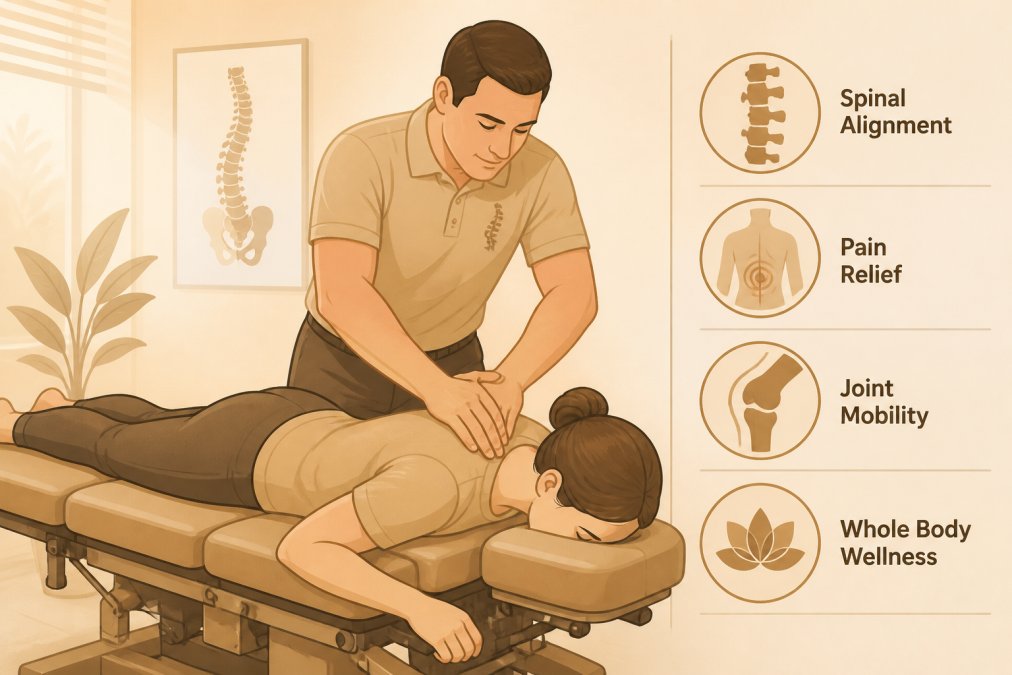
At Holistic & Wellness Medicine, we recognize that root cause healing requires addressing multiple factors simultaneously. Consider your recovery timeline. If you need immediate relief to return to work or activities, chiropractic care may be your priority. If you’re willing to invest 8-12 weeks in building lasting strength and movement quality, physical therapy offers superior long-term outcomes.
Chiropractic care: Acute pain requiring rapid relief, restricted spinal mobility, patients seeking non-exercise-based treatment
Physical therapy: Chronic pain, post-surgical rehabilitation, athletes wanting to prevent re-injury, patients willing to invest in exercise-based recovery
Making Your Decision: Evidence-Based Outcomes
Research from the National Institutes of Health indicates that spinal manipulation provides modest benefits for acute low back pain, comparable to other treatments like exercise or physical therapy. However, the evidence for chronic conditions beyond low back pain is weaker.
Physical therapy shows strong evidence for managing chronic pain, improving function after injury or surgery, and preventing recurrence. Multiple studies demonstrate that exercise-based physical therapy produces sustained improvements that persist after treatment ends.
The key insight: both treatments work for certain conditions in certain patients. Neither is universally superior. The question isn’t which is "better" in absolute terms, but which is better for your specific condition, your recovery goals, and your willingness to actively participate in treatment.
Consider your condition’s characteristics. Does your pain stem from restricted spinal mobility that adjustment could address? Or does it result from weak stabilizer muscles and poor movement patterns that exercise could correct? Your treatment choice should align with your values and recovery priorities.
The most evidence-based approach often involves both: chiropractic care for immediate symptom relief combined with physical therapy for lasting functional improvement. This integrated strategy addresses both the acute pain and the underlying dysfunction, creating sustainable recovery.
Choosing between chiropractic care and physical therapy doesn’t have to mean choosing between immediate relief and long-term recovery. At Holistic & Wellness Medicine, we combine multiple evidence-based approaches, including chiropractic adjustment, therapeutic exercise, massage therapy, and movement coaching, to address the root causes of your pain rather than just masking symptoms. Whether you’re recovering from acute injury, managing chronic pain, or seeking to prevent future problems, our integrated approach helps you restore balance and build lasting resilience. Start your wellness journey today by scheduling a consultation to determine the right treatment combination for your specific needs.
Frequently Asked Questions
Is it better to go to a chiropractor or physical therapist?
The best choice depends on your specific condition and treatment goals. Chiropractic care focuses on spinal alignment and nervous system function through manual adjustment. Physical therapy emphasizes therapeutic exercise, range of motion, and functional recovery through movement patterns and strengthening. For acute injuries with alignment issues, chiropractic care may provide immediate relief. For chronic pain requiring long-term rehabilitation and strength building, physical therapy often delivers better outcomes. Many patients benefit from both approaches as part of an integrated care plan addressing root causes rather than temporary symptom relief.
How do chiropractic care and physical therapy differ in treatment costs?
Costs vary based on your insurance coverage, treatment frequency, and local providers. Physical therapy typically involves 2-3 visits per week for 4-12 weeks, with insurance often covering a portion after meeting your deductible. Chiropractic care may require frequent visits initially, with costs depending on insurance plans that cover spinal adjustment and manual therapy. Both fields accept most major insurance plans, though coverage limits and copays differ. For accurate pricing information specific to your plan and location, contact providers directly or check with your insurance company about coverage for diagnostic assessment, treatment plans, and ongoing modalities.
What are the risks of chiropractic adjustment?
Chiropractic adjustment is generally considered safe for most people when performed by a licensed practitioner. Temporary side effects like mild soreness or stiffness may occur after spinal manipulation. Rare but serious risks include nerve damage or stroke, though these are extremely uncommon. Certain conditions, such as osteoporosis, spinal cord compression, or inflammatory arthritis, may require modified techniques or alternative approaches. Individuals with specific health concerns should discuss their medical history with a chiropractor before treatment. A qualified practitioner will perform a thorough diagnostic assessment and explain potential risks versus benefits for your individual situation.
Can physical therapy and chiropractic care be used together?
Yes, integrating both approaches can enhance outcomes for many conditions. Physical therapy builds strength and improves movement patterns through therapeutic exercise and neuromuscular re-education, while chiropractic care addresses alignment and joint mobility through manual therapy. Together, they target different aspects of recovery, addressing both structural issues and functional capacity. An integrated approach works best when providers communicate about your treatment plan and goals. This combined strategy supports long-term recovery and helps prevent re-injury by addressing root causes rather than providing temporary relief. Discuss with both practitioners how they can coordinate your care for optimal results.
How long does it take to see results from chiropractic care versus physical therapy?
Chiropractic adjustment often provides immediate or short-term relief, with some patients feeling better after the first visit. However, long-term improvement typically requires ongoing treatment as the body adjusts. Physical therapy results develop more gradually, usually over 4-12 weeks of consistent therapeutic exercise and rehabilitation. The timeline depends on your condition severity, treatment compliance, and whether you're recovering from acute injury or managing chronic pain. Physical therapy for post-surgical recovery may take longer but often produces more durable, long-term functional improvements. Both approaches benefit from patient education and active participation in your treatment plan to achieve lasting results.
This article was written using GrandRanker


5 Natural Remedies for Anxiety and Stress at Home
Discover 5 natural remedies for anxiety and stress at home, from breathing exercises to herbal supplements. Learn how functional medicine can help. Start.

How to Improve Posture to Reduce Pain: A 2026 Guide
Learn how to improve posture to reduce pain with exercises, stretches, and ergonomic tips. Discover a holistic approach to lasting relief. Start today.

How to Treat Adrenal Fatigue Without Medication
Learn how to treat adrenal fatigue without medication using diet, stress management, and natural supplements. Discover practical steps to restore.